Bundeswehr Ban Raises Financial Risks for Chinese Drone and EV Makers
Germany’s military will replace Chinese drones and restrict Chinese vehicles at defense sites amid concerns over data security and espionage.
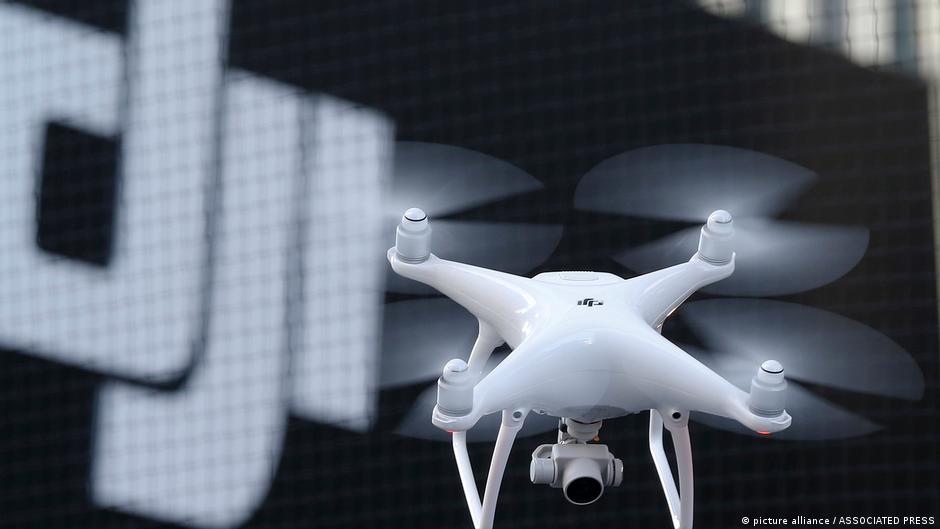
Germany’s Bundeswehr has prohibited the use of Chinese-made drones at barracks and military training grounds, creating potential procurement and reputational consequences for Chinese technology suppliers while opening replacement opportunities for German and European manufacturers.
A representative of Germany’s Defense Ministry told Der Spiegel that the armed forces had ordered an immediate halt to the operation of all small Chinese unmanned aerial vehicles at garrisons and training areas. The directive applies to equipment already purchased, including drones produced by DJI.
Existing Chinese systems are to be replaced with products manufactured in Germany or elsewhere in Europe. No figures were disclosed for the number or value of drones affected, the cost of replacement equipment, or the timetable for completing the transition.
Existing Chinese-made drone systems will be withdrawn from use and replaced by German or European products.
The lack of financial detail makes the direct budgetary impact on the Bundeswehr difficult to assess. Nevertheless, replacing previously acquired equipment may require additional procurement spending, while European suppliers could gain access to contracts previously served by Chinese manufacturers.
Vehicle Restrictions Add Reputational Risk
The German military has also barred vehicles made by BYD, Geely and other Chinese brands from entering garrisons and other military facilities. Service personnel who own such vehicles must leave them outside protected areas and walk to their workplaces.
The measure does not represent a wider prohibition on Chinese vehicles in Germany, nor does it directly affect civilian registrations or sales. From an investor-relations perspective, however, the decision adds another security-related risk factor for Chinese automakers seeking to expand in Europe, particularly as connected vehicles become increasingly dependent on cameras, microphones, sensors and networked software.
German authorities are analyzing whether connected electric vehicles from China could serve as channels for espionage. Experts cited by Der Spiegel in late August said such vehicles could collect large volumes of information about their surroundings and movements through onboard cameras, microphones and sensors.
The Bundeswehr’s concern is that sensors and cameras installed in Chinese-made equipment could gather classified information and transmit it to Chinese security authorities. Drones could potentially expose details of military exercises, images of barracks and training grounds, or information about German weapons systems.
For listed Chinese manufacturers, the immediate financial effect of restrictions limited to military property may be modest relative to their broader operations. The more significant balance-sheet and earnings risk would arise if comparable security rules spread to other government bodies, critical infrastructure operators or corporate fleets. Such a development could increase compliance costs, complicate market access and weaken sales growth in strategically important European markets.
British Drone Case Intensifies Supply-Chain Scrutiny
The German decision follows a reported security incident involving the British Royal Navy. On August 9, The Telegraph reported that K3 Scout maritime reconnaissance drones fitted with Chinese-made components had secretly transmitted information to China.
The drones, valued at £12 million, were supplied by British company Kraken Technology Group. Their integrated cameras were produced by a subcontractor that had guaranteed the components’ security. A source in the British Defense Ministry said London had proposed deploying the K3 maritime drones to help ensure freedom of navigation in the Strait of Hormuz.
The case highlights financial and operational exposure extending beyond original equipment manufacturers. Defense contractors may face greater scrutiny of subcontractors, component provenance and data architecture, potentially raising due-diligence, testing and certification expenses. Suppliers could also encounter contract risk if security assurances prove insufficient after delivery.
For government buyers, restrictions introduced after equipment has already been purchased can create write-down or replacement risk, although the Bundeswehr has not disclosed whether the affected Chinese drones will be written off, returned or reassigned. The order to source German or European replacements may also influence future tender requirements and procurement budgets.
EV Growth Meets Security Concerns
The restrictions arrive as demand for electric vehicles in Germany is expanding rapidly. Driven by the energy crisis and a government subsidy program favorable to motorists, German demand for electric cars increased 80% over one year. Chinese manufacturers recorded the strongest sales growth during that period.
That commercial momentum makes the security debate financially relevant. Chinese automakers have benefited from rising demand, but concern over connected-vehicle data could become a material issue for European expansion strategies. Investors will be watching whether Germany’s risk analysis leads to broader rules affecting public-sector access, data storage or connected features.
For German and European drone producers, the Bundeswehr’s replacement program provides a potential revenue opportunity, though its scale remains unknown. For Chinese drone and electric-vehicle groups, the decision underscores how cybersecurity and national-security assessments can affect procurement access, brand perception and future earnings expectations even before broader market restrictions are introduced.



