Cyberattack Group Linked to Russia Claims Data Theft from Nearly 50 Major Companies
Cl0p hacker group reports breaching global corporations including Philips, Shell, Fiserv, and General Electric.
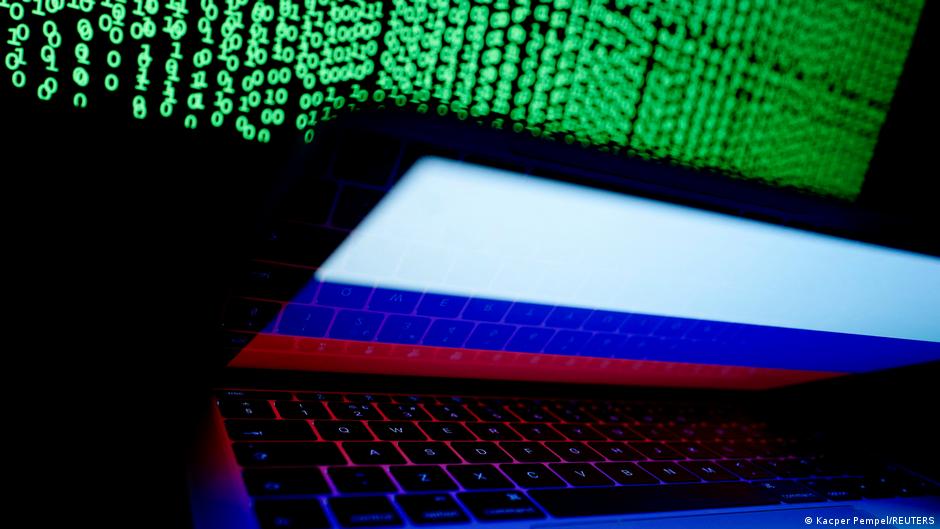
The hacker collective known as Cl0p, which media outlets associate with Russia, has announced the theft of large volumes of data from nearly 50 multinational companies. Targeted firms include Philips, Shell, Fiserv, and General Electric, according to reports published on August 14.
Impact on Corporate Security and Financial Operations
Cl0p exploits software vulnerabilities to conduct simultaneous attacks on multiple targets, raising concerns about cybersecurity resilience in major global corporations. While the group claims extensive data breaches, the affected companies have provided measured responses underscoring ongoing investigations and containment efforts.
Philips confirmed they detected and contained a cyber threat attempt targeting a specific corporate server related to internal data but emphasized that client environments remained unaffected. Similarly, Fiserv stated that despite being aware of Cl0p's claims, their thorough analysis found no evidence of compromise regarding client data, banking accounts, transactions, or operational fintech infrastructure.
General Electric and Shell have also acknowledged the situation with cautious statements but have not disclosed further details. Reuters was unable to independently verify the nature or scope of the stolen data, and Cl0p has not responded to requests for comment.
"The incident emphasizes the imperative for corporations to strengthen cybersecurity measures and continually assess vulnerabilities within their IT infrastructures," said a cybersecurity analyst.
Broader Geopolitical and Security Context
Reports from various news agencies, including Politico, suggest that Cl0p is a Russian-speaking group with probable Kremlin ties. The attribution aligns with a pattern of cyberattacks linked to Russia that have targeted government agencies, critical infrastructure, and private sector entities worldwide.
In recent months, Russian-affiliated hacker groups have made headlines for significant cyber intrusions. In March, Dutch intelligence agencies reported that Russian cybercriminals attempted intrusions into Signal and WhatsApp messenger platforms, potentially accessing sensitive information from government officials, military personnel, and journalists.
In April, German and U.S. intelligence warned of router hacks in government institutions across multiple countries by Fancy Bear, a group associated with Russian military intelligence. Furthermore, in July, The Telegraph reported Russian hackers compromising email accounts of UK government workers and critical infrastructure personnel, with stolen data subsequently sold on dark web marketplaces.
In response to escalating cyber threats, the European Union and United Kingdom imposed sanctions in July against Russian Federal Security Service (FSB)-linked hacking entities.
Financial Implications for Investors and Stakeholders
While the immediate operational impact on the targeted companies appears limited based on available statements, the potential financial risks associated with data breaches, including regulatory fines, reputational damage, and increased cybersecurity spending, remain significant. Investors should closely monitor forthcoming disclosures as companies complete their investigations and assess any material impacts on earnings and balance sheets.
Continuous vigilance and transparency in cybersecurity practices will be critical for maintaining stakeholder confidence amid evolving cyber threats.