Drone Alert at UK Air Base Highlights Rising Security and Cost Risks
The incident at RAF Lakenheath caused no reported damage but underscores the financial exposure surrounding critical military assets.
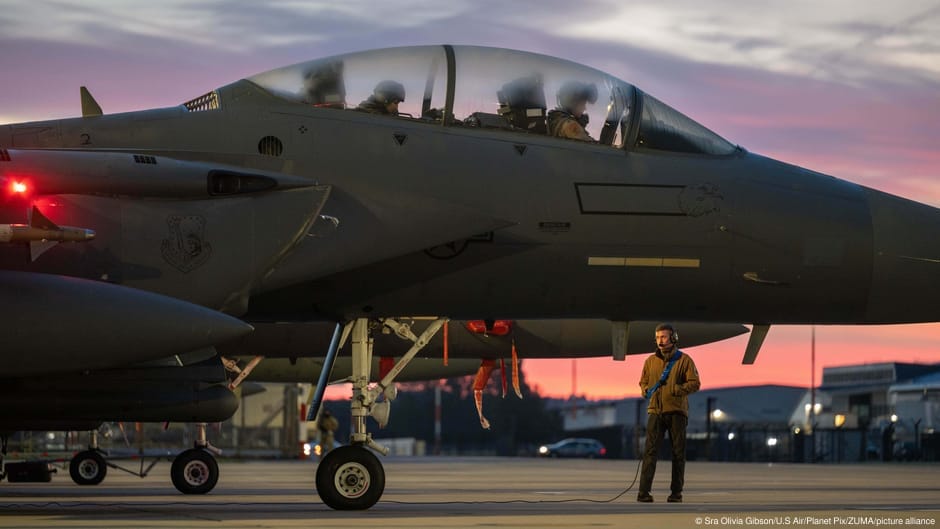
The US Air Force reported suspected unauthorized drone activity at RAF Lakenheath in eastern England on Friday evening, November 13, prompting personnel at the base to shelter in place. The facility belongs to Britain’s Royal Air Force and hosts US military personnel and aircraft.
No personnel, aircraft or infrastructure were harmed, according to a US Air Force statement. That limited the immediate financial impact of the incident: there was no disclosed damage to equipment, no reported interruption requiring major repairs and no indication of casualties that could generate additional operational or compensation costs.
For government budget officials and defense-sector investors, however, the alert highlights a broader financial issue. Even incidents that cause no physical damage can raise spending requirements for air-base security, counter-drone systems, surveillance, emergency readiness and coordination between allied forces. The source material provided no estimate of the cost of the response or any prospective security upgrades.
“Neither personnel, aircraft nor infrastructure were harmed,” the US Air Force said.
US military representatives said they continued to work closely with British partners to protect their service members and nearby residents. Sky News, which reviewed a copy of the warning distributed to personnel, reported that troops were instructed to shelter in place when the drones appeared.
Operational alerts add to scrutiny of strategic assets
Residents of a neighboring village heard sounds resembling a siren, according to the BBC. People living near RAF Feltwell, approximately 11 kilometers from Lakenheath, also reported an alarm on the evening of November 13, The Daily Mail reported.
The episode comes amid heightened attention to the disposition and protection of US military assets in Britain. On November 9, the United States withdrew its military tanker aircraft from RAF Mildenhall in eastern England. The following day, a senior US military officer was detained in Britain on suspicion of spying for Russia. Local police said the detention was not connected with other counterterrorism investigations.
The Wall Street Journal reported that the United States relocated the aircraft because of a threat from Iran. It pointed to the US Air Force’s withdrawal of B-1 bombers from another English installation, RAF Fairford, in early October as indirect supporting evidence. Those aircraft had been used in strikes against Iran.
Movements involving tankers and bombers matter financially because they affect logistics, maintenance schedules, fuel requirements and the utilization of military facilities. They can also influence procurement and contracting priorities for aerospace, security and infrastructure suppliers. No financial figures, contract changes or revised defense allocations were disclosed in connection with the aircraft transfers or the latest drone alert.
Security costs remain difficult to quantify
In late September, three white vans were discovered on the grounds of RAF Fairford, after which police temporarily detained five suspects. British Prime Minister Andy Burnham said there were “strong indications” that Iran had played a role in those events. Tehran called the allegations unfounded.
Taken together, the incidents point to a risk environment in which military operators may face pressure to devote more resources to perimeter controls, drone detection and rapid-response procedures. Such measures can create recurring operating expenses as well as capital spending on sensors, communications systems and protective infrastructure. They may also affect the financial planning of contractors serving US and British defense installations.
From an investor-relations perspective, the principal near-term fact is that the Lakenheath event produced no reported loss of personnel, aircraft or infrastructure. There is therefore no disclosed impairment, repair bill or equipment replacement requirement arising directly from the alert. The longer-term implications depend on whether the suspected drone activity leads to formal investigations, additional deployments or new security procurement.
Neither the US nor British authorities disclosed the number or type of drones involved, the duration of the activity or any projected cost. Without those details, the event cannot yet be translated into a measurable effect on defense budgets, contractor revenue or government balance sheets. Nevertheless, repeated alerts around strategically important bases could strengthen the case for additional counter-drone investment and raise the cost of maintaining military readiness in Britain.



