Drone Attack on Belgorod Causes Damage to Residential Buildings and Injures 13
A drone strike targeted Belgorod near the Ukraine border, damaging multiple properties and injuring 13 people, impacting local infrastructure and raising security concerns.
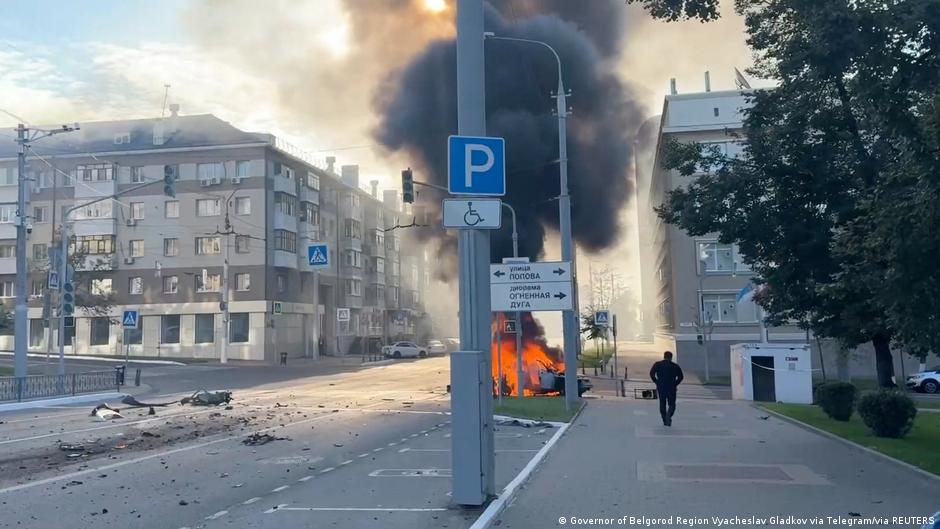
In the early hours of Sunday, August 9, the Russian border city of Belgorod was struck by a series of drone attacks resulting in significant damage to residential and administrative buildings and leaving 13 people wounded, including two children. The regional acting governor, Alexander Shuvaev, reported the incident around 2:00 a.m. Moscow time, confirming casualties and damage to critical local infrastructure.
Impact on Local Infrastructure and Housing
According to preliminary assessments, over four multi-story apartment buildings sustained damage, alongside administrative, social, and commercial facilities. Notably, an office of the Russian Federal Security Service (FSB) in the Belgorod region is reported to be located between three of the affected residential buildings, highlighting the strategic nature of the targets.
In addition, one of the damaged apartment buildings lies approximately 600 meters from the Belgorod Thermal Power Plant (TPP), with visible damage to the upper two floors. This proximity raises concerns about potential disruptions to local energy supply and services.
"The attack caused damage not only to residential areas but also to critical infrastructure, indicating a coordinated strike on multiple fronts," analysts noted.
Eyewitness accounts describe a swarm of dozens of attack drones operating over Belgorod during the incident, accompanied by video footage showing fires, drone flights over the city, explosions, and thick smoke rising above the urban area.
Financial and Security Implications
While official statements from the Ukrainian General Staff and the Russian Ministry of Defense were not available at the time of this report, open-source intelligence (OSINT) investigations suggest the attack may have targeted the power plant and FSB department to disrupt regional stability and energy infrastructure.
From a financial perspective, the damage to multiple residential buildings and commercial properties could have immediate and longer-term impacts on local property values, insurance liabilities, and municipal budgets allocated for repairs and emergency services. The harm to the thermal power plant also risks affecting regional energy production, potentially increasing operational costs and necessitating unplanned capital expenditures.
Investor confidence in regional real estate and infrastructure sectors may be affected, with heightened risks prompting a reassessment of asset security and resilience planning. Furthermore, the injuries and disruptions compound human and economic costs that require coordinated emergency response and resource allocation.
Authorities are continuing to assess the full extent of the damage and update information as it becomes available.