Drone Attack Puts Surgutneftegas Refinery Capacity in Focus
The Kirishi facility accounts for about 7% of Russian oil refining, raising renewed questions about operational and supply risks.
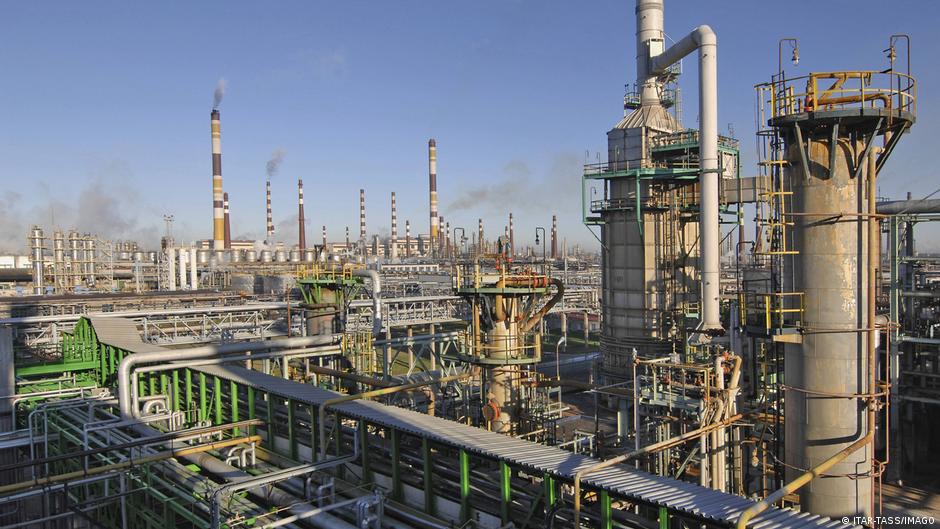
Ukrainian drones attacked the Kirishi oil refinery in Russia’s Leningrad region overnight on Monday, November 9, according to the Russian publication Astra and Ukrainian monitoring channels on Telegram, which cited eyewitness accounts. The facility, known as KINEF, belongs to the Surgutneftegas group and has previously been targeted by Ukrainian forces.
The incident puts renewed attention on a strategically important operating asset for Surgutneftegas and on the resilience of Russia’s broader refining system. KINEF has recently processed about 18 million metric tons of crude oil annually, representing roughly 7% of the country’s total refining volume. Any prolonged interruption could therefore affect the group’s operating performance, regional fuel availability and Russia’s aggregate refinery utilization.
Leningrad region Governor Alexander Drozdenko confirmed that a drone had struck an industrial zone in Kirishi, although he did not identify the enterprise involved. He claimed that Russian air defenses had shot down 113 drones over the region during the night. Videos published on social media showed a fire on the refinery’s territory.
Astra reported that Kirishi residents heard air-defense activity and powerful explosions near the KINEF complex. Residents also reported the evacuation of an apartment building. Ukraine had not officially commented on the reported strike.
Material Asset for Surgutneftegas
KINEF is located in Kirishi, approximately 100 kilometers southeast of St. Petersburg, and is one of Russia’s largest oil refineries. Its scale makes the plant financially significant even though no estimate of damage, repair costs or lost output was immediately available.
The refinery has a stated design capacity of between 20 million and 21 million metric tons of crude per year. Its recent annual throughput of about 18 million tons implies that the plant has been operating below nameplate capacity, but still at a level large enough to influence group production economics and national refining metrics.
With about 7% of Russian refining volume passing through KINEF in recent years, the financial impact will depend chiefly on the duration and scope of any operational disruption.
For investors assessing Surgutneftegas, the main near-term variables include whether processing units were damaged, how much capacity remains available and whether crude runs or refined-product shipments must be reduced. The source reports did not provide information about casualties, the condition of specific processing equipment or whether operations had been suspended after the latest incident.
The plant plays an important role in supplying fuel to northwestern Russia. It also provides aviation kerosene to St. Petersburg’s Pulkovo Airport, adding a regional supply consideration beyond the refinery’s contribution to consolidated processing volumes. Disruption could require alternative sourcing or changes to logistics, although no such measures were reported.
Repeated Strikes Increase Operational Risk
The latest reported attack follows several previous drone strikes on the Kirishi refinery. After an attack in late August 2026 damaged two primary refining units, the enterprise completely halted crude processing. That earlier shutdown demonstrates how damage to a limited number of critical installations can affect the full production chain.
Repeated incidents may increase maintenance requirements, repair spending and business-interruption risk. They could also complicate production planning and refined-product deliveries. However, without a company statement or a detailed damage assessment, the effect of the November 9 attack on Surgutneftegas earnings, cash flow or capital expenditure cannot yet be quantified.
The refinery and its parent group also operate under heightened sanctions pressure. In 2025, the United States, United Kingdom and European Union imposed sanctions on Surgutneftegas, while KINEF was also named in sanctions documentation. These restrictions form part of the financial and operational context surrounding the asset, including potential constraints on transactions, equipment procurement and dealings with foreign counterparties.
For the Russian refining sector, KINEF’s size makes the status of its units an important indicator to monitor. A brief, contained fire would have different financial implications from damage requiring another extended shutdown. Confirmation of throughput levels, product shipments and the repair timetable would provide the clearest basis for evaluating the effect on Surgutneftegas and regional fuel balances.
Until those details emerge, the key disclosed metrics remain the facility’s 20 million-to-21 million-ton annual design capacity, its recent processing volume of about 18 million tons and its approximately 7% share of Russian refining. Together, those figures explain why each reported strike on KINEF carries significance for operating results, asset utilization and investor risk assessments.



