Drone Attack Raises Operational Risk for Russian Oil Infrastructure
A major fire near fuel assets in Novoshakhtinsk and reports of a strike in Tatarstan put renewed focus on energy-sector disruption risks.
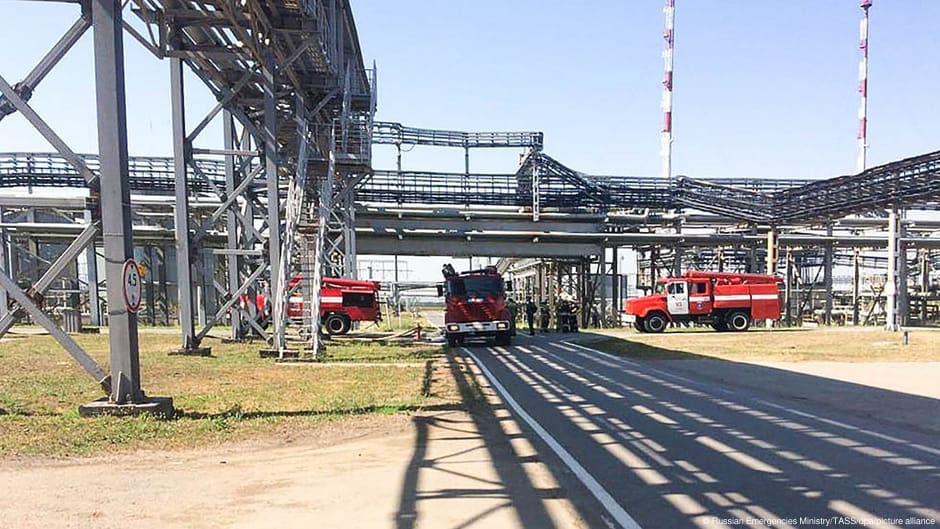
A major fire broke out near oil-industry assets in Novoshakhtinsk, in Russia’s Rostov region, after the area came under attack by Ukrainian drones for several hours overnight into Monday, Nov. 23, according to an open-source analysis by the Russian outlet Astra.
The reported incident places renewed attention on the operating and financial risks facing Russia’s energy infrastructure, including potential interruptions to refining, fuel storage and logistics. No estimate of damage, production losses or repair costs was available at the time of publication, and the available information did not establish whether the facilities themselves had sustained direct hits.
Astra said it analyzed videos recorded by local residents and geolocated the fire to an area near the Novoshakhtinsk Petroleum Products Plant, known by its Russian abbreviation NZNP, and TATA-GAZ LLC. TATA-GAZ is described as a company involved in fuel sales, storage and logistics.
Potential exposure for refining and fuel logistics
The Novoshakhtinsk plant is an oil-refining enterprise connected to the Sukhodolnaya–Rodionovskaya pipeline. Any confirmed damage to processing equipment, storage capacity or pipeline-linked infrastructure could affect facility utilization, product deliveries and maintenance spending. However, neither the extent of the fire nor its effect on operations was confirmed in the source material.
For investors and counterparties assessing the event, the principal near-term questions include whether processing units were shut down, whether inventories or transport links were affected, and whether the incident will require material capital expenditure. The source provided no financial statements, production volumes, insurance information or company guidance that would allow the potential balance-sheet impact to be quantified.
The attack also highlights broader exposure across the fuel supply chain. Refining plants depend on uninterrupted crude deliveries, storage operations and outbound logistics. A disruption at any one of those points can reduce throughput or delay sales even when core processing equipment remains intact. TATA-GAZ’s reported activities in trading, storage and logistics make the location of the fire relevant to regional fuel distribution, although no interruption to the company’s business was reported.
At the time of publication, there were no verified figures for physical damage, lost output, repair costs or other financial effects.
Unconfirmed report involving the Druzhba network
A separate incident was reported in Almetyevsk, in Russia’s Tatarstan region. A drone alert was declared there at midnight on Nov. 23, Astra reported. A local resident told the outlet of a “powerful impact” and several hits on “Druzhba.”
Astra suggested that the account could refer to the Kaleykino oil pumping station, located in the village of the same name. The station is one of the facilities that supplies oil to the Druzhba pipeline. The source stressed that confirmation of this information was not available when the report was published.
Ukrainian monitoring channels Exilenova+ and Supernova+ posted video that they said showed a fire at the station. Those posts did not amount to independent confirmation of the location or the reported damage.
The Druzhba system’s role in transporting crude makes reports involving its pumping infrastructure financially significant even before the scale of any physical impact is known. Pumping-station outages can create operational constraints, affect delivery schedules and lead to additional repair or security expenditure. In this case, however, there was no confirmed information about halted flows, contractual effects, revenue losses or liabilities.
Repeated attacks increase risk considerations
The Kaleykino station has previously been targeted by Ukrainian drones. The facility caught fire following a drone strike in February 2026, and it was most recently reported as a target during the night of Nov. 19.
The recurrence of attacks may increase the importance of infrastructure resilience in financial and operational assessments of companies exposed to Russian refining and pipeline networks. Repeated incidents can raise costs associated with repairs, protective measures, insurance and contingency planning, while potentially increasing volatility in utilization rates and delivery performance.
Still, the immediate financial implications of the Nov. 23 events remain unclear. The source did not report any official damage assessment, changes to production or transportation volumes, revised corporate forecasts, or disclosures concerning liquidity and insurance coverage. Until operators or authorities provide verified operational data, conclusions about earnings, cash flow or balance-sheet effects would be premature.



