EU Bars Russia-Based Participants From Erasmus+ Funding Through 2027
The updated rules exclude Russia-based organizations and residents as lawmakers consider a €47.4 billion budget for the next cycle.
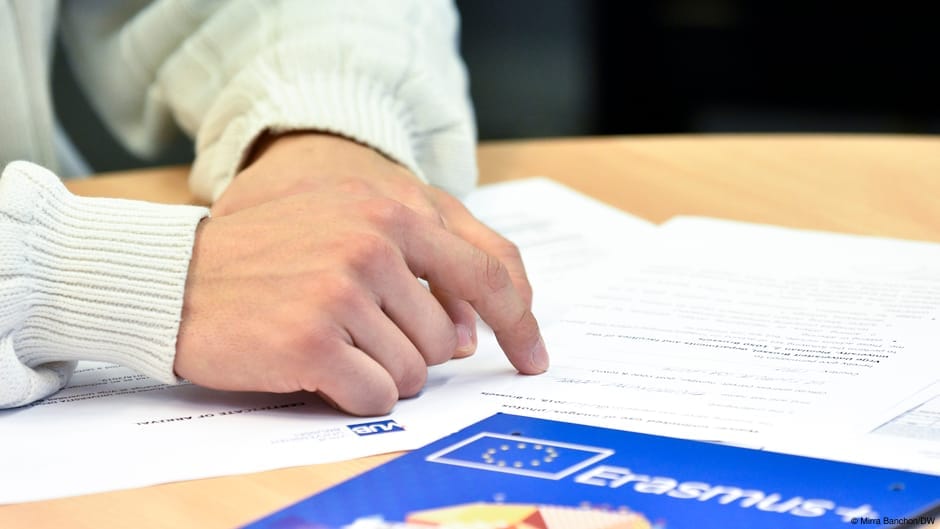
The European Union has closed Erasmus+ activities and scholarships to organizations based in Russia and individuals living in the country, tightening access to an education program whose next long-term budget remains under negotiation.
Under program guidance presented by the European Commission on Thursday, November 19, Russia-based organizations and individuals residing in Russia cannot participate “in any capacity” in “any activities” under Erasmus+ through the end of 2027.
The restriction is based on residence or organizational location rather than solely on nationality. People living in Russia are also no longer eligible for scholarships supporting Erasmus Mundus Joint Master programs at European universities, regardless of their citizenship.
Russia-based organizations and residents cannot participate “in any capacity” in Erasmus+ activities under the guidance covering the period through 2027.
The document does not specify whether the new restrictions apply to scholarships and projects whose funding was approved previously. That omission leaves uncertainty over the treatment of existing awards, contractual commitments and funds already allocated within the current budget period.
Existing Commitments Face Uncertainty
From a financial reporting perspective, the unresolved status of previously approved projects is a key issue. Erasmus+ funding arrangements can involve universities, research institutions, students and other program partners, creating commitments that may span more than one academic or financial year.
The guidance, as described, establishes that Russia-based entities and residents are excluded from participation through the end of 2027, but it does not provide details on whether earlier approvals will be honored, suspended or terminated. It also does not quantify the amount of funding potentially affected by the restrictions.
For participating European universities, the rules may require a review of scholarship pipelines and projects involving partners or beneficiaries in Russia. However, the available document does not state whether institutions will receive replacement funding, whether allocations can be redirected, or how any unused amounts would be accounted for within the program.
Erasmus has operated for more than 30 years. Between 2014 and 2021, approximately 13,200 students and researchers from Russia participated in the program. The source figures do not disclose the value of scholarships, grants or institutional funding associated with those participants.
Parliament Backs Larger Post-2027 Budget
The restrictions come as EU institutions prepare the financial framework for the next Erasmus+ cycle. On October 22, the European Parliament supported increasing the program’s budget to €47.4 billion for the period from 2028 through 2034.
The proposed amount is not yet final and must still be agreed with EU member states. As a result, the €47.4 billion figure represents Parliament’s supported budget level rather than an approved appropriation. Negotiations with national governments will determine the program’s final funding envelope and could affect the scale of grants, scholarships and institutional projects available in the next cycle.
The exclusion of Russia-based participants applies under guidance extending only through the end of 2027, while the proposed €47.4 billion budget covers the following seven-year period. The document does not indicate whether the same restrictions will continue after 2027, meaning eligibility rules for the next financial cycle remain separate from the current parliamentary budget proposal.
Restrictions Follow Earlier EU Funding Ban
The policy builds on restrictions introduced after Russia’s full-scale invasion of Ukraine in 2022. Following the invasion, the Council of the European Union prohibited financial and other support for Russian state organizations under programs financed by the EU budget.
The updated Erasmus+ guidance is broader in the categories described because it covers organizations based in Russia and individuals residing there, while the earlier measure cited Russian state organizations. It also specifically removes access to Erasmus Mundus Joint Master scholarships for Russia-based residents irrespective of nationality.
No financial impact estimate accompanies the reported changes. The guidance does not identify savings to the EU budget, potential write-offs related to existing commitments, or the value of funds that could be reassigned to participants from other countries.
Until the Commission or program administrators clarify the position of previously approved awards, universities and beneficiaries face uncertainty over outstanding Erasmus+ commitments connected to Russia. Separately, the proposed post-2027 expansion remains subject to negotiations between the European Parliament and member states before the program’s next budget can be finalized.



