Former German Foreign Minister Annalena Baerbock to Join Columbia University Faculty
Annalena Baerbock will assume a teaching role at Columbia University after concluding her term as UN General Assembly President.
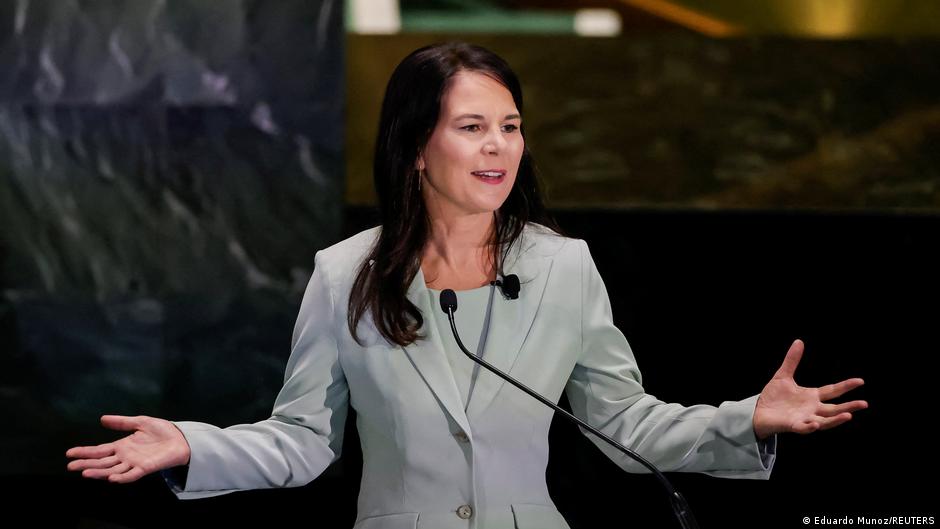
After completing her tenure as President of the United Nations General Assembly, former German Foreign Minister Annalena Baerbock is set to transition into academia by joining Columbia University in New York. This move marks a new chapter in Baerbock's career as she takes on a leadership role in educating future global leaders.
Academic Appointment and Role
Baerbock will serve as co-director of the Master of Public Administration in Global Leadership program housed within Columbia University's School of International and Public Affairs (SIPA). This position is designed to be practice-oriented rather than a traditional research professorship, focusing on hands-on leadership training and public policy education. Her collaboration with Columbia is expected to last three years, during which she will also engage as a guest lecturer and public speaker.
"I enjoy immersing myself in the diversity of New York City, which sometimes offers great relief," Baerbock remarked, reflecting on her time in the city during her UN role.
Her upcoming academic tenure follows the conclusion of her one-year mandate as UN General Assembly President, a role she has held since September 2023. Despite the possibility of re-election, UN regulations and regional rotation practices typically prevent consecutive terms in this position. Baerbock's term is set to end in early September 2024, when Bangladeshi diplomat and former foreign minister, Khalilur Rahman, will take over the presidency.
Career Context and Financial Implications
Baerbock’s shift from international diplomacy to academia aligns with a broader trend among former high-ranking politicians leveraging their expertise in educational institutions. Notably, Joschka Fischer, Baerbock’s predecessor and fellow Green Party member, transitioned from serving as Germany’s foreign minister and vice-chancellor to lecturing at Princeton University post-politics. Fischer supplemented his academic tenure with consulting roles in international energy infrastructure and industry, illustrating diverse post-political career revenue streams.
Baerbock’s new role at Columbia University likely provides a stable and prestigious platform for continued influence in global public affairs while offering financial benefits commensurate with senior academic leadership positions. The program she will co-direct focuses on developing skills critical to public administration and global leadership, areas that are increasingly sought after by investors and organizations looking to navigate complex geopolitical risks and opportunities.
This appointment underscores Columbia University’s commitment to integrating real-world diplomatic experience into its curriculum, potentially enhancing the institution’s appeal to prospective students and stakeholders interested in governance and international affairs.
Baerbock’s transition also reflects the growing interplay between political careers and academic institutions in shaping global policy discourse, with implications for both educational funding and the professional trajectories of high-profile political figures.