German, Austrian Businessmen Face Asset Freeze in Russia Auto Export Probe
Prosecutors say the suspected sanctions-busting vehicle trade generated about 7 million euros in proceeds now targeted by asset seizures.
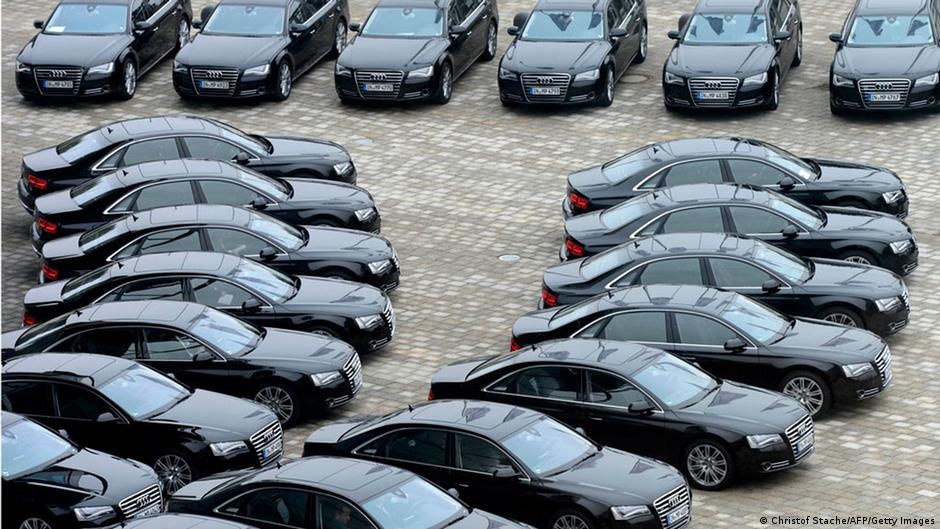
Authorities in Germany and Austria have searched properties linked to two businessmen suspected of exporting vehicles to Russia through third countries in breach of European Union sanctions, in a case that places financial proceeds, asset freezes and cross-border enforcement at the center of the investigation.
The public prosecutor’s office in Kaiserslautern said on Tuesday, September 29, that the suspects are believed to have sent 53 passenger cars and six truck tractors to Russia between autumn 2022 and the end of 2024. Investigators allege the shipments violated the EU sanctions regime and were routed through intermediary countries including Belarus, Kyrgyzstan and Georgia in an effort to conceal the final destination.
The financial scale of the case is significant for prosecutors. At their request, the Kaiserslautern district court authorized the seizure of assets worth approximately 7 million euros, described as the suspected proceeds from the illegal exports. The measure indicates that authorities are pursuing not only potential criminal liability but also the economic benefit allegedly derived from the transactions.
Asset seizures target alleged proceeds
The searches took place on September 8 at residential and commercial premises connected to the businessmen in Neustadt an der Weinstrasse, in the German state of Rhineland-Palatinate, and in Vienna. Law enforcement agencies from Germany, Austria and Belgium took part in the operation, underlining the financial and logistical complexity of the suspected trade.
During the German searches, authorities seized two vehicles, a Porsche and a Mercedes-Benz. In Austria, investigators confiscated 85,000 euros in cash. A further 278,000 euros was frozen in bank accounts in Germany, Austria and Belgium. The asset measures form part of the wider 7 million euro freeze authorized by the court.
Prosecutors say the 7 million euro asset arrest corresponds to the suspected income from the illegal export activity.
The investigation also produced a separate line of inquiry. At the Neustadt property, authorities found three hunting rifles and ammunition. Prosecutors have opened an additional investigation into a possible violation of weapons law against the businessman connected to that location.
According to the prosecutor’s office, both suspects have so far exercised their right to remain silent. The investigation remains ongoing, and the current measures do not amount to a final determination of guilt.
Sanctions risk reaches balance sheets
For companies and dealers operating in the automotive trade, the case highlights the balance-sheet consequences of sanctions exposure. The alleged exports were not described merely as a customs or compliance matter; prosecutors are seeking to recover what they regard as illicit proceeds. That approach can affect cash positions, vehicle inventories, bank accounts and other assets even before a case reaches judgment.
The suspected routing through Belarus, Kyrgyzstan and Georgia also reflects a broader enforcement concern for European authorities: whether intermediaries and third-country transactions are being used to obscure Russian end users. For businesses, such patterns raise due diligence risks around customer screening, end-use declarations, payment flows and documentation supporting export transactions.
The case follows earlier German prosecutions involving luxury car exports to Russia. In March, a court in Würzburg sentenced a Bavarian car dealer to six years in prison for supplying 111 luxury vehicles to Russia in violation of sanctions. According to investigators in that case, the vehicles reached employees of the FSB, the Federal Protective Service, Rosneft and the Russian presidential administration.
In July 2025, an employee of a car dealership in Hesse received a five-year prison sentence for selling 71 luxury vehicles to Russia, also in circumvention of sanctions. Those cases demonstrate that German authorities are treating sanctions-related vehicle exports as serious financial crime with substantial custodial and asset-recovery consequences.
Broader enforcement pressure on dealers
The latest searches add to a growing portfolio of German investigations into high-value vehicle flows to Russia. In May 2025, it was reported that German prosecutors were investigating more than 40 cases involving supplies of expensive cars to Russia. Media reports described a campaign by German justice authorities against dishonest car dealers, while experts cautioned that only a small share of shadow deliveries was being stopped.
The economic incentive remains clear: luxury and premium vehicles retain demand in Russia despite restrictions, and the value of individual transactions can be high. That makes the sector attractive for sanctions circumvention but also increasingly visible to investigators following bank transfers, customs declarations and inventory movements.
In February, Reuters reported that tens of thousands of vehicles, including German luxury cars, were being exported to Russia in circumvention of sanctions through China. Some of those cars are produced by foreign companies inside China, while others are imported into China from abroad. New vehicles are reportedly documented as used cars, a method that allows sellers to avoid obtaining manufacturer approval for sales to Russia.
For investors and corporate finance teams, the pattern carries broader implications beyond individual dealerships. Sanctions enforcement can trigger asset freezes, cash seizures, account blocks and criminal investigations across multiple jurisdictions. It can also create reputational liabilities for companies whose products enter restricted markets through unauthorized resale channels.
The current investigation in Germany and Austria remains unresolved, but the financial contours are already clear: prosecutors believe the alleged Russia-bound vehicle exports generated around 7 million euros in proceeds, and they are moving to secure assets equivalent to that amount while the case continues.



