Germany Plans Additional €100 Million for Ukraine Infrastructure
The proposed off-budget assistance would finance energy equipment, repairs and winter preparations at roughly 2,000 educational facilities.
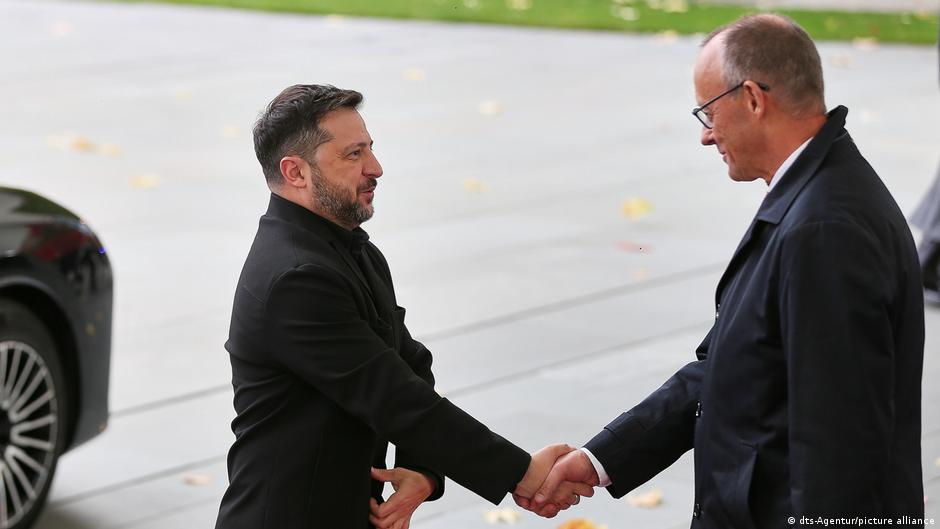
Germany’s federal government plans to provide Ukraine with an additional €100 million in financial assistance to reinforce critical infrastructure before winter, according to a Finance Ministry letter sent to the Bundestag’s budget committee.
The proposed expenditure represents an unplanned addition to Berlin’s support for Ukraine. The Finance Ministry justified the request by citing a worsening humanitarian situation and intensified attacks on infrastructure essential to the country’s energy supply, water services and transport network.
According to the letter, Russian attacks on Ukraine’s energy, water and transport infrastructure have increased to an “unprecedented level” since July 2026. It also said that Ukraine, approaching the fifth year of the war, had lost as much as 80% of its electricity-generation capacity.
Russian attacks on energy, water and transport infrastructure have “increased to an unprecedented level” since July 2026, the German Finance Ministry said.
The funding request places the condition of Ukraine’s infrastructure directly before German lawmakers responsible for budget oversight. Because the €100 million was not part of the previously planned expenditure, the proposal requires consideration as an additional fiscal commitment rather than a routine disbursement within an existing allocation.
Funding Focuses on Power Resilience and Repairs
The proposed package would be used in part to purchase generators and battery energy-storage systems. These assets are intended to provide alternative or reserve power where electricity-generation and distribution infrastructure has been damaged or is unable to meet demand.
Funds would also support repairs to damaged infrastructure. The Finance Ministry’s letter did not provide a breakdown showing how much of the €100 million would be assigned to generators, storage systems, repair work or other winterization measures. It also did not specify a procurement timetable, the number of units to be acquired or the organizations that would manage purchases and implementation.
Another portion of the financing would be directed toward preparing approximately 2,000 schools and kindergartens for winter. The measure links infrastructure spending with the continued operation of public services, particularly facilities serving children during periods of potential disruption to heating and electricity.
For financial reporting purposes, the package is notable both for its size and its classification as an unplanned expense. The letter to the budget committee provides the formal rationale for adding the expenditure, connecting the requested amount to the reported deterioration in Ukraine’s infrastructure and the resulting humanitarian pressures.
Budget Oversight Moves Into Focus
The budget committee’s involvement places the proposed support within Germany’s parliamentary process for reviewing federal spending. The source material does not state when the committee will consider the request, whether further authorization is required or which federal budget line would finance the additional €100 million.
No details were provided on whether the assistance would take the form of grants, direct procurement or transfers through implementing partners. The letter also did not identify any repayment terms, suggesting that the immediate focus of the request is expenditure approval and infrastructure support rather than a conventional lending arrangement. However, the precise financial structure was not disclosed.
The absence of a detailed allocation means that the headline amount remains the principal disclosed financial metric. Further reporting would be needed to assess disbursement timing, procurement costs, implementation milestones and the division of spending among energy equipment, physical repairs and educational facilities.
The reported loss of up to 80% of Ukraine’s electricity-generation capacity provides the central operational context for the request. Such a reduction increases the importance of distributed backup equipment, including generators and battery systems, particularly ahead of winter when demand for power and heating rises.
At the same time, the proposal extends beyond energy generation alone. The ministry cited attacks affecting water and transport infrastructure, while the planned spending includes repairs to damaged facilities. The package therefore combines emergency energy resilience with broader infrastructure restoration and winter preparedness.
Berlin’s proposed €100 million allocation would add to Germany’s financial support for Ukraine at a time when damage to essential systems is increasing pressure on public services. The immediate budget decision centers on whether to authorize the extra expenditure, while subsequent disclosures would be required to evaluate how efficiently the funds are deployed and what infrastructure capacity they restore.



