Huawei Convicted in US Trade Secrets Case, Raising Financial Risks
The telecom group was found guilty on 10 of 12 criminal counts, exposing it to financial penalties and further pressure on global operations.
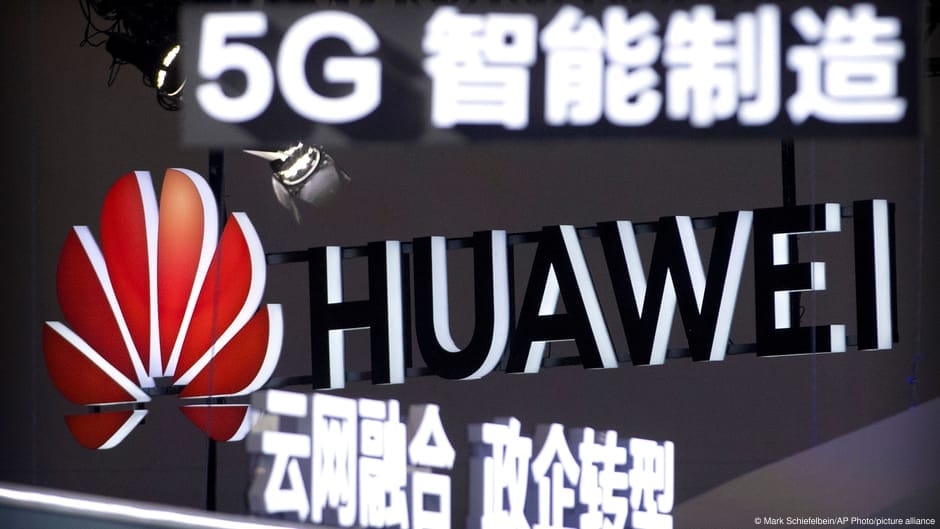
A federal district court in Brooklyn has found Huawei guilty on 10 of 12 criminal counts, including bank fraud, conspiracy to steal trade secrets and conspiracy to defraud the United States. The verdict creates a new financial and reputational risk for the Chinese telecommunications group, even though its direct commercial exposure to the US market has been limited since 2019.
The court found that Huawei stole commercial secrets and circumvented US sanctions against Iran. The 11-week trial was followed by a week of jury deliberations. Huawei was acquitted on two counts, including conspiracy to conduct criminal activity and conspiracy to obstruct justice.
The acquittal on the criminal-enterprise allegation rejected a central US Department of Justice claim that Huawei had operated as a criminal organization. Nevertheless, the convictions on the remaining charges could produce a substantial financial penalty and complicate the company’s relationships with customers, banks, suppliers and governments.
Potential Costs Extend Beyond Any Court-Imposed Penalty
Huawei has effectively been barred from selling its products in the United States since 2019, potentially limiting the verdict’s immediate effect on revenue from that market. However, a severe financial punishment and the reputational damage attached to a criminal conviction could still weigh on its broader business.
For investors, lenders and counterparties assessing the group, the principal questions now concern the size and timing of any penalty, the potential cost of an appeal and whether the verdict creates additional compliance liabilities. It may also increase scrutiny of Huawei’s disclosures, sanctions controls and intellectual-property practices.
A Huawei lawyer said the company would challenge the decisions on the counts that resulted in convictions. In a statement issued overnight on November 25, Huawei described the verdict as “baseless” and said it would take the “necessary” legal steps. The prospect of an appeal means the final financial consequences may remain uncertain while litigation continues.
Prosecutors alleged that Huawei management encouraged employees to steal intellectual property from US and other companies. According to the case presented by the authorities, commercial secrets were taken from T-Mobile, Cisco and other businesses.
Information obtained from competitors apparently enabled Huawei to develop comparable products and subsequently sell them at lower prices.
That allegation goes directly to the economics of product development and pricing. If proprietary information reduced Huawei’s research, engineering or time-to-market costs, prosecutors’ case suggests that the company may have gained a competitive advantage that was not reflected in ordinary development spending. The verdict could therefore intensify questions about the sustainability of historical margins and the financial assumptions supporting Huawei’s product portfolio.
Regulatory Restrictions Add to the Business Outlook
Western intelligence agencies have also suspected that Huawei telecommunications equipment could be used for espionage on behalf of China. Huawei denies all such allegations. Those security concerns were separate from the criminal counts but have already influenced procurement and network policy in major markets.
Debate over the possible security risks associated with Huawei equipment has continued for years in the European Union and Germany. In the summer of 2024, Germany’s federal government reached an agreement with mobile network operators under which Huawei components may no longer be used in core networks and certain software used to manage radio access networks from the end of 2026.
Such restrictions may affect future equipment demand, replacement cycles and customer concentration. They can also create costs for telecom operators required to remove or substitute installed components, while reducing Huawei’s access to high-value network contracts. Supporters of Huawei have long argued that the campaign against the company is political and represents retaliation for China’s initiative to build 5G networks around the world.
Iran Sanctions Case Has a Long Financial History
The Iran-related charges also revive a case involving Huawei Chief Financial Officer Meng Wanzhou, the daughter of the founder of Huawei Technologies. Canadian authorities detained Meng in Vancouver on December 1, 2018, at the request of the United States, which suspected her of violating trade sanctions imposed by Washington on Tehran.
On December 11, 2018, a court in the Canadian province of British Columbia released Meng on bail of $7.5 million, equivalent at the time to €6.6 million. The judge imposed several conditions: Meng was required to wear an electronic monitoring bracelet continuously, surrender her passport, remain within Vancouver and stay at one of her two homes in the city between 11 p.m. and 6 a.m.
In September 2021, Meng was released and allowed to return to China after reaching an agreement with US authorities that had sought her extradition. According to The New York Times, she acknowledged at the time that Huawei had misled a bank about its dealings with Iran.
The Brooklyn verdict now shifts attention toward sentencing, potential appeals and the ultimate balance-sheet impact. With Huawei already constrained in the United States and facing scheduled network restrictions in Germany, the direct fine may be only one component of the financial exposure. Legal expenses, compliance investment, financing relationships and access to international contracts could prove equally important in determining the longer-term effect.



