Hundreds of Ukrainian Soldiers Deserted in Germany Since 2022, Raising Security Concerns
Over 80 Ukrainian servicemen deserted military training courses in Saxony-Anhalt alone amid Germany’s ongoing military support since 2022.
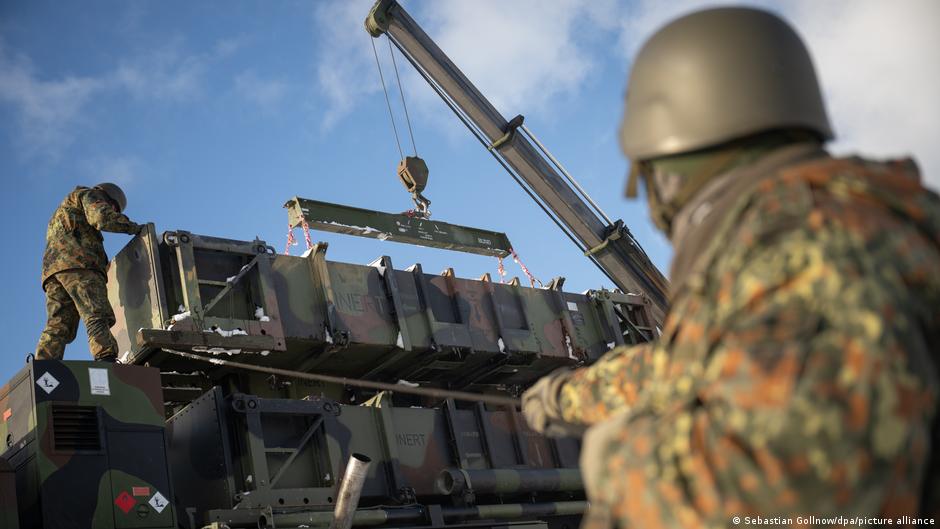
Since 2022, several hundred Ukrainian soldiers sent to Germany for military training have deserted their units, with over 80 cases recorded in the federal state of Saxony-Anhalt alone. These developments pose challenges to military cooperation and raise concerns regarding the effectiveness of ongoing training programs.
Desertion Rates and Legal Consequences
According to reports, Ukrainian soldiers undergoing combat training across Germany have increasingly abandoned their posts without authorization. In Saxony-Anhalt, more than 80 servicemen left their training courses at the Altengrabow training ground. Nationwide, German media sources estimate the number of deserters reaches several hundred since the start of the conflict in February 2022.
Ukrainian law classifies such soldiers as deserters, exposing them to severe legal penalties including imprisonment for up to 12 years upon return. Unlike Ukrainian civilians arriving in Germany as refugees, these military personnel are not protected under temporary protection regulations, complicating their legal status in Germany.
"Many of those sent to Germany for training were conscripted into the Ukrainian Armed Forces rather than volunteers," a German media report noted, highlighting a shift in the composition of trainees.
Training Evolution and Motivation Challenges
Since Russia’s full-scale invasion in February 2022, approximately 29,000 Ukrainian soldiers and officers have undergone combat training courses in Germany, which typically last several weeks. Initially, trainees were largely highly motivated and battle-experienced personnel. However, over time, the composition has shifted towards an increasing number of individuals with limited combat experience and less willingness to fight, according to observers.
The growing desertion trend may signal deeper issues with morale and readiness within the Ukrainian military contingent receiving foreign training. Ensuring that training investments translate into operational effectiveness remains a critical challenge for both Ukrainian and German authorities.
From a financial perspective, the desertion rates could impact the cost-efficiency of Germany’s military aid initiatives, which include funding and resource allocation for training thousands of Ukrainian soldiers. These developments necessitate ongoing evaluation of training program outcomes and considerations for strategic adjustments to maximize return on investment.