June 2026 Marks Highest Civilian Casualties in Ukraine Since Russia Invasion Began
UN data reveals June as deadliest month for Ukrainian civilians amid ongoing conflict with Russia.
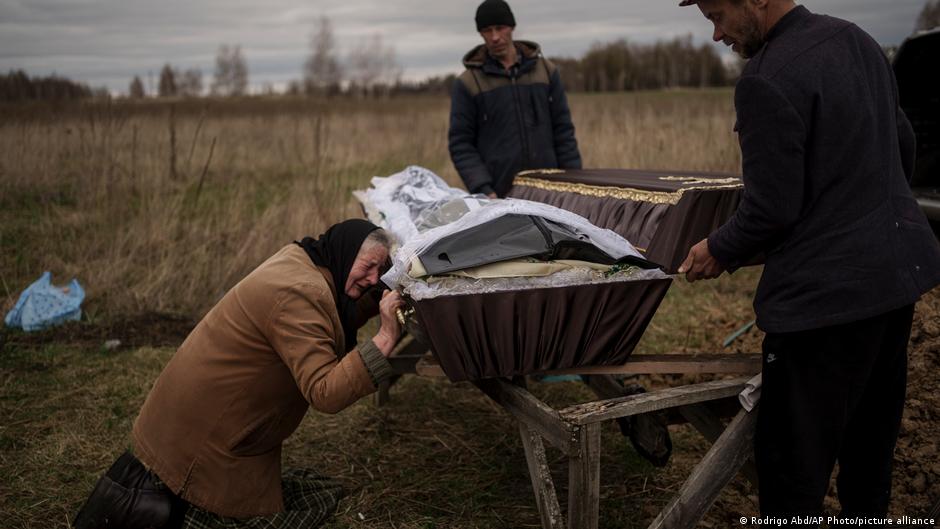
June 2026 recorded the highest number of civilian casualties in Ukraine since the full-scale Russian invasion began, continuing a three-month trend of escalating losses. According to data presented at the United Nations Security Council meeting on July 9, the rising toll among civilians reflects intensifying hostilities and significant human costs in the ongoing conflict.
Escalating Civilian Toll Amid Intensifying Conflict
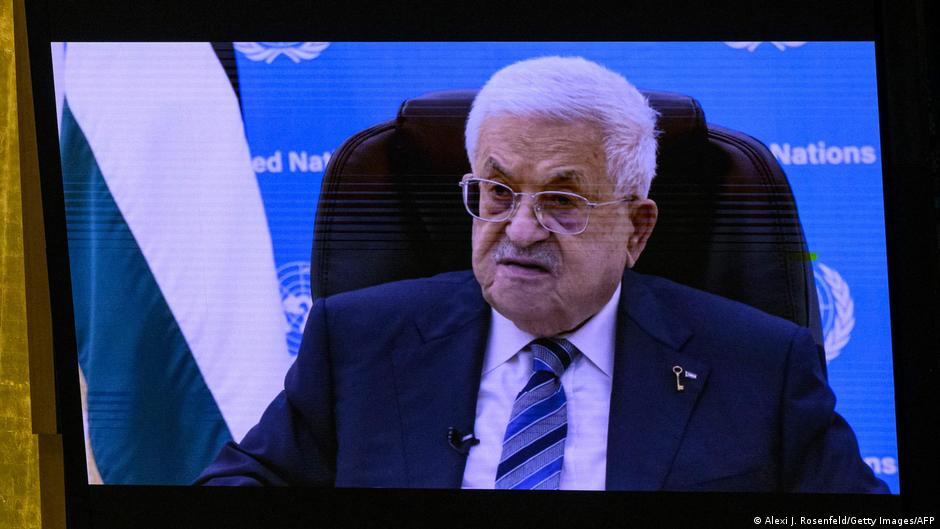
Rosemary DiCarlo, UN Under-Secretary-General for Political and Peacebuilding Affairs, reported that at least 265 civilians were killed and 1,816 wounded in Ukraine during June 2026 due to Russian attacks. While these preliminary figures are slightly lower than May’s 274 civilian fatalities, DiCarlo cautioned that the actual numbers may be higher as investigations continue.
“The data reveals a clear pattern of civilian harm, with multiple attacks on Ukrainian urban centers causing significant casualties,” DiCarlo stated.
Since the onset of the full-scale invasion, more than 16,400 civilians have died, including over 800 children. Additionally, over 48,000 civilians have sustained injuries in the conflict. The month of May previously held the record for civilian fatalities, but June’s data indicates the trend of increased casualties persists. Early July continues this alarming pattern, with at least 93 civilian deaths and over 500 injuries reported within the first week.
Latvia’s Permanent Representative to the UN, Sanita Pavlyuta-Deslandes, emphasized the ongoing violent strikes in early July that targeted multiple Ukrainian cities, resulting in sustained civilian harm. The attacks on July 2, 6, and 8 alone contributed to dozens of deaths, underscoring the ongoing threat to non-combatants.
Historically, civilian casualties in Ukraine have risen during spring and summer months since the conflict began. However, 2026’s figures are notably higher than previous years, signaling a worsening humanitarian situation and escalating risks to civilian populations during this phase of the conflict.
Calls for Immediate Ceasefire and Sustained Peace
Highlighting the gravity of the situation, DiCarlo called for an immediate and unconditional ceasefire in Ukraine. She stressed that any cessation of hostilities must pave the way for a just, lasting, and comprehensive peace in line with the UN Charter, international law, and relevant UN resolutions.
From a financial perspective, the sustained conflict and rising civilian casualties pose significant risks to Ukraine’s economic stability and investor confidence. Continuous attacks on urban centers disrupt infrastructure, hinder economic activities, and exacerbate the humanitarian crisis, which could impact Ukraine’s fiscal health and prospects for international financial support.
Investor relations and financial stakeholders monitoring the region should consider the ongoing security challenges as critical factors influencing Ukraine’s economic recovery trajectory and sovereign risk profile. The heightened civilian toll and persistent conflict underscore the need for diplomatic interventions to stabilize the region and facilitate reconstruction efforts.
As the conflict continues, comprehensive data collection on casualties and infrastructural damages will remain essential for assessing Ukraine’s recovery requirements and guiding strategic financial and humanitarian aid decisions.