Kremlev Says Donald Trump Jr. Reimbursed Wedding-Event Costs
The Russian businessman said Trump Jr. repaid expenses tied to a Bahamas celebration, adding a financial dimension to scrutiny of the Trump family.
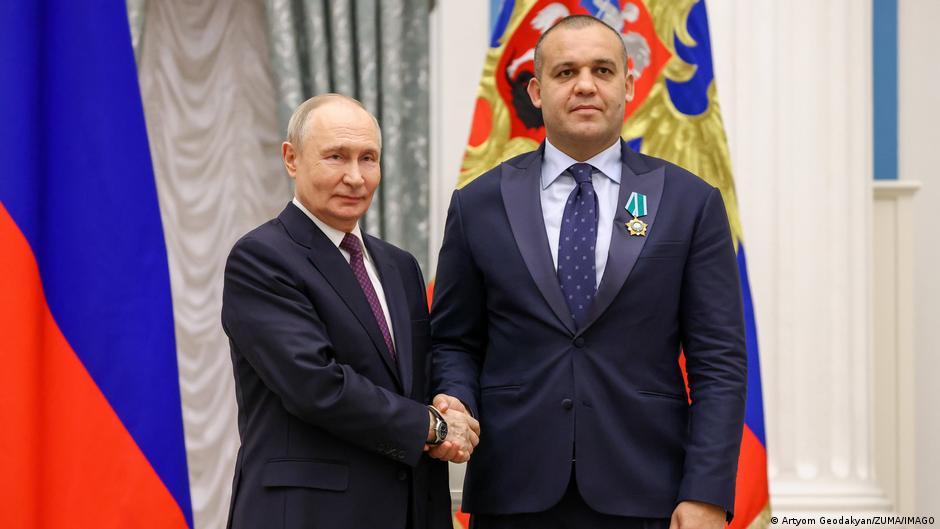
Russian entrepreneur Umar Kremlev said Donald Trump Jr. reimbursed him for money spent on organizing part of the younger Trump’s wedding-related celebrations, a disclosure that places the matter in the realm of personal payments, donor relationships and potential congressional scrutiny.
Kremlev, who heads the International Boxing Association and is described as close to Russian President Vladimir Putin, made the statement on Tuesday, October 6, at a press conference in Istanbul. His comments followed earlier remarks by U.S. President Donald Trump, who also said that his son had returned money to Kremlev.
The transaction, as described by Kremlev and by the U.S. president, centers on expenses associated with celebrations connected to Donald Trump Jr.’s wedding. The financial details remain limited: no amount was disclosed in the Russian account, and the article did not provide invoices, dates of payment, or the method by which the reimbursement was made. Still, the acknowledgment of repayment may become a key fact for investors, compliance professionals and political-risk analysts tracking the financial relationships surrounding the president’s family.
“As far as whether he returned the expenses or not, yes, he returned them,” Kremlev said, according to TASS.
Kremlev also said he did not understand why the money was returned, arguing that the event was shared rather than a special gift. He described the situation as routine hospitality rather than a billable arrangement. “We were at a joint event, I was not at the wedding,” he said, according to the Russian state news agency. He added that he has a friendship with Donald Trump Jr. and had “never asked him or anyone” to help him.
Reimbursement Framed as a Personal Financial Settlement
From a financial reporting perspective, the main issue is not merely whether a party was held, but whether payments for private events involving a president’s close family members create reputational, legal or disclosure risks. Kremlev’s statement suggests that any benefit provided was later offset by reimbursement, but the public record described in the source article does not establish the amount, timing or documentation of the repayment.
On September 18, President Trump confirmed that Trump Jr. had returned money to Kremlev. “As I understand it, he repaid the debt,” Trump said in comments to journalists. He added that he viewed it as “quite normal practice” for a friend to pay for a wedding celebration and also considered it permissible for a businessman close to Russian authorities to take part in financing festivities for his son.
The president’s remarks are notable because they characterize the payment as a debt rather than as a gift. That distinction can matter in questions involving ethics, influence, disclosure and political exposure. The source article does not state whether the repayment was documented as a loan repayment, reimbursement of event expenses or another form of settlement.
The issue first gained wider attention after ProPublica published an investigation on September 14 stating that Kremlev paid part of the expenses for Donald Trump Jr.’s wedding celebration in the Bahamas. According to the Russian source article, Trump Sr. told Axios that he had “no idea who Umar is,” had never heard of him, and that Kremlev had not paid for Don and Bettina’s wedding, which the president said took place at a completely different location and on a different day than the party at issue.
Trump Sr. described the event cited by journalists as an “after-party” held in the couple’s honor and said he did not attend it. That distinction may become important if investigators or watchdogs seek to separate formal wedding costs from related hospitality, side events or post-wedding celebrations.
Potential Congressional Oversight Risk
Axios also reported that a senior Democratic member of the U.S. House Oversight Committee may investigate reports that Kremlev paid for Trump Jr.’s celebrations. Representative Robert Garcia of California sent a letter to White House Chief of Staff Susie Wiles stating that Democrats on the committee were investigating “numerous ways” in which the Trump family allegedly sought to enrich itself by using proximity to the head of state.
The source article said Axios reported that if Democrats win control of the House of Representatives in the November 3 midterm elections, Garcia would likely become the lead congressional investigator. Axios was quoted as saying that the inquiry gives a clear indication of the direction he would take in that role.
For markets and corporate observers, the matter is relevant less as a conventional earnings or balance-sheet story than as a political-finance and governance risk story. Public companies, sponsors, sports bodies and counterparties connected to prominent political figures often face heightened due diligence standards, particularly when payments involve foreign businesspeople, politically exposed persons or family members of national leaders.
Kremlev’s role as head of the IBA adds another institutional layer. The article does not allege wrongdoing by the boxing association, nor does it claim that IBA funds were used. It reports only Kremlev’s statement that Trump Jr. returned money connected with organizing part of the celebrations, and Trump’s separate confirmation that his son repaid what the president characterized as a debt.
Absent disclosed amounts or documentation, the financial significance of the reimbursement remains difficult to quantify. The key unresolved reporting questions include how much was paid, when the payment was made, when reimbursement occurred, and whether the parties treated the initial outlay as hospitality, a gift, a loan or shared event spending.
For now, Kremlev’s public comments narrow one point of dispute: he says Donald Trump Jr. returned the money. But they leave open the larger financial and governance questions that could determine whether the matter remains a political controversy or develops into a formal oversight inquiry.



