Kyiv Missile Strikes Disrupt Bridges and Damage Urban Infrastructure
Nighttime attacks caused fires and transport disruption, adding to the operational and fiscal pressures facing Ukraine’s capital.
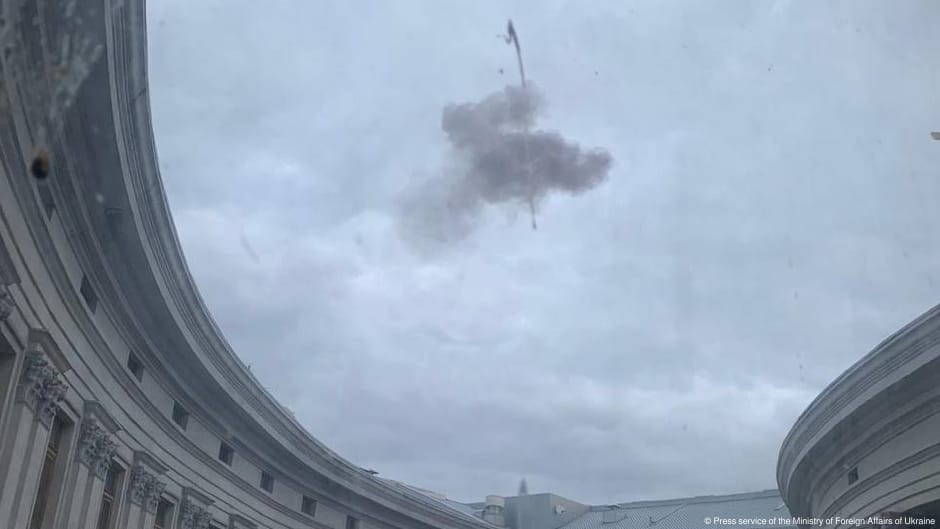
Russian forces launched another series of ballistic missile strikes on Kyiv overnight on Friday, November 20, causing fires in several districts and damaging key transport infrastructure, according to city authorities.
The attacks affected buildings in three districts of the Ukrainian capital. One strike hit an area near a bridge, while officials initially provided no information about other consequences. The damage adds to the mounting financial burden on Kyiv’s municipal administration, which must fund emergency response, infrastructure repairs and continuity of essential services during repeated attacks.
Kyiv Mayor Vitali Klitschko and the Kyiv City Military Administration reported explosions and fires following the strikes. Between 2 a.m. and 3 a.m. local time, Klitschko published three Telegram updates detailing incidents in the Obolonskyi, Holosiivskyi and Podilskyi districts.
In the Obolonskyi district, missile debris caused a fire in a three-story building. In the Holosiivskyi district, an infrastructure facility was hit, with a preliminary report of a fire in an office building on the site. A non-residential building caught fire in the Podilskyi district, while another impact was recorded in an open area near a bridge.
Klitschko later reported damage to the Podilsko-Voskresenskyi and Darnytskyi bridges, as well as a second strike on the Pivdennyi Bridge. Traffic between the two banks of the Dnipro River was impeded, creating additional logistical risks for businesses, workers and emergency services operating across the city.
Infrastructure Damage Adds to Municipal Cost Pressures
The Kyiv City Military Administration confirmed fires in buildings in the Obolonskyi and Podilskyi districts. No deaths or injuries from the latest overnight strikes had been reported at the time of publication.
The immediate financial cost of the attack had not been disclosed. However, damage to bridges, office property and other non-residential buildings can generate direct repair expenses while also reducing economic activity through transport delays and temporary business interruptions. The absence of an official loss estimate means the potential effect on municipal spending, insurance claims and property owners’ balance sheets cannot yet be quantified.
The overnight attack followed Russian strikes on Kyiv during the preceding 24 hours that killed a 26-year-old man and injured four other people, according to Ukraine’s State Emergency Service. Residential and non-residential buildings and a fire and rescue unit were damaged. Emergency personnel rescued two people from a burning six-story building. Debris also damaged windows at St. Volodymyr’s Cathedral in central Kyiv.
Several Ukrainian monitoring channels reported that Russian forces fired 12 ballistic missiles at Kyiv between 2 a.m. and 3:30 a.m. Open-source intelligence reports suggested that bridges and energy facilities were the principal targets, although there was no visual evidence or confirmation from authorities at the time.
The monitoring channels also said several Russian strategic bombers capable of carrying cruise missiles had taken off. Ukraine’s Air Force separately reported continuing launches of jet-powered unmanned aerial vehicles toward the Zaporizhzhia, Kirovohrad, Vinnytsia, Zhytomyr and Lviv regions.
Damage Extends Beyond Kyiv
In Kharkiv, Russian forces shelled a hospital in the city’s Shevchenkivskyi district. Four people were injured and about 50 windows were destroyed, Mayor Ihor Terekhov reported at approximately 5 a.m. local time. The damage underscores the continuing exposure of public institutions to repair costs and service disruption.
Diplomatic properties were also affected during Russia’s daytime attack on Kyiv on November 19. The embassies of the Netherlands and Austria sustained damage, although neither government reported casualties.
Austrian Foreign Minister Beate Meinl-Reisinger ordered additional security measures in response to the intensifying strikes on the Ukrainian capital. Dutch Foreign Minister Tom Berendsen said a projectile hit a building behind the Netherlands’ embassy, causing minor damage to the diplomatic property. The Dutch government summoned the Russian ambassador for an explanation, Bloomberg reported.
Ukrainian Foreign Minister Andrii Sybiha also said debris from a Russian drone fell on the grounds of Brazil’s embassy during the same daytime attacks. No casualties or destruction were reported there.
The European Union will summon a Russian representative over the Kyiv strikes that damaged several embassies, EU foreign policy chief Kaja Kallas said on X. She wrote that Russia attacked Kyiv and damaged European and non-European diplomatic missions while Russian President Vladimir Putin was walking a red carpet in Shenzhen.
For investors and companies assessing operations in Ukraine, the latest attacks reinforce the difficulty of forecasting capital expenditure, insurance exposure and business continuity costs. No earnings impact, corporate loss estimate or government funding requirement was immediately available, but repeated damage to transport, energy and commercial assets remains a material constraint on urban economic activity and reconstruction planning.



