Kyiv Power Outages Expose Infrastructure and Governance Risks
A public dispute between Ukraine’s president and Kyiv’s mayor has intensified scrutiny of energy resilience and repair capacity in the capital.
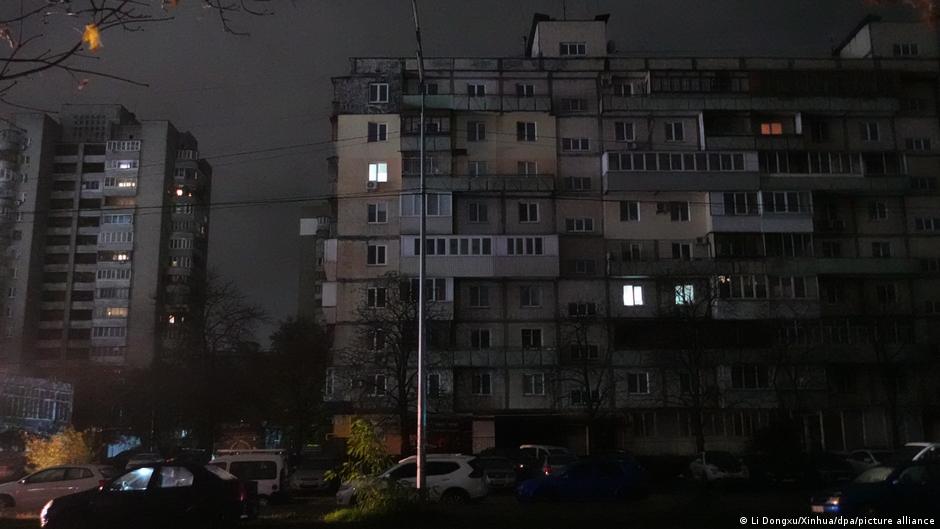
Ukraine’s prolonged electricity and water outages have developed into a high-profile dispute over infrastructure management, exposing governance risks that are relevant to assessments of Kyiv’s financial position, operating capacity and future capital requirements.
Ukrainian President Volodymyr Zelensky criticized the Kyiv authorities on Friday, November 6, over extended disruptions to water and electricity supplies caused by Russian attacks. He said the city had failed to prepare adequately and linked the continuing outages to decisions made before the heating season.
“At the city level, the preparations failed,” Zelensky said in his evening address.
He described the situation as the consequence of city-level decisions that had not been implemented in preparation for the heating season and Russia’s operation against Ukraine’s energy system. The president added that the government had discussed with energy-company representatives the need to bring in additional repair crews and accelerate the restoration of damaged infrastructure.
For financial reporting purposes, the exchange highlights the difficulty of separating municipal performance from nationwide infrastructure damage. Kyiv’s ability to maintain utilities depends not only on city management but also on an interconnected national power system that has come under sustained attack. The speed and scope of repairs may affect operating expenditure, emergency resource allocation and longer-term infrastructure planning, although neither side provided financial estimates.
Mayor Challenges Allocation of Responsibility
Kyiv Mayor Vitali Klitschko responded several hours after the president’s statement, rejecting the suggestion that the capital’s authorities could have prevented the effects of Russia’s campaign against the country’s energy infrastructure.
“How was the capital supposed to prevent the ‘Russian special operation against Ukrainian energy’?” Klitschko wrote on Telegram. He also asked which meetings had addressed Kyiv’s preparations and response efforts without inviting representatives of the city authorities.
Klitschko stressed that Ukraine operates a single, interconnected energy system. When infrastructure is destroyed across the country, he argued, it is not possible for one area to remain fully illuminated while responsibility for darkness elsewhere is assigned to the mayor.
The mayor accused the central government of repeatedly portraying Kyiv as the country’s worst-performing jurisdiction. He characterized the government’s statements as manipulation and falsehoods, and said its efforts to remove him, combined with a lack of assistance for the capital, were effectively destroying Kyiv.
The dispute raises questions about coordination between national and municipal authorities at a time when financial and physical resources are under severe pressure. Clear responsibility for maintenance, emergency repairs and heating-season preparedness is important for evaluating spending priorities and the execution of infrastructure programs. The public statements, however, offered no balance-sheet data, budget figures or quantified assessment of the damage.
Repair Capacity Becomes a Key Operating Metric
In his November 6 evening address, Zelensky said the response to intensified Russian attacks would include deploying more repair crews and obtaining assistance from Ukraine’s Armed Forces in dealing with their consequences.
He said Russia’s tactics were focused on destroying electrical grids, transformers and switchgear. As a result, shortages persisted in some regions even where electricity generation was sufficient. Zelensky said repairs were the solution and emphasized that speed was critical.
That distinction between generation and distribution is significant for any financial assessment of the energy emergency. Available generating capacity does not ensure reliable supply when transmission and distribution assets have been damaged. Restoration therefore depends on repair personnel, access to equipment and the ability of different levels of government and energy companies to coordinate their response.
Neither Zelensky nor Klitschko disclosed the expected cost of additional crews, replacement equipment or military assistance. They also did not specify how those costs would be divided among the central government, municipal authorities and energy companies. The absence of quantified disclosures limits the ability to measure the immediate fiscal effect or estimate the capital expenditure that may be required to improve resilience.
Attacks Intensify Ahead of Colder Weather
Russia’s military has intensified missile and drone strikes on Ukraine’s energy infrastructure in recent weeks. Millions of Ukrainians have been forced to live through autumn cold without heating and have also experienced interruptions to electricity and water supplies.
The escalation increases the operational burden on utilities and public authorities while making normal seasonal planning more difficult. Repeated damage to networks, transformers and distribution equipment can redirect resources from planned projects toward urgent restoration work. The political dispute also underscores the importance of transparent reporting on repair progress, division of responsibilities and infrastructure needs.
For investors, creditors and other stakeholders monitoring Ukraine’s public finances and energy sector, the immediate issue is not an earnings cycle in the conventional corporate sense. It is the capacity of government bodies and energy operators to preserve essential services, fund repairs and communicate the scale of damage. The confrontation between Zelensky and Klitschko shows that responsibility for those outcomes remains politically contested even as the physical attacks continue.



