Missile Strike in Oryol Puts Proton Plant’s Production Assets at Risk
Reported damage at a key Russian optoelectronics producer raises questions about asset losses, output disruption and future capital spending.
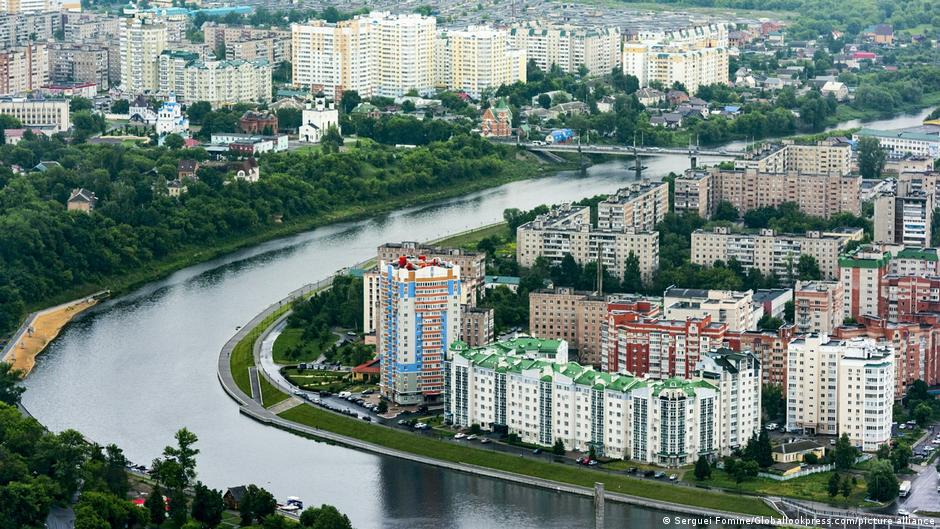
A large-scale missile attack struck the Russian city of Oryol overnight into Saturday, January 7, potentially damaging production assets at Proton, one of Russia’s most important manufacturers of optoelectronic equipment.
Oryol Region Governor Andrei Klychkov confirmed the attack and said that production premises belonging to an enterprise in the city’s Sovetsky district had been partially damaged. He did not identify the company, provide an estimate of the physical damage or disclose whether there were casualties. Emergency services were working at the site, according to the governor.
OSINT analysis by the publication ASTRA indicated that the strike caused a major fire at the Proton plant, which is located in Oryol’s Sovetsky district. The identification has not been officially confirmed in the governor’s statement, leaving uncertainty over the precise facility affected and the potential financial consequences for its operator.
Damage assessment will determine the financial impact
From a financial-reporting perspective, the central question is whether the reported fire affected buildings alone or also damaged specialized machinery, inventories, utilities and work in progress. The answer would shape the scale of any impairment charges, repair costs and production losses associated with the incident.
Klychkov’s description of the damage as partial provides no basis for calculating the value of affected assets or estimating how long manufacturing operations could be disrupted. No figures were disclosed for revenue exposure, replacement costs, insurance coverage, order delays or required capital expenditure. There was also no information on whether the enterprise had suspended production.
“Production premises of an enterprise in the Sovetsky district were partially damaged,” Klychkov said, without naming the company.
If the affected site is confirmed as Proton, the financial impact could extend beyond the cost of restoring the premises. Optoelectronics manufacturing can depend on specialized equipment and controlled production processes, meaning that even damage confined to part of a facility may create bottlenecks. However, the available information does not establish which production lines, if any, were affected.
For investors, creditors and counterparties assessing the enterprise, future disclosures would need to distinguish between direct property damage and broader operating effects. Relevant metrics would include lost production days, changes to shipment schedules, inventory write-offs, repair spending and any revisions to procurement or capital investment plans. None of those metrics has yet been provided.
Potential exposure for defense-related supply chains
Ukrainian OSINT channels Exile+ and Supernova+ have reported that Proton products are used in several Russian weapons systems. They cited the S-71 Kover air-launched cruise missile, the 9M723 Iskander-M ballistic missile and the Pantsir-S1 surface-to-air missile and gun system.
Those claims increase the potential importance of the plant within Russia’s defense-industrial supply chain, although the source report does not specify the value of Proton’s contracts, the share of its revenue tied to those systems or the availability of alternative suppliers. Without such data, it is not possible to quantify the effect of any interruption on Proton’s earnings or on customers that may depend on its components.
A disruption could create several accounting and liquidity issues for the producer. These might include lower revenue recognition if deliveries are postponed, higher costs if equipment or inputs must be replaced quickly, and additional capital expenditure to restore capacity. Contractual penalties could also become relevant if delivery obligations are missed, but no information has been released on Proton’s contract terms or current order book.
The condition of inventories will be another important factor. Fire damage may affect finished goods, components or work in progress, potentially requiring write-downs. Any such losses would depend on the location of the fire within the facility and the extent to which storage and production areas were exposed.
Repeated attacks add to operating risk
The Proton enterprise had previously been targeted repeatedly in Ukrainian attacks, according to the source account. That history adds a recurring physical-security risk to the plant’s financial profile and could require continued spending on protection, redundancy and business continuity.
Repeated incidents may also complicate long-term budgeting. Management could face a choice between repairing existing assets, reinforcing the Oryol site or shifting some capacity elsewhere. Each option would carry different implications for capital expenditure, depreciation, operating margins and the timing of future output.
The immediate financial significance of the latest attack remains unclear because neither Proton nor regional officials have published a detailed damage assessment. Confirmation of the site, the status of production equipment and the expected restoration timetable will be necessary before the effect on the enterprise’s balance sheet, quarterly performance and delivery commitments can be evaluated.



