Missile Strike on Kyiv Results in Casualties and Infrastructure Damage
Ballistic missile attack on Kyiv causes at least five deaths and significant damage to residential and medical facilities.
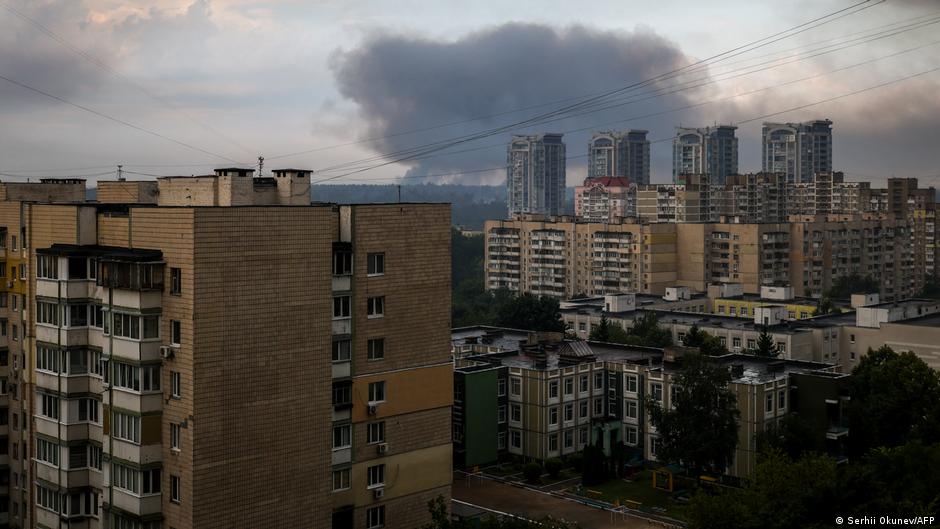
In the early hours of August 20, the Russian military launched a ballistic missile attack on Kyiv, resulting in at least five fatalities and injuring 23 others, according to the Kyiv City Military Administration. The attack inflicted damage on multiple residential buildings and a children's hospital, raising concerns about civilian safety and infrastructure resilience amid ongoing conflict.
Impact on Civilian Infrastructure and Casualties
Vitaliy Klitschko, the mayor of Kyiv, reported that 14 of the injured were hospitalized, while the remainder received outpatient or on-site medical treatment. The missile debris struck the Solomianskyi district near a five-story residential building, shattering windows and igniting a fire.
"The upper floors of a nine-story residential building were destroyed, and a children's hospital sustained damage with vehicles catching fire on its grounds," Klitschko stated.
Emergency services also responded to fires in non-residential buildings in the Darnytskyi and Sviatoshynskyi districts. Additionally, reports indicate missile strikes on warehouse facilities in Brovary, Kyiv region, signaling broader logistical impacts.
This missile strike underscores the ongoing risks to civilian infrastructure and raises questions about the economic and social costs faced by Kyiv amid the conflict. Damage to healthcare facilities and residential buildings may have downstream effects on public health expenditures and housing markets.
Financial Implications and Investor Considerations
Repeated infrastructure attacks contribute to uncertain investment climates, potentially disrupting local markets and affecting municipal budgets allocated for repairs and emergency response. The destruction of medical and residential properties may necessitate increased capital expenditure from public and private sectors, influencing Kyiv's fiscal outlook and investor confidence.
Stakeholders monitoring Ukraine's economic recovery and municipal financial health should consider the direct and indirect costs of such attacks on urban centers. The need for reconstruction funds and insurance claims is likely to grow, impacting both short-term expenditures and long-term financial planning.