Over 40 Countries Call for Advance Notification of Ballistic Missile Tests to Enhance Security
A coalition of over 40 nations urges a minimum 24-hour prior notice for ballistic missile launches to reduce risks and strengthen global trust.
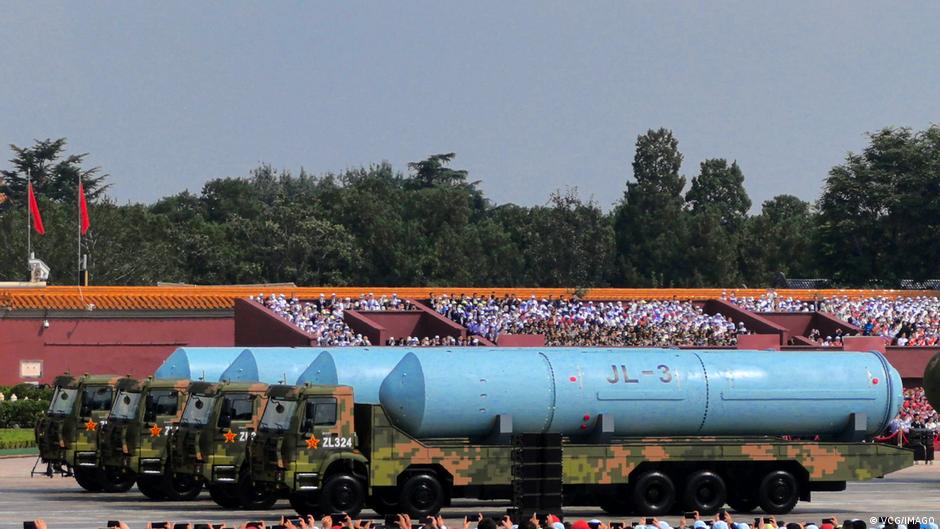
More than 40 countries, including the United States, South Korea, and Japan, have jointly issued a statement emphasizing the risks posed by ballistic missile tests conducted without prior notification. On August 11, these nations called for the establishment of a transparent notification system requiring at least 24 hours' advance warning before any launch of intercontinental ballistic missiles (ICBMs), submarine-launched ballistic missiles (SLBMs), or carrier rockets.
Financial and Security Implications of Missile Test Transparency
The joint declaration underscores that implementing orderly and transparent notification mechanisms does not constrain any country's military development or operational needs. Instead, such protocols aim to reduce miscalculations and misunderstandings that could escalate conflicts, thereby enhancing mutual trust and demonstrating a shared commitment to international security.
"Orderly, transparent notification mechanisms do not limit military development but reduce the risk of miscalculations and build shared security commitments," the statement affirms.
The proposed notifications should include details such as the missile's general classification, launch location, and intended trajectory. This enhanced transparency is particularly critical among nuclear-armed states, where the stakes of a misinterpreted missile launch are exceptionally high.
Recent missile tests in the Pacific Ocean have raised concerns, as some launches reportedly did not comply with these notification standards. Although the statement does not explicitly name China, it references an early July test involving a strategic missile launched from a nuclear submarine in the Pacific, where Beijing notified only a few countries shortly before the launch.
In addition, on the night of August 12, North Korea conducted at least one ballistic missile test, marking its eleventh such launch this year. According to South Korean and Japanese defense sources, the missile was fired from the eastern coastal region of Wonsan and traveled eastward. The missile reportedly reached an altitude of approximately 90 kilometers and fell into the sea roughly 10 minutes after launch, traveling less than 700 kilometers.
South Korea's military has announced increased surveillance and vigilance in response to potential further launches from North Korea. These developments heighten regional security concerns and underscore the economic and geopolitical risks tied to missile testing activities.
For investors and international markets, missile launches and related geopolitical tensions can trigger volatility, impacting defense sector stocks, regional trade flows, and overall investor sentiment. Transparency initiatives such as these could mitigate some of the uncertainty by reducing the likelihood of surprise tests, which often lead to sharp market reactions.