Pentagon Curbs Canada Defense Ties, Raising Procurement Risks
The directive preserves intelligence, NATO and NORAD cooperation but adds uncertainty for bilateral defense programs and contractors.
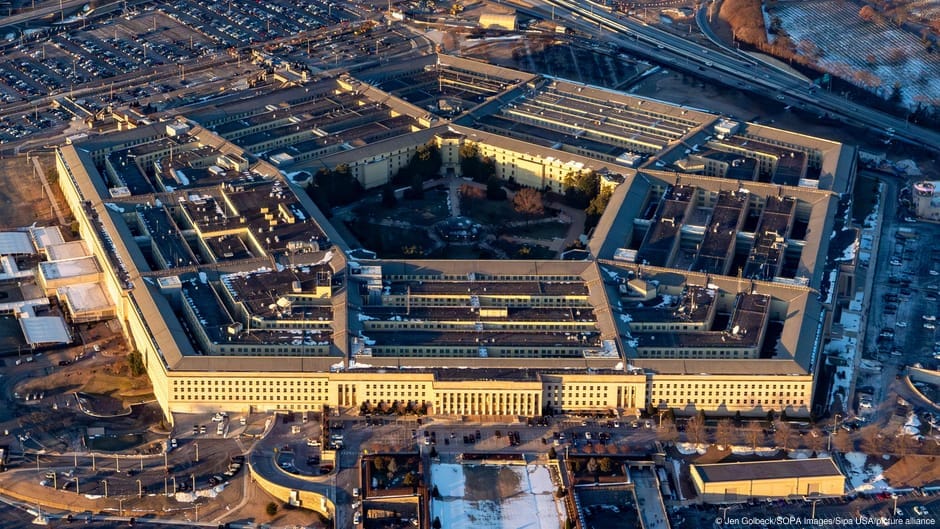
US Defense Secretary Pete Hegseth has imposed new restrictions on defense cooperation between the United States and Canada, according to The Washington Post, citing officials familiar with a classified internal memorandum.
The directive was circulated last week, although the newspaper said it had not reviewed the document itself. Its precise scope therefore remains unclear, leaving defense contractors, procurement officials and investors without details about which bilateral activities, programs or funding channels could be affected.
One person familiar with the matter said Canada would view the restrictions as a “slap in the face.” The measure is also expected to raise questions about how cooperation between the two countries’ armed forces will be limited in practice.
Core security arrangements remain in place
Hegseth’s spokesperson, Sean Parnell, said the Defense Department was taking steps to ensure that its engagement with Canada advanced specific US defense objectives and ultimately strengthened the bilateral defense relationship.
“The department is prioritizing opportunities for bilateral cooperation that strengthen the defense of our nations and the entire hemisphere.”
Parnell added that the Pentagon’s approach would support Canada’s ability to meet its NATO commitments. He also said the directive would not affect intelligence sharing or cooperation between Washington and Ottawa through NATO or the bilateral North American Aerospace Defense Command, known as NORAD.
Those exemptions limit the immediate operational implications for two of the most important pillars of continental defense. However, the lack of public detail about the restrictions may complicate financial planning for companies exposed to cross-border military procurement, joint development work, maintenance contracts or defense supply chains.
For investors, the central question is whether the directive is primarily an administrative effort to align cooperation with stated US priorities or whether it signals a broader reassessment of Canadian participation in American defense programs. Without the memorandum, it is not possible to determine which contracts, budget lines or corporate revenue streams could face delays or changes.
The White House referred the newspaper’s questions to the Pentagon. The Canadian Embassy in Washington did not respond to a request for comment.
Trade and public procurement tensions add financial risk
The defense restrictions follow a period of heightened economic friction between Washington and Ottawa. In mid-September 2026, US President Donald Trump said he was prepared to halt trade with the European Union if its partnership with Canada continued to expand.
Trump made the statement after being asked about European Commission President Ursula von der Leyen’s plans to make Canada the European Union’s “first associate member.” Speaking at a campaign event in North Carolina, he called the proposal “ridiculous” and warned that he could impose very high tariffs or stop trade with Europe if he regarded the move as unfriendly.
Trump said that benign intentions would not pose a problem, but that hostile intentions could result in Europe being subjected to very high tariffs. His comments introduced another potential source of uncertainty for companies with exposure to transatlantic trade, particularly those whose supply chains or sales depend on relationships involving the United States, Canada and the EU.
At the same time, the White House said Trump had signed a memorandum barring Canadian goods from participation in US federal government procurement. According to the administration’s press release, Washington adopted the measure in response to Canadian actions that it said had unjustifiably created new barriers for US companies seeking access to Canada’s public procurement market.
The federal purchasing ban has more direct financial implications than the still-undefined defense directive. Canadian suppliers that depend on US government contracts could face reduced addressable markets, while American competitors may gain access to procurement opportunities previously contested by Canadian companies. The measure could also affect order backlogs, revenue forecasts and investment decisions among businesses serving public-sector customers.
Taken together, the procurement ban, tariff threats and defense restrictions point to a more conditional US approach to economic and security cooperation with Canada. The preservation of intelligence sharing, NATO coordination and NORAD operations suggests that key strategic ties remain protected. Yet the unresolved scope of the Pentagon directive leaves companies and investors awaiting further disclosure about its effect on bilateral programs, procurement eligibility and future defense spending.



