Report Details Russia’s Shadow Aviation Fleet Supporting Military Operations in Africa
A comprehensive network of military and private aircraft facilitates Russian troop supply lines in the Sahel region despite Western sanctions.
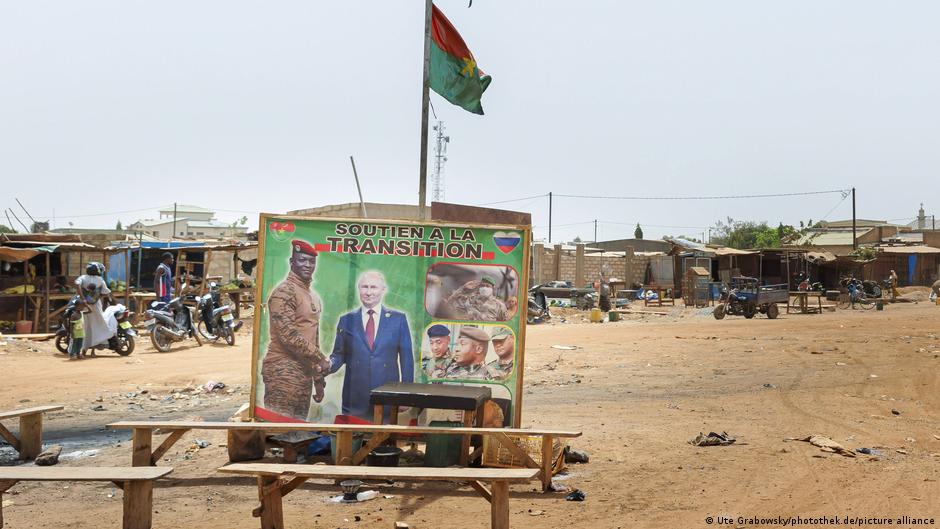
Recent analysis from the Center for Advanced Defense Studies (C4ADS) reveals that Russia has established a "shadow aviation fleet" to sustain its military presence in the African Sahel region. This fleet circumvents Western sanctions, enabling ongoing supply missions to Russian forces in Mali, Burkina Faso, and Niger.
Shadow Fleet Operations and Logistics Network
Between January 2025 and July 2026, at least 75 flights were conducted from Russia to these Sahel countries, according to the detailed report published on August 12. The operations are supported by a complex logistics system involving military operators, government agencies, and private transport companies.
"If these aircraft and companies deliberately transport Russian military personnel or cargo supporting units in Africa, they should face targeted sanctions regardless of their registration," emphasized Tomas Zdechovsky, Czech MEP.
The primary operator identified is the 224th Flight Detachment, a government entity under the Russian Ministry of Defense, which has since been sanctioned by the United States. Other entities include Sapsan Airlines, Liz Aviation, and aviation units of the Russian Ministry of Emergency Situations (MChS). Notably, these private companies remain outside current EU, US, or UK sanctions.
The fleet's state-owned aircraft frequently transit through Russian-controlled bases in Syria and Libya, while private carriers utilize commercial hubs in Turkey, Algeria, and the United Arab Emirates. This dual-use logistics pathway mirrors the mechanisms Moscow employs for its shadow maritime fleet engaged in oil exports.
Implications for Investors and Financial Stakeholders
The establishment of this aviation supply network underscores Moscow’s strategic approach to sustaining overseas military operations amid escalating geopolitical restrictions. For investors and financial analysts, the involvement of sanctioned and non-sanctioned entities indicates potential risks related to compliance, sanctions evasion, and operational transparency.
Moreover, the use of private airlines not currently subject to restrictive measures may signal vulnerabilities in sanction enforcement regimes, which could affect market perceptions and regulatory scrutiny of companies linked to Russian state interests.
European institutions and governments are urged to conduct urgent assessments of the entities involved. The potential expansion of targeted sanctions could impact share valuations, creditworthiness, and investor relations of implicated companies, necessitating enhanced due diligence and risk management strategies.