Russia Declares Human Rights Foundation 'Undesirable' Amid Political and Information Disputes
Russian authorities designate American NGO Human Rights Foundation as 'undesirable' citing anti-Russian activities and political content.
On August 6, 2024, the Russian General Prosecutor's Office officially designated the American non-profit organization Human Rights Foundation (HRF) as "undesirable" within the Russian Federation. This move marks a further deterioration in the operating environment for foreign NGOs engaged in human rights advocacy and political monitoring in Russia.
Reasons for the 'Undesirable' Designation
The Russian authorities highlighted the launch of HRF's project "Tyranny Tracker," an interactive map categorizing countries according to their adherence to democratic values. The map labels Russia as a fully authoritarian state, which the Prosecutor's Office cited as a critical factor in their decision. Additionally, HRF is accused of disseminating information that "discredits" the Russian military and supporting other organizations already banned in Russia.
Formally established in 2005, HRF's mission is to promote and protect human rights worldwide through advocacy and public awareness campaigns. The designation effectively restricts HRF's activities in Russia and impedes cooperation with Russian entities, severing a key channel for disseminating financial and operational transparency regarding human rights issues.
Leadership Changes and Implications for Investor Relations
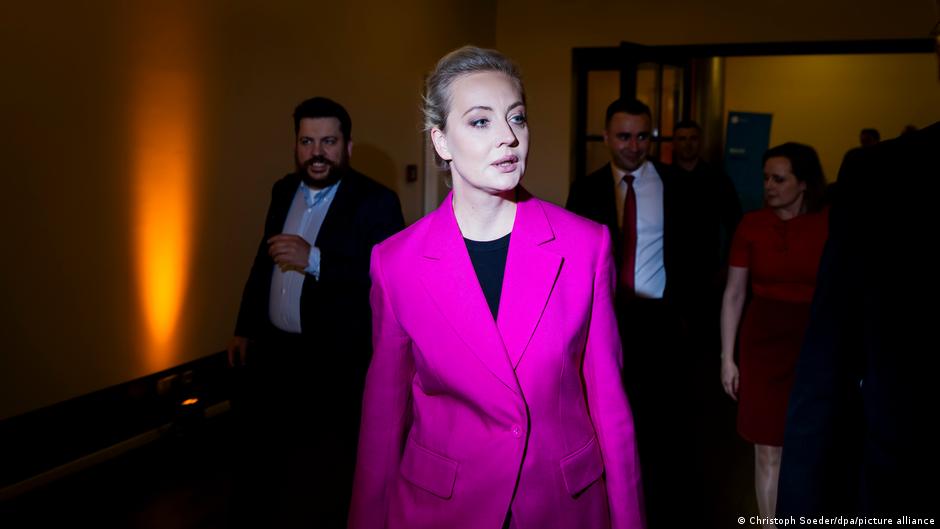
In 2024, Yulia Navalnaya was appointed as chairperson of HRF, succeeding former World Chess Champion and Russian opposition figure Garry Kasparov. This leadership change could influence HRF's strategic focus and investor relations, especially given Navalnaya's heightened profile within Russian political opposition circles.
"The designation of HRF as 'undesirable' manifests the ongoing conflict between state control and international non-governmental organizations advocating democratic values and transparency."
From a financial standpoint, the designation could impact HRF’s funding streams, including donations and grants from international stakeholders wary of escalating legal risks. It further complicates due diligence and compliance procedures for investors and partners involved in funding human rights initiatives linked with Russia.
For financial analysts and investor relations professionals, the case highlights the increasing risks associated with geopolitical volatility and government interventions in NGO operations. Transparency, governance, and reputational considerations become paramount when assessing investments in organizations operating within or in relation to jurisdictions with restrictive regulatory environments.