Russia Permits Individuals With Limb Loss to Operate Buses and Trucks
New regulations allow people without upper or lower limbs to drive public transport and freight vehicles in Russia.
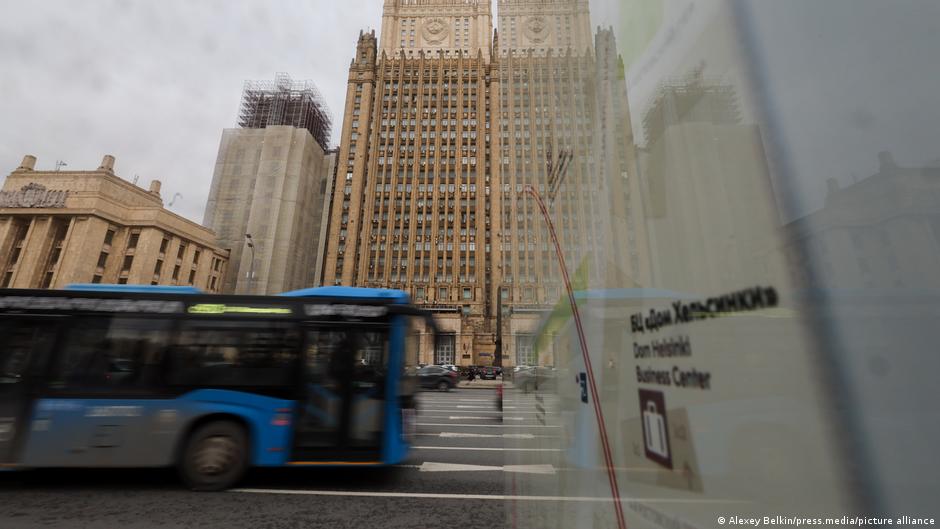
In a significant regulatory update, Russia has expanded the eligibility criteria for driving public transportation and freight vehicles to include individuals with certain physical disabilities, particularly those without upper or lower limbs. This change marks a shift in policy aimed at increasing employment opportunities for veterans and individuals with disabilities.
Regulatory Changes and Their Implications
On August 21, the Russian Prime Minister, Mikhail Mishustin, officially amended the list of medical restrictions for operating buses, trams, trolleybuses, and trucks. According to the new regulations published on the official legal information portal, people with severe deformities of the hand or foot, those missing fingers or their phalanges, and those without upper or lower limbs can now legally operate these vehicles.
However, the prohibition remains for individuals who lack both limbs or hands, or who have deformations that significantly impair hand movement. This nuanced adjustment reflects technological advances in vehicle automation and control systems, which make it possible for drivers with physical impairments to safely operate complex transport machinery.
"The current level of automation in vehicle control enables war participants with specific injuries to effectively work as bus drivers," commented regional leader Alexey Tsydenov during a State Council meeting.
The request to reconsider the medical restrictions was initiated by Alexey Tsydenov, the head of the Republic of Buryatia, during a State Council session on August 10 focused on public transport development. President Vladimir Putin participated in this session and has since emphasized the importance of preparing for the reintegration of veterans into the workforce.
Context: Veteran Employment and Economic Integration
President Putin addressed the issue of veteran employment on August 19, highlighting that many individuals returning from the special military operation (SMO) will do so with "healthy ambitions" and will require support in re-entering civilian professions. This regulatory change aligns with broader governmental efforts to accommodate veterans and individuals with disabilities in the workforce, particularly in sectors like public transportation, where skill and responsibility are critical.
From a financial and investor relations perspective, these changes could impact transportation companies’ human resources strategies and operational planning. By widening the pool of eligible drivers, companies could alleviate labor shortages and potentially reduce turnover costs. Additionally, this integration could improve corporate social responsibility profiles and open access to government subsidies or incentives targeted at employing veterans and people with disabilities.
Overall, the amendment signals a strategic move to leverage technological progress and social policy to enhance workforce inclusivity and operational efficiency in Russia's public and freight transport sectors.