Russian Strikes Hit Ukrainian Business Assets as Power Curbs Loom
Attacks reported across Kyiv, Odesa, Sumy and the Kyiv region damaged commercial property, housing and energy assets, prompting electricity restrictions.
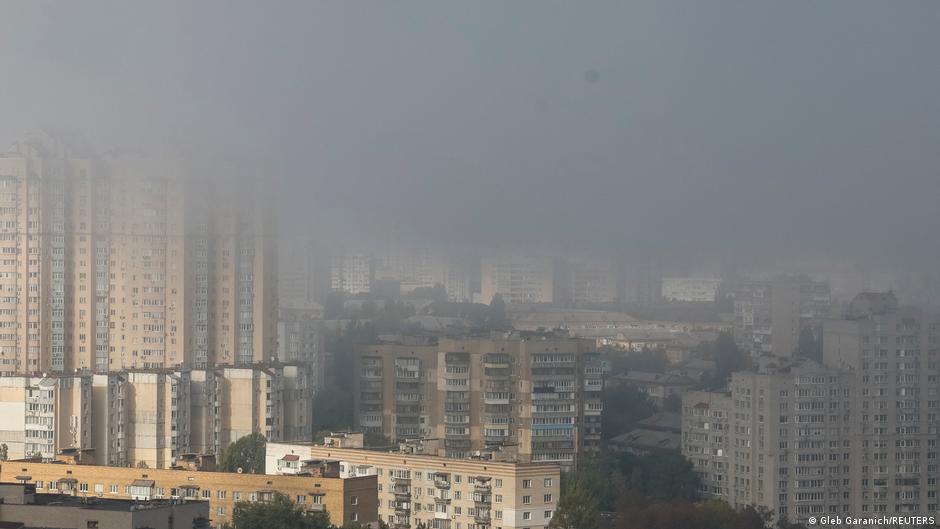
Russian forces continued large-scale evening attacks on several regions of Ukraine on Wednesday, September 30, damaging warehouses, a business center, residential buildings and energy infrastructure, according to local authorities, emergency services and media reports. The strikes added fresh operational risk for companies, property owners and utilities already managing wartime volatility in assets, logistics and power supply.
In Kyiv, damage was reported in three districts. Mayor Vitali Klitschko said on Telegram that a drone hit warehouse premises in the Obolon district. In the Holosiivskyi district, debris from an unmanned aerial vehicle fell on open ground near a road, setting trees on fire. UNIAN reported that in the Solomianskyi district, a Russian drone struck a multi-story residential building, with the main damage affecting a cafe on the ground floor. The blast wave and debris also damaged several other establishments, apartment windows and cars parked nearby.
In Odesa, a drone hit a business center, according to the reports cited in the source account. The damage to commercial premises in both Odesa and Kyiv underscores the exposure of office, retail and service-sector assets to continuing strikes, with potential implications for insurance claims, repairs, tenant operations and short-term business continuity.
Commercial property and local infrastructure take damage
The evening attacks also caused damage across five districts of the Kyiv region, according to Timur Tkachenko, head of the Kyiv Regional Military Administration, writing on Telegram. He said a woman was injured in the Boryspil district as a result of the enemy attack. Several residential buildings and cars were also damaged in the Bucha, Obukhiv, Fastiv and Bila Tserkva districts. In Bila Tserkva, the building of an educational institution was also damaged, Tkachenko said.
“As a result of the enemy attack in the Boryspil district, a woman was injured,” Tkachenko wrote.
For regional administrations, the immediate financial burden of such incidents typically begins with emergency response, damage assessment and restoration of essential services. For households and small businesses, the effects can be more direct: damaged premises, interrupted trading hours, vehicle losses and temporary disruption to local demand. The source article did not provide monetary damage estimates, insurance figures or budget allocations related to the latest attacks.
Russian forces also struck Sumy with guided aerial bombs, the Main Department of Ukraine’s State Emergency Service in the Sumy region said on Facebook. Preliminary data indicated that six people were injured. Private and apartment residential buildings were damaged in the city, and the roof of one building caught fire.
The reported injuries in Sumy and the Kyiv region point to the human cost of the strikes, while the damage to homes, cars, commercial establishments and public buildings adds to the physical-asset losses that local authorities and property owners must absorb. The attacks also raise the likelihood of further emergency spending and repair work, although no official cost figures were included in the reports.
Power restrictions add pressure on industry and business
The most direct financial reporting angle emerged from Ukraine’s power system. In an evening Facebook statement, national energy company Ukrenergo said restrictions on electricity consumption would be introduced because of Russian attacks on energy facilities. The company said that, due to a difficult situation in the power system, consumption-limiting measures would have to be applied in certain regions of Ukraine on October 1.
For industrial companies and businesses, Ukrenergo said power limitation schedules would apply from 8:00 a.m. to 9:00 p.m. Hourly outage schedules for all categories of consumers would apply from 8:00 a.m. to 11:00 a.m. and from 4:00 p.m. to 9:00 p.m. In Kyiv and three other Ukrainian regions, local authorities applied emergency electricity shutdown schedules already on September 30.
The planned limits introduce a clear operational variable for manufacturers, logistics providers, retailers, office tenants and service firms. The announced timetable covers the core business day for industry and commerce, increasing the likelihood of reduced output, delayed services, backup-generation costs and disrupted customer activity in affected regions. For energy-intensive companies, even partial restrictions can affect production schedules and revenue recognition, though the reports did not quantify the expected impact.
The restrictions also matter for investors tracking Ukraine’s infrastructure resilience and the financial condition of utilities. Repeated attacks on energy facilities can increase maintenance and repair needs, complicate grid management and raise the importance of liquidity, procurement and emergency planning for state-linked operators. Ukrenergo’s statement did not disclose financial losses or balance sheet effects, but it confirmed that the power system situation was sufficiently strained to require consumption limits.
The incidents reported on September 30 therefore combine several categories of economic exposure: damaged business property in Odesa and Kyiv, losses to housing and vehicles in the Kyiv region and Sumy, injuries that increase pressure on emergency services, and electricity curbs that could affect industrial and commercial activity on October 1. For financial readers, the key issue is not only the physical damage from individual strikes, but the cumulative effect on operating continuity, local budgets, asset values and energy-system reliability.
No official aggregate estimate of financial damage was provided in the source reports. Authorities and emergency services described the affected locations, injuries and infrastructure consequences, while Ukrenergo set out the schedule for power restrictions. The immediate investor-relations question for companies operating in the affected regions will be whether the strikes and electricity limits materially disrupt operations, require asset write-downs, trigger insurance processes or affect near-term guidance.



