Serbia to Hold Early Parliamentary Elections in October 2024, President Vucic Announces
President Aleksandar Vucic confirms snap parliamentary elections to take place in October, reshaping political and economic outlook.
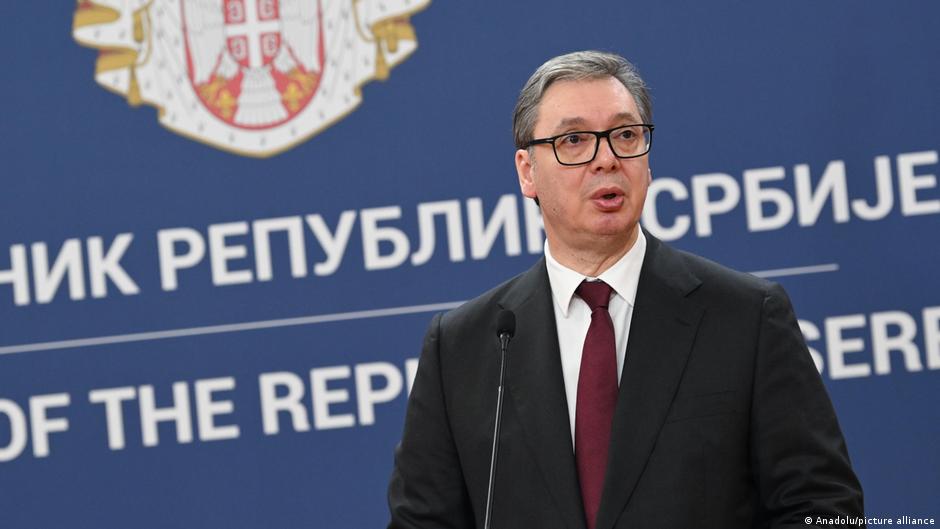
Serbia is set to hold early parliamentary elections in October 2024, President Aleksandar Vucic announced on August 20 during a live broadcast on RTS television. The vote, scheduled for either October 18 or 25, will occur more than a year ahead of the originally planned timeline.
Political Context and Timing
President Vucic, who has led Serbia for 12 years, previously indicated plans to step down before the end of his current term, which is due to expire in mid-2027. The constitution of Serbia prohibits an individual from serving more than two presidential terms consecutively, making this election a critical juncture for the country's political leadership.
"The exact date of the elections will be announced in the coming days," Vucic stated, signaling imminent political changes ahead.
Early elections typically result in shifts in policy direction and governance priorities, which can have significant implications for Serbia's economic environment, investor confidence, and fiscal stability. Market analysts and investors will be closely monitoring developments as they assess potential impacts on Serbia's economic outlook.
Social Unrest and Economic Implications
The decision to call snap elections follows over eighteen months of widespread protests across Serbia. The demonstrations intensified after a fatal collapse of a railway station canopy in Novi Sad, which claimed 16 lives. Protesters, particularly students, have been mobilizing large crowds demanding action against government corruption and enhanced accountability.
Public opinion polls indicate strong support for the protesters’ anti-corruption stance, with approximately 80% of the population backing their demands. Around 64% have expressed support for the protests themselves. Such social movements underscore persistent governance challenges that may affect Serbia’s investment climate and economic policies.
Critics accuse President Vucic and his administration of pervasive corruption, links with organized crime, and suppressing political dissent, raising concerns about the rule of law and business environment transparency. These factors could influence Serbia's credit ratings, foreign direct investment inflows, and broader market stability.
Investor Outlook and Market Response
Investors will be paying close attention to the election outcomes, potential shifts in government composition, and subsequent policy changes. Early elections often introduce a degree of uncertainty, which can impact currency stability, capital markets, and government bond yields.
Financial stakeholders will also monitor the government's approach toward economic reforms, public sector management, and anti-corruption measures, all critical factors in evaluating Serbia’s long-term fiscal health and growth prospects.
As Serbia approaches these pivotal elections, the balance between political stability and reformist momentum will play a decisive role in shaping the country's economic trajectory and investor confidence.