Trump Orders Probe of Democrats as Political Risk Rises After Vote
The investigation order and looming congressional inquiries could increase policy uncertainty for companies, donors and investors.
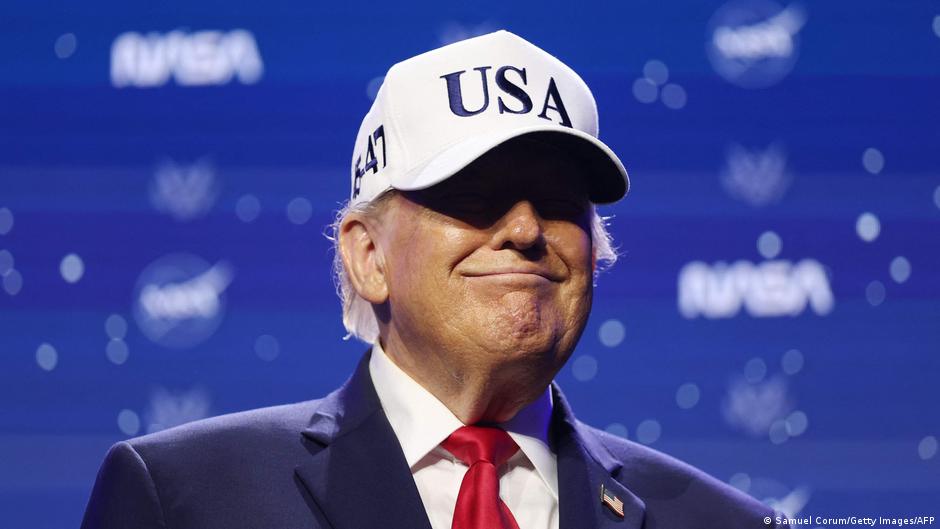
US President Donald Trump has instructed the Justice Department to investigate Democratic Party members, accusing them of using threats of impeachment and other penalties to pressure the attorney general and other officials after winning the congressional midterm elections.
Trump announced the directive on Saturday, November 7, through his Truth Social platform. He alleged that Democrats were threatening the US attorney general and other officeholders despite lacking grounds for impeachment or disciplinary action.
“This is blackmail at the highest level, and they must be punished,” Trump said.
The order adds another source of political uncertainty following an election that shifted control of both chambers of Congress to the Democrats. For companies and investors, the confrontation could complicate assessments of federal policy, regulatory oversight and the prospects for legislation. It may also draw greater attention to political contributions and the governance risks faced by businesses whose executives or shareholders are prominent campaign donors.
Congressional scrutiny could widen
Some Democrats have said they intend to launch congressional investigations into alleged abuses of power by officials appointed by Trump, including members of the president’s family. Such inquiries could require testimony and document disclosures, creating a prolonged oversight process alongside the Justice Department investigation requested by the White House.
Political tensions have also intensified within the White House following the Republican defeat, Reuters reported. Republican Representative Thomas Massie of Kentucky, a Trump critic, said he wanted to bring to a vote the impeachment of Defense Secretary Pete Hegseth. The prospect of challenges involving senior officials on both sides of the administration-Congress divide points to a potentially disruptive period for federal decision-making.
From a financial reporting perspective, businesses exposed to government contracts, regulated industries or changes in federal spending may need to monitor the dispute as a source of policy and operational risk. No financial figures, budget estimates or company-specific impacts were disclosed in connection with Trump’s announcement. The immediate significance therefore lies in the possibility that investigations and impeachment initiatives could delay decisions, alter regulatory priorities or increase uncertainty surrounding future policy.
Republican donors drawn into dispute
Trump further claimed that Democratic lawmakers were threatening Republican financial supporters with prison sentences because of their political beliefs. He also accused Michigan Senator Elissa Slotkin of planning to prosecute young Americans for supporting the Republican Party.
The president did not present details in the announcement establishing the basis for those claims. Even so, the focus on Republican donors raises potential investor-relations and reputational considerations for companies and executives involved in political fundraising. Public companies typically face scrutiny over governance, disclosure controls and the use of corporate resources when political activity intersects with business interests.
The dispute comes after Trump publicly acknowledged the results of the midterm elections, in which Democrats secured a convincing victory. Some Democrats had feared that he would challenge the count and seek to overturn the outcome, as he did after losing the 2020 presidential election, Reuters reported.
Trump has also said he is ready to work with Democrats, who emerged from the election with majorities in both the House of Representatives and the Senate. That statement offered the prospect of cooperation on legislative priorities, although the demand for a Justice Department investigation and the Democratic plans for parliamentary inquiries indicate that the relationship may be confrontational from the outset.
Leadership appointment signals harder line
A day before announcing the investigation order, Trump appointed Stephen Miller as White House chief of staff. Miller is a supporter of restrictive immigration policies and a firmly national-conservative agenda. Reuters said the appointment was viewed as a challenge to Democrats.
The selection may shape expectations for the administration’s approach to negotiations with the new congressional majority. Businesses evaluating tax policy, federal expenditures, regulation and labor availability will be watching whether the leadership change reduces the scope for compromise or produces sharper shifts in executive policy.
For investors, the central issue is not an immediate change to earnings or balance sheets but an expansion of political and institutional risk. The competing prospect of Justice Department and congressional investigations could consume administrative capacity, affect the timing of policy decisions and increase uncertainty for sectors dependent on federal action.
Trump’s recognition of the election outcome may reduce concerns about a direct dispute over the transfer of congressional power. However, his accusations against Democrats, the threatened investigations of administration officials and the appointment of Miller suggest that cooperation will unfold against a backdrop of escalating political pressure. Companies will need to assess any resulting policy changes through their existing risk disclosures, forecasts and investor communications.



