Trump, Putin and Xi Summit Puts Nuclear Risk on Investor Agenda
The planned APEC meeting in Shenzhen could shape geopolitical risk assessments, although officials expect no immediate agreement.
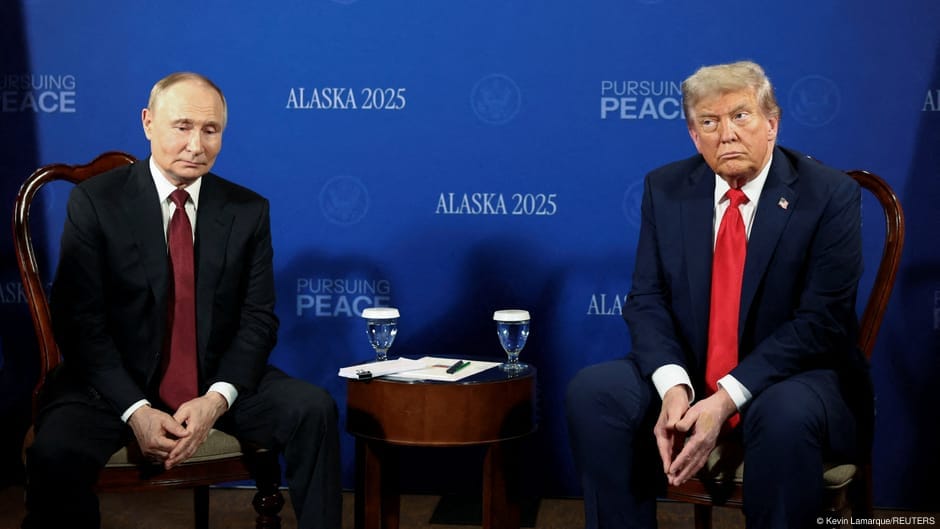
The leaders of the United States, Russia and China are set to meet on the sidelines of the annual Asia-Pacific Economic Cooperation summit in Shenzhen, according to the White House, creating a potentially significant geopolitical event for companies and investors assessing long-term global risks.
The source report identifies the summit date as November 19, while its body describes the meeting as taking place on Thursday, October 19. White House spokeswoman Olivia Wales confirmed the planned gathering after earlier media reports, but the conflicting dates in the account leave the precise timing unclear.
US President Donald Trump, Russian President Vladimir Putin and Chinese President Xi Jinping are expected to use the first trilateral leaders’ meeting involving the three countries to begin work toward a broad nuclear arms-control agreement. A senior US official told CNN that the administration does not expect the discussion to produce a completed accord.
“We do not expect any agreement to be concluded. I would characterize it as an initial stage, as a first conversation — at least at the leaders’ level — between these countries,” the official said.
For financial markets, the absence of an expected agreement makes the meeting more relevant as a signal about future policy direction than as an event likely to produce immediate changes to corporate forecasts. Nuclear arms control, relations among the three powers and the possibility of subsequent negotiations can influence the geopolitical assumptions used in risk disclosures, investment planning and balance-sheet stress tests.
Geopolitical exposure remains central to financial reporting
The talks could also cover the US war against Iran and the situation surrounding North Korea, The New York Post reported, citing a Trump administration representative. Those subjects carry implications for geopolitical risk assessments across energy, shipping, insurance, industrial production and international supply chains, although the source provides no financial estimates or expected policy measures.
Companies with operations or counterparties in exposed regions may follow the summit for indications of diplomatic escalation or de-escalation. Investor-relations teams, meanwhile, could face questions about how geopolitical developments affect revenue assumptions, capital expenditure, financing conditions and asset valuations. The meeting itself does not establish any new accounting requirement, but its outcome could inform the judgments underpinning forecasts and risk commentary in future quarterly reporting.
The war in Ukraine is unlikely to be discussed by the three leaders, according to another US official cited by the newspaper. The official said China was not a participant in that process and that discussing Ukraine in this setting would therefore be inappropriate. The official also said no bilateral meeting between Putin and Trump was planned.
That position contrasts with an October report from The Wall Street Journal, which said Putin had proposed a trilateral meeting with Trump and Xi during the APEC forum in China. According to that report, the Russian leader wanted the three-party format to address conditions for ending Russia’s war against Ukraine without representatives of the European Union or Kyiv taking part.
Trump had said he was prepared to hold such a meeting but wanted its focus to be nuclear disarmament rather than the conflict in Ukraine. The distinction matters for investors attempting to determine whether the summit could alter the outlook for sanctions, trade restrictions or other Ukraine-related exposures. Based on the officials’ comments in the source, the planned meeting is not expected to provide a negotiating channel for resolving those issues.
European participation remains a point of contention
German President Frank-Walter Steinmeier said in an interview with public broadcaster ARD in early November that he had discussed the possibility of a trilateral summit with Xi during an official visit to China. Steinmeier said the Chinese leader emphasized that Beijing was not preparing for Ukraine negotiations at the meeting.
“He separately pointed out that this is a European conflict, and Europeans must be present at the negotiating table,” Steinmeier said.
The comments reinforce expectations that the gathering will center on strategic security rather than a Ukraine settlement. They also suggest that any diplomacy affecting European economic exposure to the war would require a broader negotiating format.
For shareholders and analysts, the summit’s immediate value will lie in the tone of the leaders’ statements, the scope of any follow-up process and signs that the three governments can establish a sustained channel on nuclear arms control. With no agreement expected at this initial stage, companies are unlikely to gain enough certainty to revise financial guidance solely because of the meeting. Even so, any movement toward structured negotiations could eventually affect geopolitical risk premiums and the assumptions used in corporate planning, impairment reviews and investor communications.



