Trump Reports Lack of Optimism Over Hong Kong Media Mogul Jimmy Lai's 20-Year Prison Sentence
US President Trump discussed Jimmy Lai's imprisonment with China's Xi Jinping, highlighting China's firm stance against releasing the media figure.
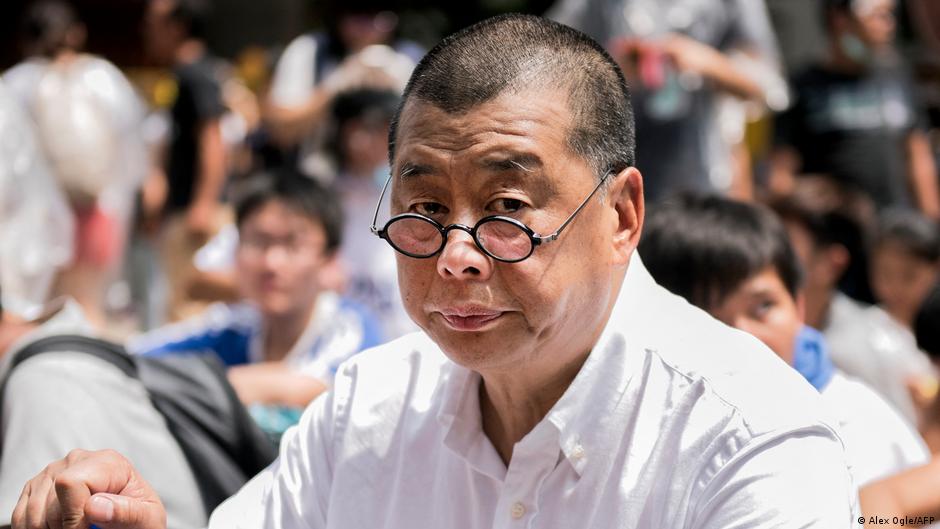
During a recent meeting with Chinese President Xi Jinping in Beijing, US President Donald Trump addressed the case of Jimmy Lai, the Hong Kong media magnate sentenced to 20 years in prison for his role in supporting pro-democracy protests. Trump expressed a lack of optimism about Lai's release, citing a less than positive reaction from Chinese officials.
Financial and Political Implications of Jimmy Lai's Imprisonment
Jimmy Lai, who has been a prominent figure in Hong Kong's media landscape, was convicted in 2026 on charges including "incitement to secession" and "collusion with foreign forces." The 78-year-old was sentenced to two decades behind bars after a prolonged trial that spanned several years. The Chinese government described Lai as harboring "intense hatred" toward the Communist Party, while Lai has consistently denied all charges.
From a financial perspective, Lai's imprisonment has significant ramifications. His media empire, known for its pro-democracy stance, faces increased governmental pressure, potentially affecting investor confidence and the operational viability of his business ventures. The case underscores the risks associated with political dissent in regions where government policy strongly influences market stability.
President Trump remarked, "I did raise the matter with President Xi. But for him, this is a very complex issue." He added, "The response was not the most positive, and I did not come away feeling optimistic about the situation." These comments reflect ongoing tensions between the US and China, especially over human rights and freedom of speech concerns.
"The situation with Jimmy Lai is a complicated one, and the reaction from Chinese authorities was far from encouraging," Trump stated during an interview with Fox News.
In addition to the political fallout, Lai's imprisonment has drawn international attention to the broader implications on Hong Kong's freedom of press and democratic institutions. In April 2026, Lai received the Deutsche Welle Freedom of Speech Award, recognizing his unwavering commitment to democratic principles.
Barbara Massing, CEO of Deutsche Welle, commented that the award honors Lai's "invaluable dedication to democratic values" despite the personal and professional costs he has endured.
Financial analysts note that the crackdown on dissenting voices such as Lai's may impact foreign investment and economic confidence in Hong Kong, given the intertwining of political stability and market performance. For investors, the case highlights the importance of considering geopolitical risks when assessing assets in regions with complex governance environments.