Trump Seeks Meeting with Kim Jong Un at APEC Summit to Revive Nuclear Talks
US President Donald Trump aims to renew negotiations on North Korea's nuclear program during the November APEC summit in Shenzhen.
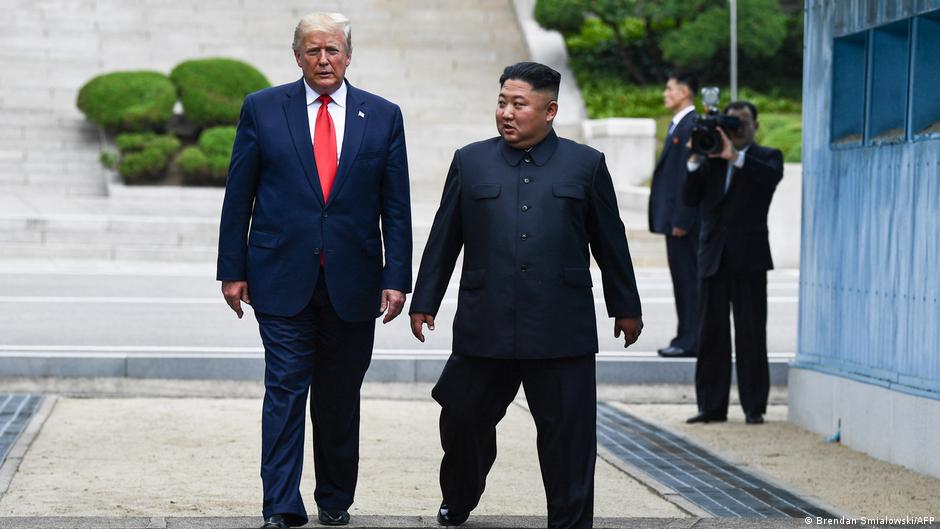
US President Donald Trump is planning to meet North Korean leader Kim Jong Un this fall to restart discussions regarding Pyongyang's nuclear arsenal, according to reports citing US officials. The anticipated meeting is expected to take place in November at the Asia-Pacific Economic Cooperation (APEC) summit in Shenzhen, China.
While official preparations for the meeting have not yet commenced, the intent highlights a renewed diplomatic push amid increasing tensions stemming from North Korea's expanding nuclear capabilities. Earlier this year, Trump announced a reduction in the scale of US-South Korea military exercises and proposed the possibility of a peace agreement with North Korea.
Renewed Diplomatic Efforts Amid Nuclear Expansion
Trump and Kim have met three times during the US president's first term, but negotiations to dismantle North Korea's nuclear infrastructure stalled, leading to a significant growth in the regime's arsenal. Jeffrey Lewis, a nuclear program expert at Stanford University's Center for International Security and Cooperation, told sources that North Korea's nuclear stockpile now likely numbers in the hundreds.
"Judging by the hundreds of demonstrated launch platforms and the increasing annual production of plutonium and highly enriched uranium, North Korea's arsenal probably consists of several hundred units at this point," Lewis said.
Trump had previously expressed interest in talks with Kim during his 2025 Asia tour. Although Pyongyang conveyed willingness to meet, logistical challenges prevented the summit's arrangement. Trump later noted that such a meeting could overshadow his scheduled encounter with Chinese leader Xi Jinping in South Korea.
The possible Trump-Kim summit at APEC signals ongoing efforts to engage North Korea diplomatically despite previous setbacks. Investors and analysts will be closely monitoring the development for its potential impact on regional stability and economic relations in the Asia-Pacific, as well as implications for US foreign policy and security commitments.