Turkey Resumes Vessel Transits Through Straits Amid Black Sea Security Concerns
Turkey has reopened its straits to commercial shipping after temporary restrictions linked to escalating Black Sea attacks.
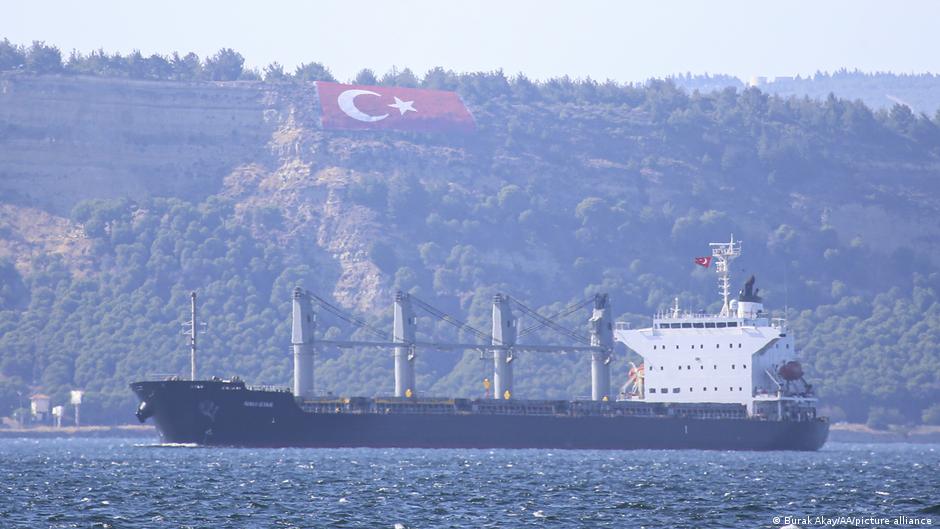
On August 9, Turkey allowed the passage of the oil tanker Aegean Dream and the container ship Mehmet Kahveci A through the Dardanelles Strait, signaling a resumption of maritime transit to Black Sea ports. Both vessels were destined for Novorossiysk, Russia, according to maritime tracking data.
This development follows a temporary restriction imposed by Turkey on August 8, which limited commercial ship movements through its straits due to increased attacks on shipping in the Black Sea region. These restrictions affected vessels headed to both Russian and Ukrainian ports.
Impact on Regional Trade and Security Measures
The Aegean Dream had been waiting near the strait since August 6 before receiving clearance to proceed. The move coincides with Turkey's growing concerns over attacks on merchant vessels in the Black Sea, where drone strikes and missile attacks have escalated amid the ongoing conflict between Russia and Ukraine.
"We are urging all parties, especially the belligerents, to take immediate and concrete measures to ensure safe navigation in the Black Sea," stated Turkey's Foreign Ministry on August 4, emphasizing the broader geopolitical and economic consequences of the maritime insecurity.
Earlier reports indicated that Turkey's Coast Guard had temporarily withheld transit permits for ships bound for Novorossiysk, citing the need for additional time to review applications amid heightened security risks. Turkish officials have not publicly clarified the specific reasons for these restrictions, and the Ministry of Transport did not respond to requests for comment.
The disruption in maritime traffic has significant implications for regional trade, particularly agricultural exports from Ukraine, which have been severely hampered since early July. Russian military strikes on Ukrainian ports and civilian vessels have effectively stalled shipping corridors, forcing reliance on less efficient alternative routes.
According to statements from Ukrainian unmanned systems commanders, 75 Russian tankers have been targeted since early July as part of Ukraine's "MoLoChKa" operation, which aims to disrupt Russian maritime logistics through the Black Sea.
Turkey has engaged diplomatically with both Russia and Ukraine, calling for a moratorium on attacks in the Black Sea to safeguard commercial navigation. Turkish Foreign Minister Hakan Fidan indicated that a series of measures are underway under presidential directives to address the escalating risks.
This maritime transit resumption may provide some relief for trade flows, but ongoing regional tensions and security challenges continue to pose risks to the stability of Black Sea shipping lanes and the broader economic outlook for stakeholders involved in the area.