UAE Conducted Secret Military Strikes on Iran Amid Regional Conflict
Reports reveal UAE’s covert attacks on Iranian oil facilities and escalating tensions impacting Gulf economies.
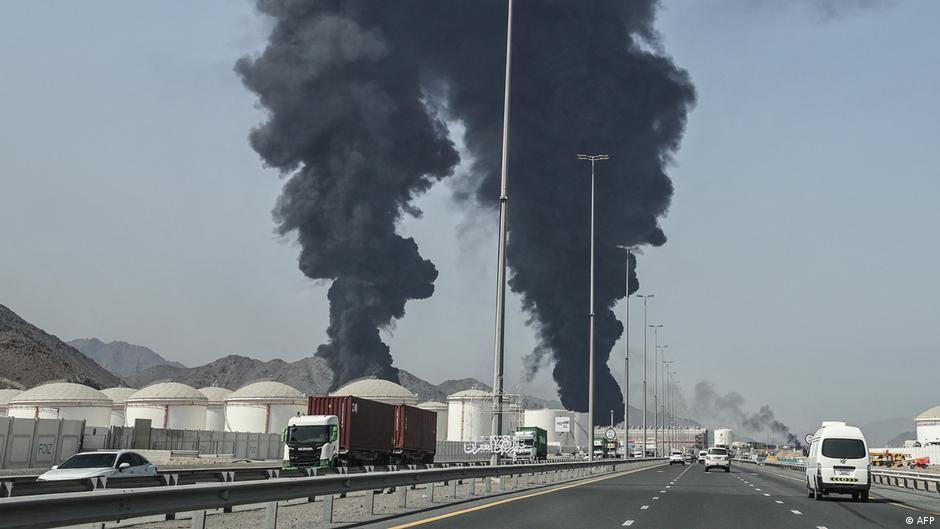
The United Arab Emirates (UAE) has covertly carried out military strikes against Iran, reflecting its active role in the ongoing regional conflict, according to informed sources cited by The Wall Street Journal. These developments have significant implications for investor confidence and economic stability in the Gulf region.
Covert Strikes and Strategic Implications
While the UAE has not officially acknowledged conducting attacks on Iranian territory, sources indicate that one such strike targeted an oil refinery on Iran's Lavan Island in early April. This assault coincided with a brief period when the United States announced a ceasefire with Iran, highlighting the complex geopolitical dynamics at play.
"The UAE is now viewed as an active participant in the conflict, responding to hostile Iranian actions with military force."
Following the attack on Lavan Island, Iran retaliated with a series of missile and drone strikes on the UAE and Kuwait. These hostilities have disrupted critical sectors in the UAE, including aviation, tourism, and real estate, causing widespread economic repercussions. Companies have responded with layoffs and furloughs, reflecting the mounting pressure on the country's labor market and service industries.
The UAE’s Ministry of Foreign Affairs declined to comment on the alleged strike but reiterated the nation’s right to respond to hostile acts, including militarily. The Pentagon also refrained from commenting on the situation, underscoring the sensitive nature of these operations amidst broader U.S. strategic interests in the region.
Economic and Military Context
Since the onset of the conflict, Iran has launched approximately 2,800 drone and missile attacks targeting the UAE, a higher volume than directed against any other country, including Israel. This unprecedented level of aggression has forced the UAE to reconsider its strategic posture and economic dependencies.
Officials from Gulf states emphasize that Iran is increasingly perceived as a pariah, threatening the UAE’s social and economic model that relies heavily on attracting foreign professionals and maintaining a reputation for safety and stability. The ongoing conflict raises concerns about long-term investor confidence and could impact foreign direct investment flows into the region.
On the military front, the UAE boasts a capable air force equipped with advanced platforms such as French Mirage and American F-16 fighter jets. Emirati pilots are recognized for their high level of training, which underscores the country's capability to conduct precise military operations.
Overall, the covert UAE strikes against Iran and the retaliatory attacks have introduced new uncertainties into the Gulf’s economic landscape, potentially affecting regional markets and international investment strategies.