Ukraine Assures Libya After Benghazi Strike Raises Regional Risk
Kyiv said its operation targeted Russian military assets, as Libya reported two deaths and European governments split over the attack.
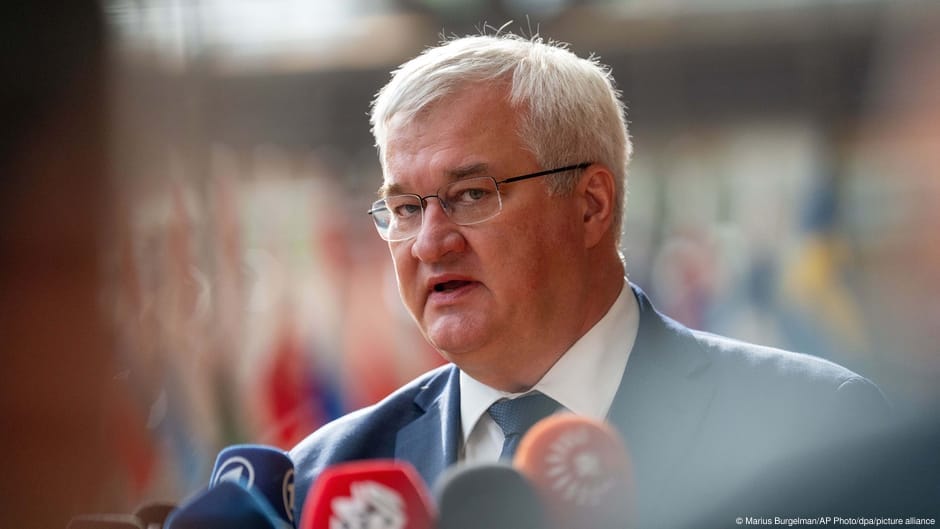
Ukraine has told Libya that it does not intend to extend the war started by Russia into Libyan territory or other countries, seeking to contain the diplomatic and financial risks arising from a Ukrainian operation near Benghazi.
Ukrainian Foreign Minister Andrii Sybiha made the assurance on Thursday, Nov. 26, during a telephone call that he initiated with Taher Salem Al-Baour, Libya’s acting foreign minister. The conversation followed an operation in which Ukraine sank the Russian warship Mercury in the port of Benghazi and struck a cargo vessel near the same port.
Authorities in eastern Libya said two Libyan military personnel died from their injuries after the operation. The Benghazi-based administration, which is not recognized by the United Nations and maintains close relations with Russia, has accused Ukraine of violating Libyan sovereignty.
Libya’s internationally recognized government is based in Tripoli, and Al-Baour is a member of that administration. The Tripoli government has also condemned the Ukrainian attacks, underlining the political sensitivity of military action in a country divided between competing centers of authority.
Diplomatic response targets escalation risk
Sybiha said Ukraine’s actions concerned only Russian military assets that were being directly used in the war. He expressed regret over what he described as unintended consequences and offered condolences to the Libyan people.
“I expressed regret over the unintended consequences and offered sincere condolences to the Libyan people,” Sybiha said.
The Ukrainian foreign minister also reaffirmed Kyiv’s full support for Libya’s sovereignty and territorial integrity, as well as efforts to reunify the country. The message appeared intended to distinguish Ukraine’s military objectives from any broader involvement in Libya’s internal divisions.
For governments, businesses and investors monitoring the region, the episode adds another layer of uncertainty around security in the Mediterranean. The immediate questions center on whether the operation remains an isolated strike against Russian assets or prompts tighter security measures, diplomatic retaliation or further military activity around Libyan ports. Any sustained escalation could affect assessments of shipping exposure, insurance risk and commercial operations, although the parties cited no related financial estimates.
Zelensky details Russian assets targeted
Ukrainian President Volodymyr Zelensky said on Nov. 23 that Ukraine had conducted what he called an exemplary drone operation off Libya’s coast. According to Zelensky, a Ka-27 helicopter aboard the Mercury was destroyed together with the corvette.
Zelensky also said the damaged dry cargo ship MV ANGARA had been used by Russia to transport weapons. Ukraine has therefore framed both vessels as components of Russia’s military logistics rather than ordinary commercial targets.
The eastern Libyan authorities asked the United Nations to investigate the alleged presence of Ukrainian armed forces in western Libya. Their request broadens the dispute beyond damage to individual vessels by raising questions about whether Ukrainian personnel or capabilities are operating inside the country. Kyiv’s statement that it does not seek to transfer the war to Libya was a direct attempt to address those concerns.
European governments divide over the operation
European responses have exposed differences over how far Ukraine’s right to self-defense should extend geographically. French Foreign Minister Jean-Noël Barrot supported Kyiv’s actions, citing Ukraine’s right to defend itself and placing responsibility on Russia for the widening scope of the war.
Italy took a different position. Italian authorities told Ukraine that attacking Russian ships in Libyan waters had been a mistake and warned Kyiv against spreading the war into new territories. German Foreign Minister Johann Wadephul likewise stressed that a geographic expansion of the conflict was unacceptable.
The disagreement matters for Ukraine’s relations with European partners and for the broader calculation of geopolitical risk. France’s response supports Kyiv’s argument that Russian military assets may be legitimate targets even when located far from the main battlefield. The Italian and German statements emphasize the potential costs of widening the theater of operations, particularly when third countries report casualties or violations of sovereignty.
No financial losses, vessel valuations or compensation claims were disclosed by Ukraine, Libya or the European governments cited. The available information therefore does not permit a calculation of the operation’s balance-sheet impact for shipowners, insurers or state entities. Its immediate significance lies instead in the prospect of higher regional risk and the possibility that diplomatic fallout could influence future military, shipping and investment decisions.
Sybiha’s outreach indicates that Kyiv is attempting to limit those consequences while preserving its position that Russian military infrastructure used in the war remains targetable. Whether that distinction is accepted by Libya and Ukraine’s European partners will shape the longer-term political and financial implications of the Benghazi operation.



