Ukraine Imposes Sanctions on 13 Ships and 28 Companies Over Illegal Grain Exports
President Zelensky enacts measures targeting vessels and firms involved in unauthorized grain shipments from Russian-occupied territories.
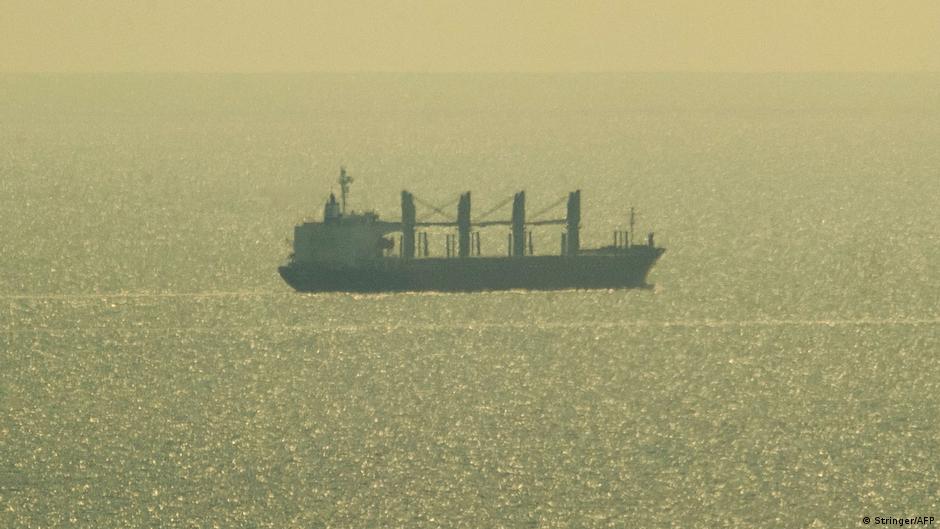
Ukraine has implemented sanctions against 13 ships and 28 companies accused of illegally exporting grain from territories occupied by Russia. The sanctions were formalized through a decree signed by President Volodymyr Zelensky on August 14, 2025.
The decree enforces a decision by Ukraine's National Security and Defense Council to penalize entities involved in unauthorized grain exports. Sanctioned vessels are registered under the flags of Russia (8 ships), Panama (3 ships), Belize (1 ship), and Saint Kitts and Nevis (1 ship). Additionally, 11 Russian citizens and 28 legal entities have been targeted.
Financial and Market Implications of the Sanctions
The Ukrainian government aims to curb the illegal export of agricultural commodities, primarily wheat and sunflower seeds, which undermines Ukraine's economic interests and affects global grain markets. This move also sends a strong signal to investors and international markets about Ukraine's commitment to protecting its supply chains and agricultural assets amidst ongoing geopolitical conflicts.
According to Vladyslav Vlasyuk, Ukraine's presidential envoy on sanctions policy,
"The illegal export of Ukrainian grain from temporarily occupied territories must have consequences for all involved—from companies and owners to captains and vessels."
Ukraine intends to share detailed information with allied countries to coordinate and synchronize sanctions across international jurisdictions, enhancing the effectiveness of these measures. This coordinated approach could influence shipping insurance, financing, and operational risks for the concerned companies, potentially impacting their balance sheets and investor relations.
Earlier, in November 2024, Ukraine imposed sanctions on 56 ships that had illegally accessed Russian-occupied ports, exporting wheat, sunflower seeds, and other food products. These ongoing sanctions reflect the country's efforts to safeguard its economic interests and maintain control over its agricultural exports in a complex geopolitical landscape.
For investors and market participants, these sanctions underscore the importance of monitoring geopolitical risks and regulatory actions that could affect shipping companies, commodity exporters, and related sectors' financial performance.