Ukraine Says North Korea Plans New Troop Transfer to Russia
Kyiv’s latest intelligence claim adds a new geopolitical risk factor for governments and investors tracking the costs of Russia’s war.
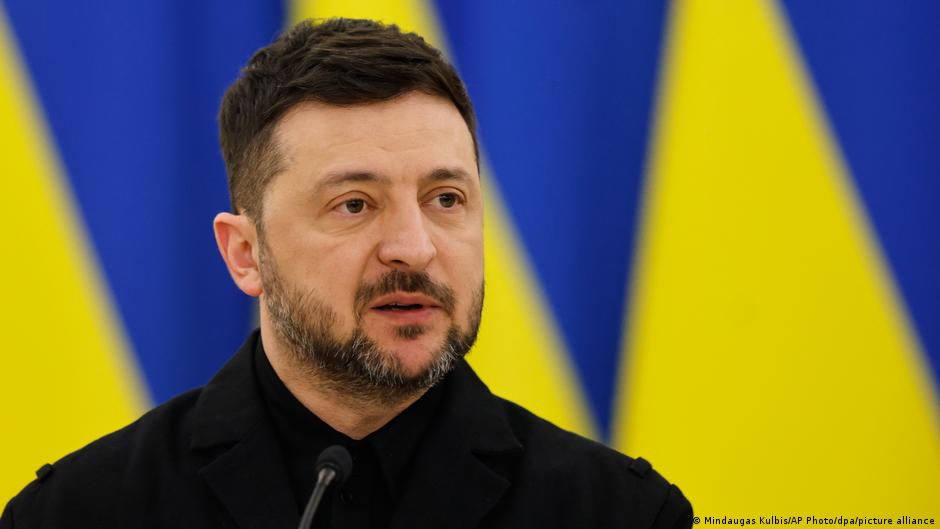
Ukrainian President Volodymyr Zelenskyy said North Korea is preparing to transfer about 10,000 additional troops to Russia, citing new intelligence from Ukraine’s military intelligence directorate. The claim, made in his evening address on Monday, September 28, places renewed attention on the manpower, financing and strategic support behind Russia’s war against Ukraine.
According to Zelenskyy, more than 8,000 North Korean soldiers are already on Russian territory. He said the new contingent is currently being selected for training and later deployment to Russia. The Ukrainian president argued that Moscow intends to expand the recruitment of foreigners for participation in the war against Ukraine.
“It is important that the governments of countries from which Russia attracts people into its army counteract this. We will inform every government,” Zelenskyy said.
For policymakers and investors, the statement highlights a continuing shift in the war’s resource base. Russia’s ability to draw on external manpower, and North Korea’s reported willingness to supply it, may affect assessments of the conflict’s duration, future sanctions exposure, defense spending needs and geopolitical risk premiums. While the claims concern military deployments, the underlying questions are also financial: how the war is funded, what Moscow may be offering in exchange, and how partner governments respond.
Intelligence Claims Point to Expanding War Support Network
South Korean intelligence has estimated that North Korea has already sent about 15,000 military personnel to support Russia in the war. In return, Pyongyang is believed to receive money, military technologies and security guarantees from Moscow. Those reported exchanges underline the financial and strategic dimensions of North Korea’s involvement, even though the precise terms have not been publicly detailed.
Zelenskyy had previously said in August that North Korea intended to place between 30,000 and 50,000 fighters on Russian territory. The latest figure of about 10,000 additional personnel, if realized, would represent another stage in that reported buildup rather than a complete accounting of future deployments. Kyiv has framed the issue as part of a broader pattern in which Russia seeks outside human resources to sustain battlefield operations.
The information cited by Zelenskyy came from a report by the Main Intelligence Directorate of Ukraine’s Ministry of Defense. He described the intelligence as “new data,” but did not disclose supporting documents or provide a detailed timetable for the alleged transfer. The figures therefore remain claims from Ukraine’s leadership, set against separate assessments from South Korean intelligence regarding earlier North Korean deployments.
From a financial reporting perspective, the reported arrangement raises several implications. First, any confirmed deepening of military cooperation between Moscow and Pyongyang could increase the risk of additional sanctions or enforcement actions targeting entities, logistics routes or financial channels linked to the transfers. Second, the suggestion that North Korea may receive money, technology and security guarantees in exchange for personnel points to a compensation structure that extends beyond simple military assistance. Third, the matter could affect defense and security planning among governments watching the war’s spillover effects.
Diplomatic Dispute Adds Investor-Relevant Uncertainty
Zelenskyy’s comments came against the backdrop of a dispute between Kyiv and Seoul that erupted several days earlier. South Korean President Lee Jae Myung sharply criticized Ukrainian authorities after Zelenskyy publicly reported the transfer to Seoul of two North Korean soldiers captured during fighting involving Ukrainian forces in Russia’s Kursk region. Lee said Zelenskyy had violated an agreement on confidentiality.
Zelenskyy’s office responded that no agreement existed between the two countries requiring that the information remain undisclosed. Officials in Seoul called that statement false. On September 28, South Korea’s Foreign Ministry summoned Ukraine’s acting ambassador. According to Yonhap, South Korea’s deputy foreign minister conveyed Seoul’s “firm position” to the Ukrainian diplomat.
The disagreement matters beyond diplomatic protocol. South Korea is a major economy, a key U.S. ally and an important stakeholder in regional security surrounding North Korea. A public rift with Ukraine over sensitive intelligence and captured soldiers could complicate coordination on sanctions, defense cooperation and information sharing. For investors and companies exposed to defense, energy, shipping or emerging-market risk, such disputes can feed into broader assessments of policy cohesion among Ukraine’s partners.
The reported presence of North Korean troops in Russia also broadens the geographic and financial profile of the conflict. If Moscow is increasing reliance on foreign personnel, that could influence the expected cost curve of the war and the durability of Russia’s military effort. If Pyongyang is receiving money and technology in return, the arrangement may strengthen North Korea’s own strategic position while increasing scrutiny of cross-border payments, procurement networks and military technology transfers.
None of the figures cited by Zelenskyy changes the immediate financial statements of public companies or state budgets by itself. But geopolitical risk often enters markets through expectations rather than completed transactions. Reports of additional North Korean troop deployments could affect how governments plan defense outlays, how sanctions authorities prioritize enforcement and how investors price exposure to countries and sectors linked to the conflict.
Kyiv’s latest message is therefore not only a battlefield warning. It is also a signal to foreign governments that Ukraine intends to press countries whose citizens or military personnel may be drawn into Russia’s war effort. Zelenskyy said each government would be informed, suggesting that diplomatic engagement around recruitment and deployment could intensify in the coming days.
The financial consequences will depend on whether the intelligence claims are substantiated, how Seoul and other governments respond, and whether Moscow’s reported arrangements with Pyongyang lead to further sanctions or policy measures. For now, Ukraine is presenting North Korea’s role as a growing component of Russia’s war capacity, while South Korea’s dispute with Kyiv shows how politically sensitive the related intelligence has become.



