Ukrainian Military Reports Damage to Four Russian Navy Ships in Novorossiysk Strike
Ukraine claims significant damage to Russian naval assets and infrastructure during August 12 attack on Novorossiysk port.
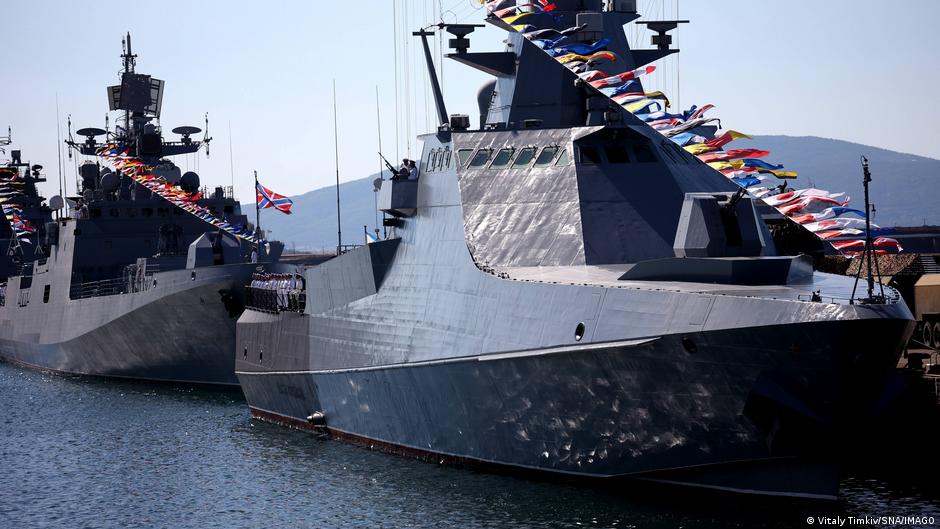
On August 12, the General Staff of the Armed Forces of Ukraine and the Security Service of Ukraine (SBU) announced a successful strike on Russian military vessels and infrastructure in the key Black Sea port of Novorossiysk. According to Ukrainian officials, four Russian Navy ships sustained varying degrees of damage, including two missile-carrying frigates, marking a significant operational impact on Russia's naval capabilities in the region.
Details of the Naval Strike and Infrastructure Damage
The Ukrainian General Staff reported that the frigates Admiral Essen and Admiral Makarov, both equipped with Kalibr cruise missiles, were among the vessels hit. Additional affected ships included the small missile ship Buyan-M and the patrol ship Vasily Bykov. These vessels play a critical role in the Russian Navy’s offensive capabilities along the Black Sea coastline.
The SBU further noted that the strike extended beyond naval targets, hitting several key military and civilian facilities around Novorossiysk. Among these were a radar station part of the S-300 surface-to-air missile system, the Grushevaya oil terminal, a mobile fire support group, and infrastructure servicing three port berths.
"Ukrainian drones, including the Palyanitsa rocket drones, Neptune missiles, and strike systems launched from our maritime platforms, precisely engaged the designated targets," the SBU stated.
Notably, the SBU's statement did not confirm damage to the Buyan-M missile ship, despite earlier mention by the General Staff.
In addition to military targets, Russian grain export infrastructure also suffered. Reports from Russian media and Reuters indicated that the Novorossiysk grain terminal and the Novorossiysk Bread Products Plant (PAO NKHP) sustained damage during the attack, disrupting agricultural export logistics in the region.
Human and Material Losses Reported by Regional Authorities
Veniamin Kondratyev, Governor of Russia’s Krasnodar Krai, announced casualties from the night strike: three fatalities and 24 individuals injured. He also reported damage to approximately 60 residential buildings in Novorossiysk, with additional damage to homes in nearby Gelendzhik, Anapa, and the Temryuk district caused by drone debris. Local officials indicated that "hundreds" of drones were deployed in the region during the attack.
The Grushevaya oil terminal, targeted in the strike, had previously experienced fire damage in early June. This terminal is a critical node, connected by pipelines to the Sheskharis marine terminal, which handles oil loading onto tankers. The facility serves as the terminus for Transneft’s major pipeline network in the Krasnodar region, underscoring the strategic economic significance of the site.
Implications for Russian Naval and Economic Operations
The reported damage to Russian naval vessels and key infrastructure at Novorossiysk represents a tangible disruption to both military and economic assets. The Kalibr-armed frigates are among Russia’s most capable surface combatants in the Black Sea, used for precision strikes against Ukrainian targets. Their impairment could reduce Russia’s operational flexibility and missile strike capacity in the near term.
Moreover, the impact on grain export facilities further complicates Russia’s ability to manage agricultural exports amid ongoing geopolitical tensions. With the Black Sea region remaining a crucial axis for Russia’s trade and military logistics, damage to ports and pipelines may lead to increased operational costs and logistical challenges.
Investors and analysts monitoring regional stability and asset security should consider these developments as signals of escalating risks affecting Russia’s naval and economic infrastructure. The incident underlines the growing role of drone and missile technology in asymmetric engagements, with implications for future conflict dynamics and asset vulnerability assessments.