US Defense Contractors Fear Ukraine Could Reverse-Engineer and Mass-Produce Patriot Missiles
Raytheon and Lockheed Martin express concerns over intellectual property risks as Ukraine seeks licenses to produce and improve Patriot missiles.
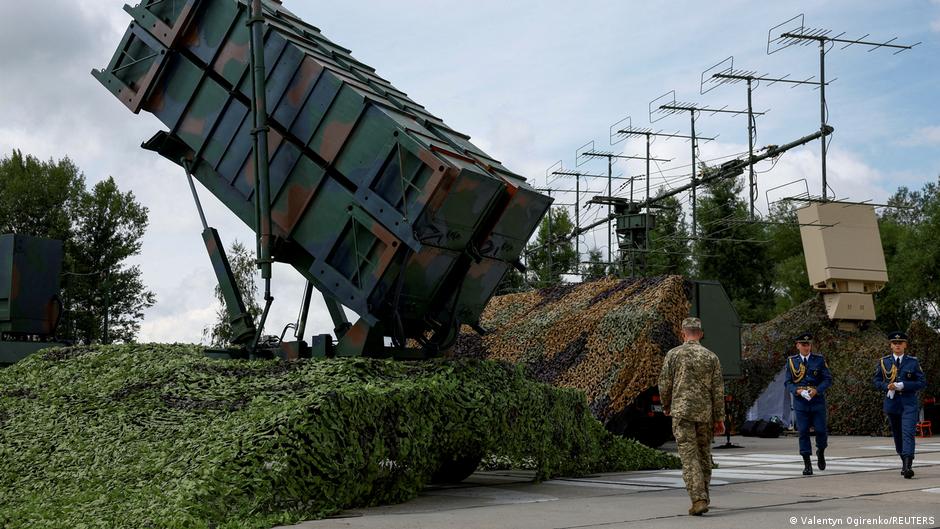
American defense giants Raytheon and Lockheed Martin have voiced apprehensions that Ukraine, if granted licenses to produce Patriot missile interceptors, could enhance the missile technology and subsequently manufacture them at a faster pace and lower cost than US production lines allow. This concern has emerged amid ongoing discussions about transferring missile production rights to Kyiv.
Intellectual Property and Production Fears
According to reports referencing a Republican member of the US Congress who supports licensing Ukraine, these manufacturers officially cite fears of intellectual property theft and unauthorized transfer of advanced technologies as primary reasons for their resistance. Both companies are key suppliers of the Patriot surface-to-air missile system, a critical asset for Ukraine's air defense against Russian aggression.
"The concern is that Ukraine could improve interceptor missiles and start producing them in large volumes more quickly and cheaply than in US factories," the source said.
President Volodymyr Zelensky revealed that he initially requested Patriot missile production licenses from then-President Joe Biden during the first year of the war. While an agreement on issuing these licenses was reportedly reached under former President Donald Trump, bureaucratic delays have stalled the actual issuance. Zelensky emphasized the urgency, noting that the threat is not theoretical paperwork but actual lethal missiles harming people.
Furthermore, Zelensky urged European allies to follow the US lead in licensing agreements, highlighting ongoing cooperation with Europe on related export controls and licensing issues.
US Political and Military Context
Recent reporting indicates that Ukrainian officials presented their licensing proposals to then-Defense Secretary Lloyd Austin and National Security Advisor Jake Sullivan during the Biden administration's final months, but received unexplained refusals. A significant point of contention appears to be Washington's concern that Ukraine could produce surplus Patriot missiles for use beyond the immediate battlefield, potentially disrupting US and allied arms markets.
In response to questions about sending additional Patriot interceptors and long-range missiles to Kyiv, former President Trump stated on August 6 that the US also needs to maintain its stockpiles, accusing the Biden administration of depleting American munitions through extensive aid to Ukraine. Trump claimed that during his tenure, arsenals were fully stocked, but subsequent aid deliveries to Ukraine, valued at $300 billion, have significantly reduced US reserves, necessitating replenishment with new munitions.
The conflict underscores the balancing act the US faces between supporting Ukraine’s defense requirements and safeguarding its own military readiness and technological advantages. The debate over licensing Patriot missile production highlights broader challenges in managing international defense technology transfers amidst a protracted war.