US Disables Cargo Ship in Gulf of Oman as Strait Tensions Hit Energy Markets
CENTCOM said the Panama-flagged M/V Ocean Molica was stopped after ignoring blockade warnings, while a tanker was struck in the Strait of Hormuz.
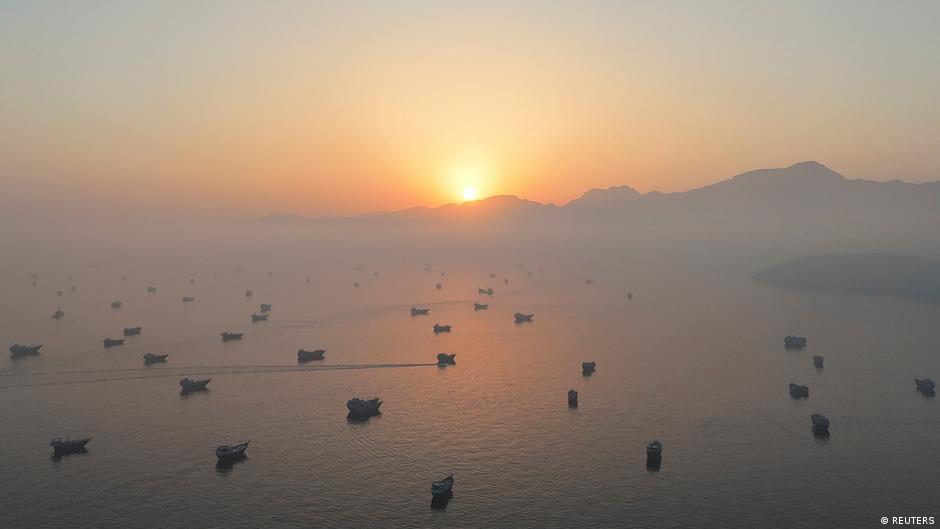
U.S. forces disabled a commercial cargo vessel in the Gulf of Oman on October 10, escalating maritime pressure around Iran at a moment when energy markets and political risk are already under strain. According to U.S. Central Command, a U.S. Air Force fighter used a precision munition to strike the stern of the M/V Ocean Molica, also known as the Arika Sun, after its crew allegedly ignored repeated warnings and attempted to break an active maritime blockade against Iran.
CENTCOM said the Panama-flagged vessel had previously departed an Iranian port. The strike fully disabled the ship’s propulsion system, while the crew was unharmed, the command said in a statement released on X. The reported disabling of the vessel adds another data point for investors and energy-market participants tracking shipping risk in one of the world’s most sensitive oil and fuel transit corridors.
CENTCOM said crews should heed blockade warnings, after reporting that the Ocean Molica ignored repeated notices and tried to breach the blockade.
The operation follows the July 14 resumption by CENTCOM forces of a U.S. blockade applying to all vessels entering or leaving Iranian ports. Over the past three months, four commercial vessels have been disabled, 135 ships have been forced to turn around and change course, and U.S. forces have destroyed 10 tankers linked to what was described as the shadow network of Iran’s Islamic Revolutionary Guard Corps.
Shipping Risk Moves Back Into the Market Narrative
For financial reporting desks, the significance of the incident extends beyond the immediate military action. The Gulf of Oman and the Strait of Hormuz sit at the intersection of shipping insurance, fuel pricing, refinery margins, transport costs and investor expectations for companies exposed to energy and logistics. Any sustained disruption in these waters can quickly feed into corporate outlooks, especially for airlines, shippers, refiners, industrial groups and consumer-facing businesses sensitive to fuel costs.
The latest CENTCOM action also coincided with a separate security incident in the Strait of Hormuz. The United Kingdom Maritime Trade Operations organization said a tanker was again fired upon in the strait. According to the captain, the vessel was hit on its port side by an unknown projectile, causing a fire. UKMTO said the crew was safe.
The renewed attack underscores the operational risk facing tankers and cargo ships moving near Iran. While the reported incidents did not include crew casualties, the financial implications may still be material if shipowners, insurers and charterers reassess route risk, premiums, delays and contract exposure. In prior periods of heightened tension around Hormuz, markets have closely watched whether isolated attacks turn into a broader pattern affecting energy flows and freight rates.
G7 Pressure and Political Costs
The maritime escalation follows a broader diplomatic backdrop. On October 2, G7 leaders condemned what they described as continuing attacks by Iran on neighboring countries, as well as actions violating international trade, energy security and the global economy. The group called for the immediate and full restoration of navigational rights and principles in the Strait of Hormuz and said it intended to strengthen collective efforts toward that goal.
Those statements place maritime security directly inside the financial-policy conversation. The G7 framing links regional military activity with international trade, energy security and the global economy, all of which are central to corporate reporting and investor relations. Companies with exposure to fuel, shipping and supply chains may face more questions from analysts about risk controls, hedging, logistics costs and the resilience of quarterly guidance if tensions continue.
Fuel prices have risen significantly again in recent weeks against the backdrop of the war with Iran. That increase has intensified pressure on Republicans roughly a month before the U.S. congressional midterm elections, where recent polls indicate their popularity among voters has declined.
For public companies, higher fuel prices can move quickly through income statements. Transport and distribution costs can compress margins, while energy producers may see revenue benefits depending on pricing, production and realized sales. Consumer companies often face a more complex trade-off: higher input costs, weaker household purchasing power and a more difficult environment for passing price increases through to customers.
The political timing also matters for markets. Investor relations teams often monitor election risk when it can affect fiscal policy, sanctions, defense spending, energy regulation or trade flows. With fuel prices rising and maritime tensions intensifying, companies reporting quarterly results may face more scrutiny over assumptions embedded in forecasts, especially if their balance sheets carry high leverage or their operating models depend heavily on predictable transport costs.
The Ocean Molica incident therefore lands as both a military development and a financial risk marker. CENTCOM’s figures on disabled vessels, diverted ships and destroyed tankers point to a sustained enforcement campaign rather than a single isolated action. At the same time, the tanker fire reported in the Strait of Hormuz reinforces the market concern that shipping lanes tied to energy security remain exposed.
For investors, the immediate question is whether these events remain contained or begin to alter pricing expectations across fuel, freight, insurance and risk premiums. For companies preparing quarterly updates, the key issue is how clearly management can quantify exposure to higher fuel costs, explain contingency planning for disrupted routes and defend guidance if geopolitical pressure continues to build around the Gulf of Oman and the Strait of Hormuz.



