US Imposes Up to 100% Tariffs on Imported Drones and Components to Protect National Security
Trump administration enacts steep tariffs on large and thermal imaging drones amid security concerns and supply chain vulnerabilities.
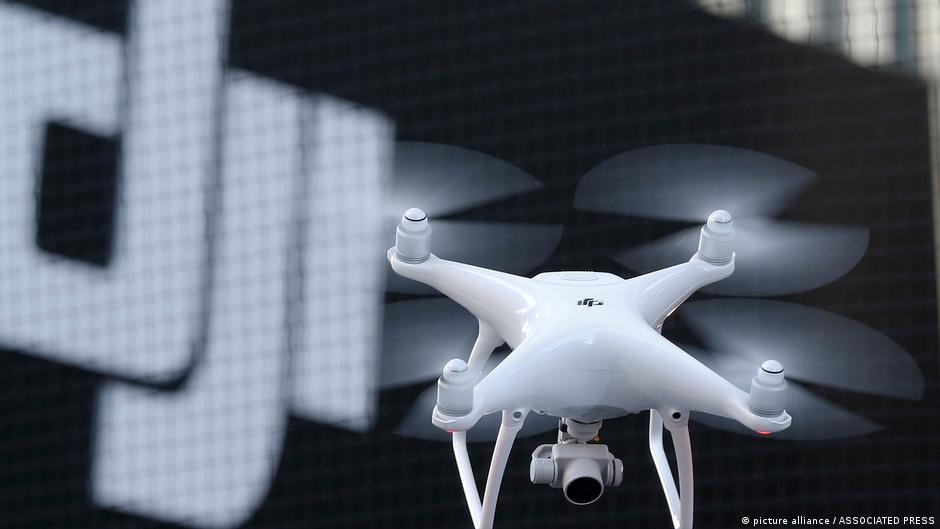
On August 13, US President Donald Trump signed a proclamation imposing tariffs on the import of drones and their critical components. The White House announced that tariffs would reach 100% on drones exceeding 25 kg in maximum takeoff weight equipped with thermal imaging systems, as well as on associated docking stations and essential parts.
Tariff Structure and Implementation Timeline
The new measures set a 100% tariff for unmanned aerial vehicles (UAVs) of specific sizes and capabilities deemed critical to national security. Drones weighing 25 kg or less will face a 25% tariff. Furthermore, imports from key US allies including the European Union, Japan, South Korea, Switzerland, Taiwan, and Liechtenstein will be subjected to a reduced tariff rate of 15%. Imports from the United Kingdom will incur a 10% tariff.
These tariffs will come into effect 21 days following the proclamation's signing. However, for drone components considered less critical to national security, tariffs will be implemented after 180 days.
National Security and Supply Chain Considerations
"Drones represent a key technology in modern armed conflicts and are vital for current and future US military operations. The US reliance on foreign suppliers for critical drone components poses significant national security and cybersecurity risks," the White House statement explained.
The administration emphasized the imperative to rapidly expand domestic drone manufacturing capacity to mitigate these vulnerabilities.
Concerns about foreign dominance in drone technology have grown amid reports highlighting China’s prevailing role in the drone manufacturing sector. Recent investigations revealed that British naval reconnaissance drones contained Chinese components that transmitted data back to China, raising espionage concerns.
Additionally, data from Bloomberg in February uncovered that China has been exporting drones to Russia via Thailand, with Russian imports amounting to $125 million in unmanned aerial vehicles over an 11-month period in 2025. These developments underscore the strategic implications of drone supply chains and the necessity for the US to secure its own production capabilities.
Financial Impact and Industry Outlook
The introduction of tariffs is expected to affect the pricing, supply chain logistics, and competitive positioning of drone manufacturers and suppliers. Companies relying heavily on foreign components, especially from China, may experience increased costs and disruptions. Conversely, US-based manufacturers could see a strategic advantage as demand shifts toward domestically produced drones and parts.
Investors and stakeholders should monitor how these tariffs influence quarterly earnings reports, cost structures, and long-term capital expenditures within the drone industry and related sectors.