US-Iran Negotiations Strained as Trump Threatens Oman Amid Strait of Hormuz Dispute
President Trump warns Oman of military action over its role in Iran-US negotiations on the strategic Strait of Hormuz.
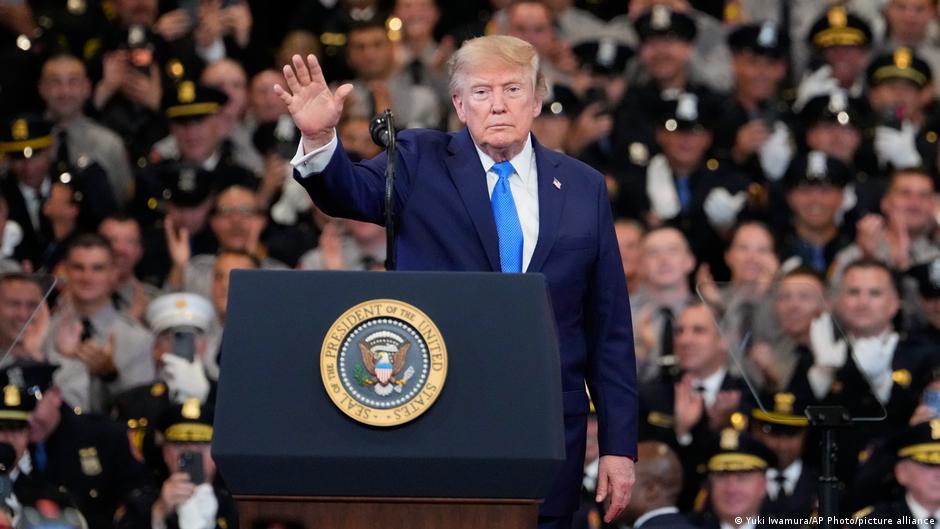
On August 17, President Donald Trump issued a stark warning to Oman, threatening military action if the Sultanate interferes with ongoing negotiations between Washington and Tehran concerning control over the Strait of Hormuz. The strait is a critical maritime chokepoint through which approximately one-fifth of the world's oil supply was transported prior to escalating regional tensions.
Geopolitical and Economic Stakes of the Strait of Hormuz
The Strait of Hormuz has long been a focal point of strategic and economic interest. Currently, Oman is engaged in talks with Iran to establish joint oversight over shipping lanes through the strait. However, consensus has yet to be reached, raising concerns over the security of oil exports and maritime commerce in the region.
"If Oman interferes with the talks between Washington and Tehran, the US will 'bomb the stupidity' out of it," Trump stated in an interview with Fox News.
This confrontational stance comes amid the expiration of a 60-day negotiation period established by a Memorandum of Understanding signed by Trump at the G7 summit in June. The agreement sought to facilitate progress on sanctions, Iran's nuclear program, and other contentious issues. Despite efforts, no definitive breakthroughs have materialized.
Adding to the tension, military engagements resumed prior to the negotiation deadline. In July, Iran launched attacks on multiple vessels transiting the strait. The US responded with airstrikes targeting Iranian infrastructure, aiming to diminish Tehran's capacity to threaten commercial navigation. Iran, in turn, carried out strikes against military bases in neighboring Gulf countries, emphasizing their focus on American facilities.
On the diplomatic front, Turkish President Recep Tayyip Erdoğan engaged directly with Trump on August 17. Erdoğan advocated for continued dialogue and offered Ankara's mediation to de-escalate the situation. Their conversation also covered related security concerns in the region, including the Gaza conflict, a defense pact involving Turkey, Saudi Arabia, and Pakistan, and bilateral US-Turkey relations.
The escalating tensions around the Strait of Hormuz have significant implications for global energy markets and investor confidence. Disruptions in this vital corridor could exacerbate volatility in oil prices, impact trading volumes, and challenge the financial outlook of energy-dependent economies.
Financial analysts and market participants will closely monitor further developments in US-Iran negotiations and Oman’s role, as any shifts could materially influence risk assessments and the strategic positioning of stakeholders involved in the region’s energy supply chain.