US Orders Significant Reduction in Joint Military Exercises with South Korea Amid Strategic Reassessment
President Trump mandates cuts to costly US-South Korea drills, citing financial burden and shifting geopolitical priorities.
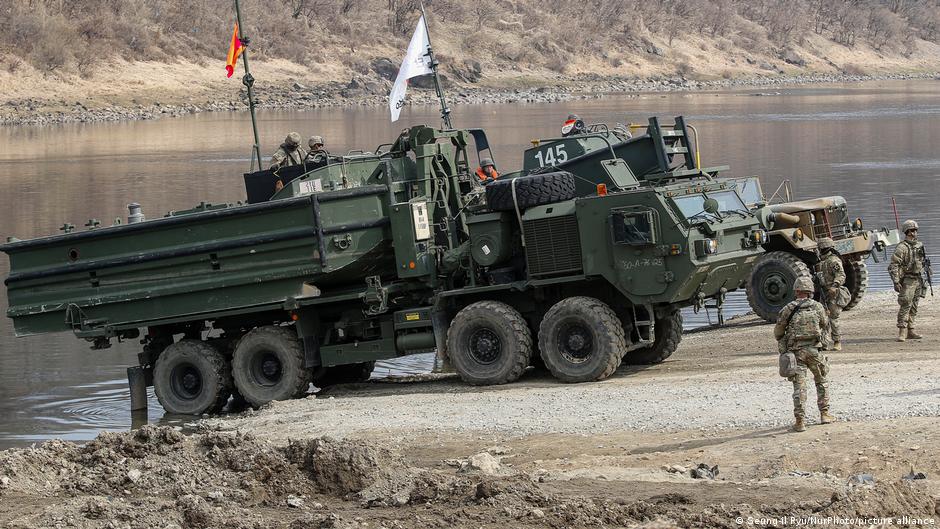
The United States has announced a substantial reduction in the scale of its joint military exercises with South Korea, signaling a shift in defense spending and strategic priorities. President Donald Trump issued the directive to Defense Secretary Mark Esper, emphasizing concerns over the financial costs and diplomatic implications of the drills.
Financial Burden and Strategic Rationale
In a statement released via his social media platform, President Trump underscored the high expenses borne primarily by the US in conducting these operations. The joint exercises, known as Ulchi Freedom Shield, are scheduled to last 11 days and traditionally serve to prepare allied forces for potential aggression from North Korea.
"These exercises are not only expensive, with the US shouldering the majority of the costs (as usual!), they also send a hostile signal to a country that has posed no threat during my presidency," Trump wrote, referring to North Korea.
The president also referenced South Korea's refusal to support recent US-led efforts against Iran, suggesting a reevaluation of the US-South Korea defense partnership's terms amid evolving international dynamics.
Implications for US Military Presence and Regional Security
Currently, approximately 28,500 US troops are stationed in South Korea, underpinning a decades-long alliance established after the Korean War. The annual joint exercises aim to maintain readiness against threats from the North, which remains technically at war with the South following an armistice agreement in 1953 without a formal peace treaty.
South Korean President Yoon Suk-yeol, who took office last year, has pursued diplomatic engagement with North Korea. On August 15, he extended an invitation to Pyongyang for peace talks, though no response had been recorded at the time of this report.
The scaling back of military drills raises questions about the future posture of US forces on the peninsula and potential impacts on deterrence and regional stability. It also reflects the administration's broader approach to balancing defense commitments with fiscal constraints and diplomatic outreach.