US President Trump Proposes Claiming Strait of Hormuz as US Territory Amid Ongoing Conflict
Trump suggests indefinite military presence in Strait of Hormuz to control oil route, intensifying US-Iran tensions.
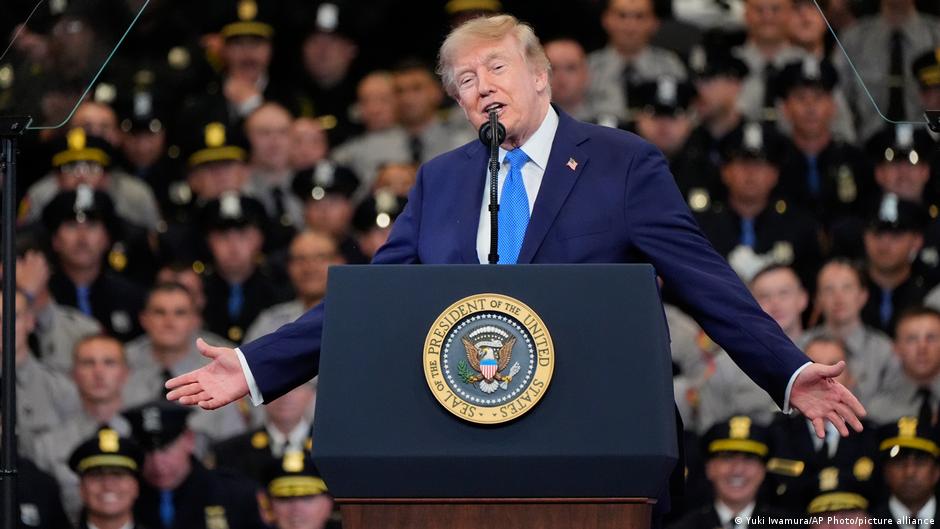
US President Donald Trump announced plans to declare the Strait of Hormuz as American territory following a projected victory over Iran. Speaking at a police academy event in New York on August 15, Trump emphasized that US forces currently control the waterway, effectively blocking ports in the Islamic Republic.
The Strait of Hormuz is a critical maritime passage for global oil shipments, and its control has significant implications for global energy markets. Reuters reports that Iran also claims to have blocked the strait, with shipping disruptions ongoing since the onset of hostilities between the US and Israel against Tehran earlier this year.
Strategic and Financial Implications of Control Over the Strait
Trump did not clarify the legal or diplomatic framework underpinning his statement regarding the strait as US territory. Officially claiming sovereignty over the strait would necessitate a permanent military deployment in the region, marking a significant shift from previous US assertions that any conflict with Iran would be short-lived.
Historically, Trump has expressed interest in expanding US control over strategic assets, including Greenland and the Panama Canal, and has referred to Venezuela as the "51st state." Such proposals underscore a broader strategy of securing critical global chokepoints and resources to bolster US geopolitical and economic interests.
"The Islamic Republic will not succumb to threats and shows of force from the US," stated Iranian Deputy Foreign Minister Qasem Garibabadi in response to Trump's announcement.
The ongoing disruption of the Strait of Hormuz has already contributed to a global reduction in oil supplies, exacerbating market volatility. Iran has issued new demands for reopening the strait, including compensation for damages caused by the conflict and the lifting of sanctions.
Despite escalating rhetoric, Trump insists that US military forces maintain control over the strait. Recently, he claimed that American troops have cleared mines from the waterway. The President also advocates increased economic pressure on Tehran, suggesting that such measures could compel Iran to negotiate concessions more effectively than further military strikes.
For investors and market participants, the prospect of permanent US military presence in the Strait of Hormuz signals heightened geopolitical risk, with potential long-term impacts on oil supply security and global energy prices. Monitoring developments in this strategic region remains critical for assessing future market dynamics and investment risks.