US Removes Syria from State Sponsors of Terrorism List, Opening Economic Opportunities
Washington’s decision to lift sanctions and delist Syria signals a shift toward economic reintegration and investment prospects.
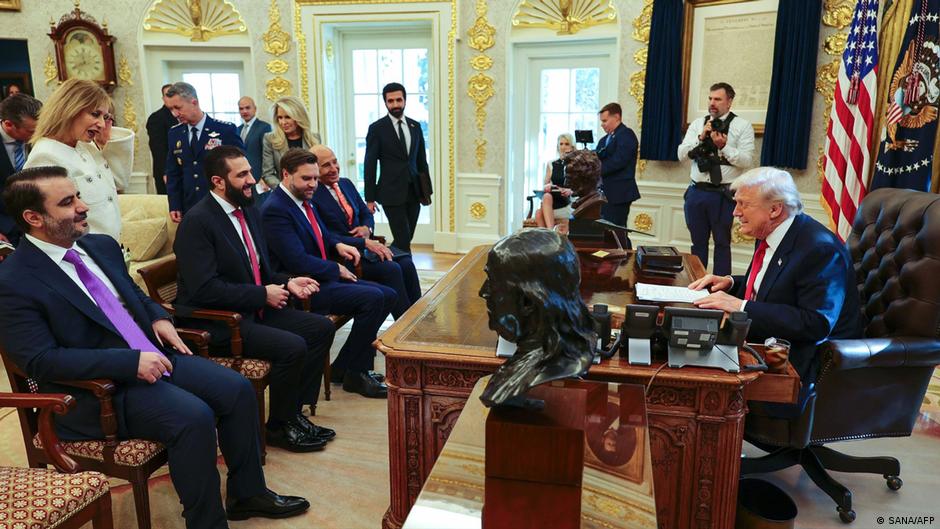
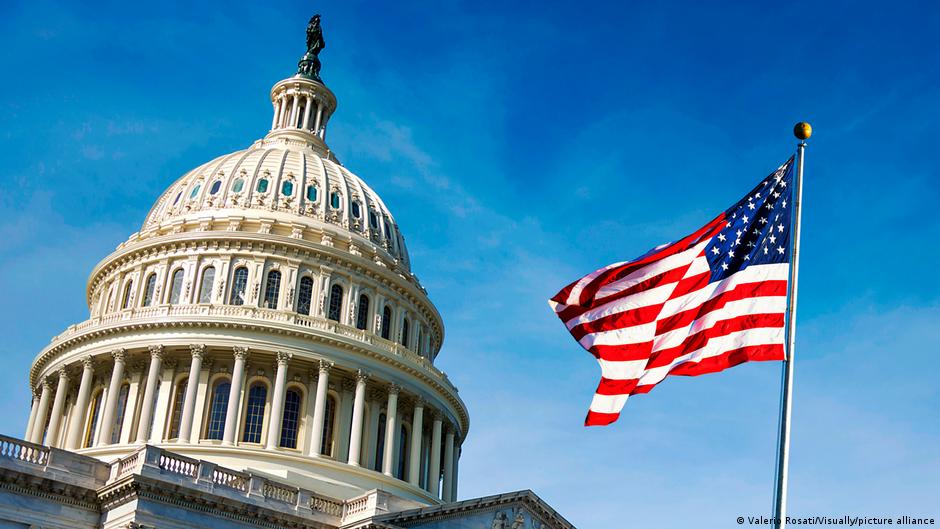
The United States Department of State has officially removed Syria from its list of state sponsors of terrorism, ending nearly five decades of designation. This pivotal move coincides with the lifting of sanctions against the Hayat Tahrir al-Sham (HTS) group, which assumed control after the fall of the Assad regime in late 2024.
In a press release published on August 24, the US Treasury Department highlighted the steps taken under the Trump administration to normalize relations with Damascus and to encourage economic stabilization and growth within Syria.
Financial and Economic Implications
Scott Bessent, head of the Treasury, emphasized the administration’s commitment to providing the Syrian people an opportunity for economic renewal. He stated, "The measures implemented today are designed to attract additional investment into Syria, strengthening both political and economic stability." The removal of Syria from the sanctions list opens pathways for international investors and financial institutions to re-engage with the Syrian economy, which has long been constrained by restrictive measures.
"This is a historic success for Syrian diplomacy and a crucial step toward integrating Syria into the global financial system," said Syria’s interim Finance Minister, Mohammed Barnia.
The decision follows the overthrow of the Assad dynasty, which ruled Syria for over 50 years, and the subsequent rise to power of HTS and its leader, interim President Ahmed al-Sharaa. Since assuming control, the new Syrian authorities have fostered improved ties with Western nations, including Germany and the United States. In June 2025, President Trump had already revoked a majority of sanctions against Syria, signaling a clear policy shift.
Interim Syrian Foreign Minister Assad al-Shaibani called the US decision an "important milestone" and pledged to continue efforts to overcome the legacy of isolation by cultivating transparency, mutual interests, and respect in international relations.
Investor Relations and Market Outlook
The removal of Syria from the terrorism sponsors list not only enhances the nation's geopolitical standing but also significantly improves investor confidence. Access to international capital markets and modern technology transfers could accelerate reconstruction and economic diversification.
Tom Barrack, the US Special Representative for Syria, described the delisting as "a decisive move from isolation to partnership, and from a source of terrorism to an active partner in global counterterrorism efforts." This reframing is likely to attract foreign direct investment, which is critical for rebuilding Syria's war-torn infrastructure and revitalizing its industries.
Despite improvements in relations with the West, Syria’s regional ties remain complex, particularly with Israel. Recent geopolitical tensions include Israeli airstrikes on Syrian airfields purportedly to prevent Turkish military deployments, and ongoing disputes over the Golan Heights — a territory under Israeli control but internationally recognized as occupied Syrian land.
These regional dynamics may influence the pace and nature of foreign investment and international partnerships. However, the current focus on economic normalization represents a strategic opportunity for Syria to stabilize and grow its financial metrics after years of conflict and sanctions.
In summary, the US government's removal of Syria from the terrorism sponsors list and easing of sanctions mark a transformative moment in Syria’s economic reintegration. For investors and financial analysts, this development signals new opportunities in emerging markets, with potential for growth in sectors such as infrastructure, energy, and manufacturing as Syria seeks a path back into the global economy.