US Senate Approves Comprehensive Sanctions Package Targeting Russian Energy and Officials
The US Senate passed a broad sanctions bill aimed at cutting Russian revenue from energy exports, with strong support from EU and Ukrainian leaders.
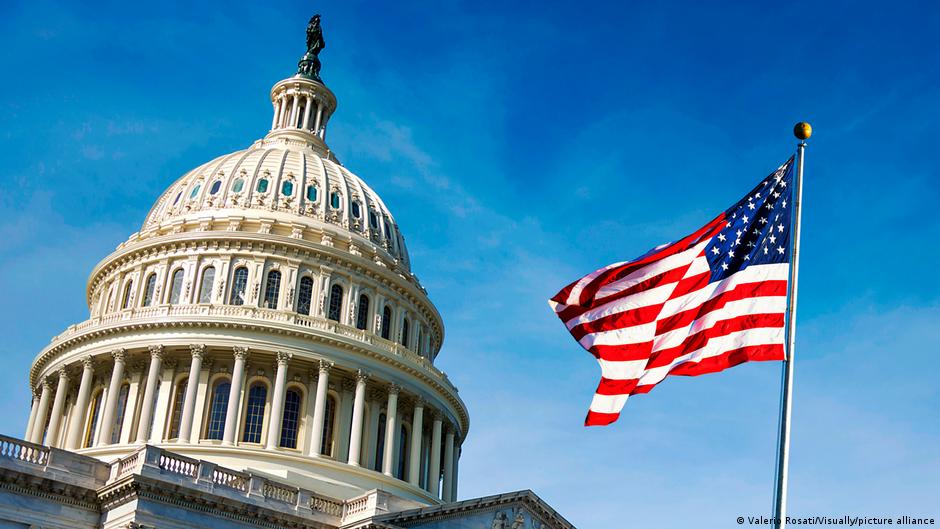
The US Senate overwhelmingly approved a sweeping sanctions package against Russia, focusing on restricting revenues from Russian energy exports and targeting key officials and oligarchs. The legislation, named after late Senator Lindsey Graham, received bipartisan support with an 86-11 vote.
Details and Reactions to the Sanctions Legislation
The newly approved sanctions aim to impose restrictions on the Russian government’s ability to finance its ongoing conflict in Ukraine. The package targets Russian President Vladimir Putin, senior government officials, oligarchs, financial institutions, and the so-called "shadow fleet" used to circumvent export restrictions on oil.
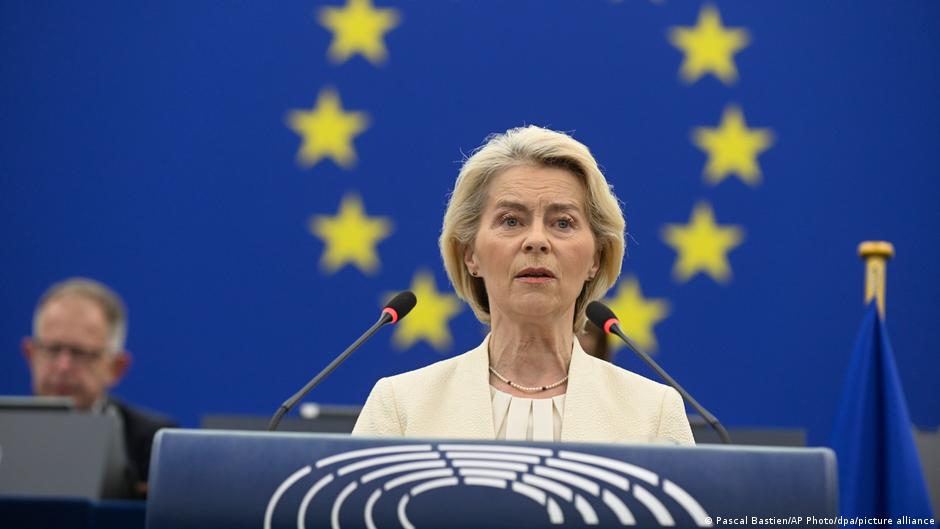
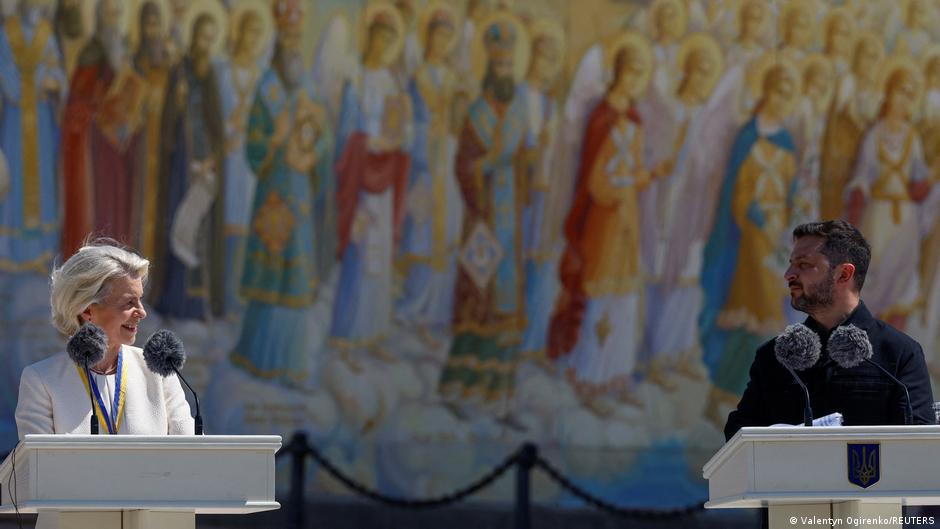
European Commission President Ursula von der Leyen welcomed the Senate vote, emphasizing the importance of coordinated pressure on Russia. "In light of the EU’s 21st sanctions package, I welcome the Senate’s approval of the Lindsey Graham sanctions bill," she said on social media. "Together, Europe and the United States can deprive Russia of the resources necessary to continue a war it cannot win," she added.
"With tough and mutually reinforcing sanctions, Europe and the United States can again demonstrate what historic partners can achieve when acting together." – Ursula von der Leyen
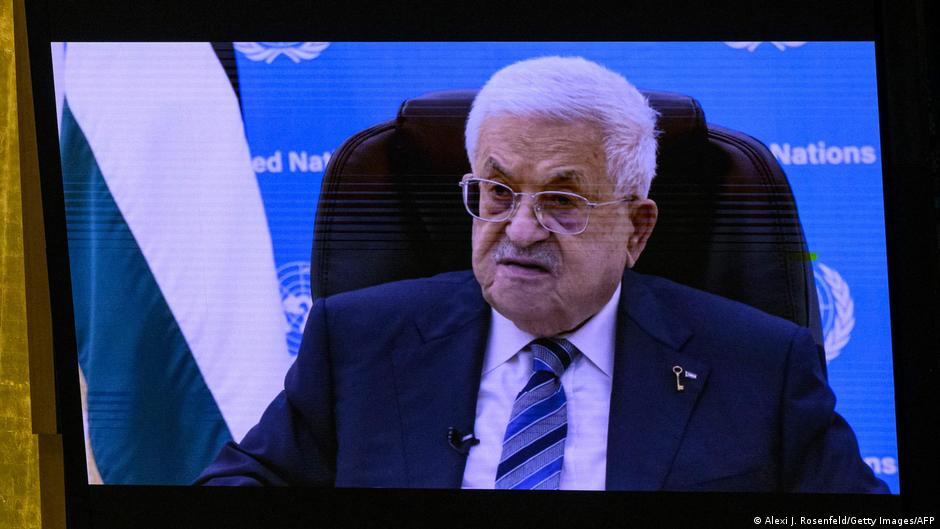
Ukrainian President Volodymyr Zelensky also expressed gratitude, noting that the sanctions further increase pressure on Moscow to end its aggression. "The adoption of the Lindsey Graham sanctions bill against Russia and Iran undoubtedly helps strengthen pressure on the aggressor to end this insane Russian war against our independence and people," Zelensky stated in a Telegram message.
However, Zelensky reminded that Ukraine urgently needs Patriot missile systems for air defense, a request recently denied by former US President Donald Trump. He highlighted the critical importance of all signals supporting Ukraine’s defense and a swift conclusion to the war, especially as Russia intensifies ballistic missile attacks.
While the Senate has approved the legislation, it will now be forwarded to the House of Representatives. Due to the summer recess, a vote in the House is not expected before early September.
Implications for Energy Markets and International Trade
The sanctions package grants the US president authority to impose tariffs of up to 100% on goods from countries that continue to purchase significant amounts of Russian oil and gas. However, the bill includes exemptions for nations sourcing less than 15% of their natural gas from Russia and those actively reducing their imports.
By targeting Russia’s energy sector—a vital source of income for Moscow—the legislation seeks to significantly reduce Russia’s funding capacity for the war effort. The coordinated approach between the EU and US reflects a continued effort by Western allies to enhance economic pressure on Russia while managing energy supply risks for partner countries.
Senator Lindsey Graham had championed this sanctions initiative for over a year before his passing in July. The bill bearing his name represents a significant escalation in the US legislative response to Russia’s actions in Ukraine.