US Supreme Court Allows Trump to Proceed with White House Ballroom Construction
The Supreme Court temporarily blocks lower courts’ orders halting Trump’s renovation project including a ballroom and military bunker.
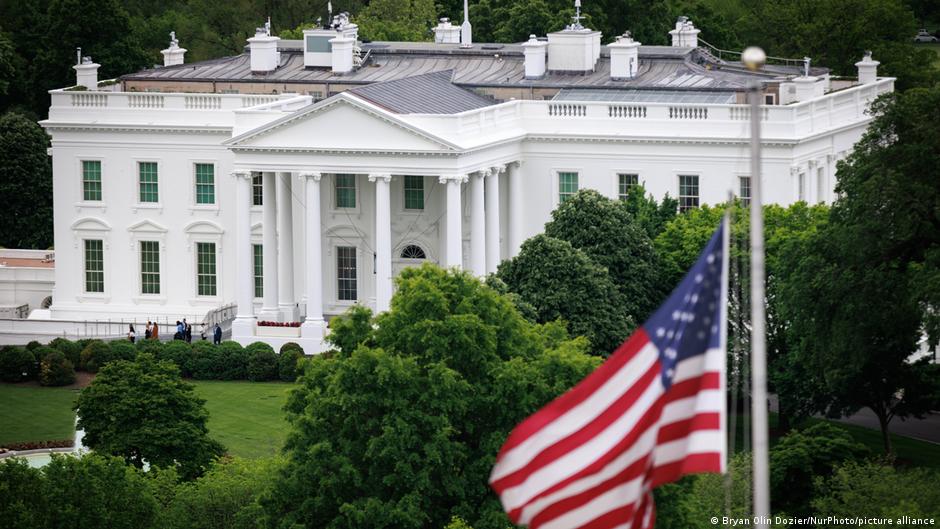
The US Supreme Court has granted President Donald Trump permission to continue with the extensive renovation of the White House, which includes the construction of a ballroom and a military bunker. The decision comes after a series of legal challenges that sought to halt the project.
Legal Battle Over White House Renovation
On August 21, Supreme Court Chief Justice John Roberts issued a temporary stay against rulings from lower courts that had ordered a halt to the renovation work. The Federal Appeals Court in Washington had previously barred Trump from proceeding, arguing that the current administration does not have "unlimited authority" to redesign and reconstruct the White House according to the personal preferences of the president.
However, the Trump administration contested this ruling. President Trump stated that the complex, which includes the ballroom and military bunker, "will be the greatest structure of its kind" and emphasized its significance for national security.
Last year, without Congressional approval, the president ordered the demolition of the historic East Wing of the White House to make way for the ballroom and bunker development.
"This project will not only enhance the White House’s functionality but also reinforce national security infrastructure," said President Trump.
This ambitious renovation is part of President Trump's vision to transform Washington by the end of his second presidential term in January 2029. According to reports, he also plans to reconstruct the Reflecting Pool area to build a 76-meter triumphal arch, nearly three times the height of Berlin's Brandenburg Gate.
Financial Implications and Investor Relations
While the project is primarily political and architectural, the financial aspects cannot be overlooked. The extensive reconstruction involves significant government expenditure, with potential impacts on federal budgets and long-term maintenance costs. The absence of Congressional approval raises questions about fiscal oversight and transparency, which are critical for investors monitoring government spending and economic policies.
Furthermore, the Supreme Court’s intervention underscores the ongoing tension between executive authority and judicial review, factors that can influence market confidence and governmental stability. Investors and financial analysts will be closely watching how this legal decision affects federal project funding, budget allocations, and related economic indicators.