US Treasury Confirms No Further Extensions for Sanctions Exemptions on Russian and Iranian Oil
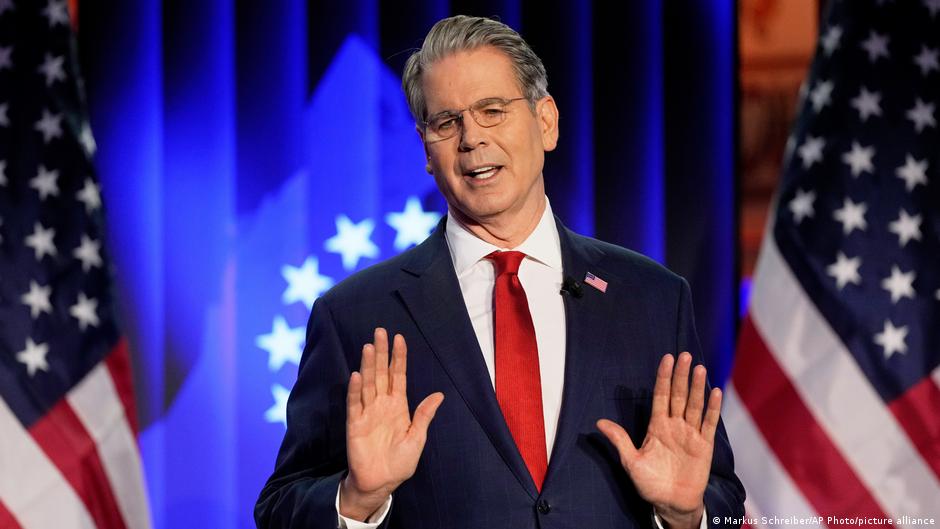
US Treasury Secretary Scott Bessent announces end of temporary sanction waivers on Russian and Iranian oil shipments amid geopolitical pressures.
The United States Department of the Treasury has declared that it will not extend the temporary sanctions exemptions that allowed the purchase of Russian and Iranian oil products already en route at sea. This decision marks a significant shift in the enforcement of sanctions related to energy exports amid ongoing geopolitical tensions.
End of Temporary Sanctions Relief for Vulnerable Nations
In an interview published on April 24, US Treasury Secretary Scott Bessent confirmed that Washington will not renew the one-time exemptions previously granted to facilitate the purchase of Russian and Iranian oil cargoes already loaded on tankers. These exemptions were initially provided to support over ten of the world’s most vulnerable and impoverished countries, as requested during recent meetings of the World Bank Group and the International Monetary Fund (IMF) in mid-April.
“It was done for these vulnerable and poor countries. But I cannot imagine that we will have another extension. I think that most of the Russian oil at sea has already been exhausted,” Secretary Bessent explained.
The decision underscores the US administration’s intent to tighten sanctions enforcement despite previous concerns about the impact on economically fragile nations dependent on these energy supplies.
Implications for Iranian Oil Production
Secretary Bessent also addressed the issue of Iranian oil production, indicating that Washington expects Tehran to reduce its oil output imminently due to mounting pressures. He noted, “We think that in the next two to three days, they will have to start cutting production, which will be very bad for their oil wells.” This statement signals heightened US efforts to limit Iran’s oil revenues and influence in the global energy market.
Background and Market Impact
Previously, the US extended a license until May 16 allowing the sale of Russian oil and petroleum products already loaded on ships, a move reported by Reuters on April 18. This extension followed prior assurances from Secretary Bessent that further exemptions would not be granted.
The initial sanctions relief, implemented on March 13, came amid rising energy prices driven by the war in Ukraine and the blockade of the Strait of Hormuz. This relief was intended as a narrowly targeted, short-term measure and was set to last 30 days. Despite its limited scope, The New York Times reported on April 13 that the easing of US sanctions enabled Russia to earn over $100 million in additional daily revenue from oil sales.
The temporary sanction relaxation faced opposition from several quarters, notably from Ukrainian President Volodymyr Zelensky and Ukraine's ambassador to the United States, Olga Stefanishyna, who viewed the move as detrimental to Ukraine’s interests.
Investor Relations and Market Outlook
From a financial perspective, the cessation of these exemptions may tighten global oil supply dynamics, potentially exacerbating price volatility. Investors and market analysts should monitor how these sanction policies influence the cash flows and revenue forecasts of energy companies dealing with Russian and Iranian markets.
Furthermore, countries that benefited from the exemptions might face increased challenges in securing affordable fuel supplies, which could impact their economic stability and demand patterns. These geopolitical and economic factors are crucial for stakeholders evaluating global energy market risks and opportunities in the coming quarters.