Venezuela Releases 131 Political Prisoners Following National Reconciliation Talks
Government frees 131 political detainees after first round of talks, signaling progress amid judicial reform agreements.
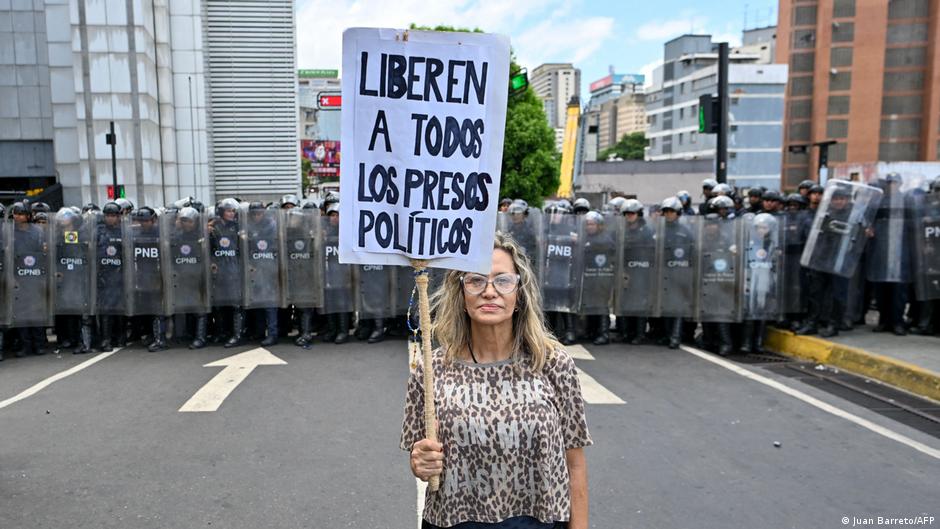
Venezuela’s government has released 131 political prisoners following the initial round of national reconciliation talks with opposition leaders, marking a significant step in the country’s ongoing political dialogue. The release, announced on August 14, comes amid tentative agreements over judicial reforms aimed at stabilizing Venezuela's volatile political environment.
Details of the Release and Political Context
The government stated that those freed had previously been detained due to alleged or confirmed involvement in criminal activities, and were subsequently placed under alternative restrictions instead of continued incarceration. However, specifics regarding these alternative measures remain undisclosed.
“Not everyone has been freed, but all (political prisoners) deserve full freedom. We must continue relentlessly demanding this until every citizen is reunited with their family,” said Dinora Figuera, head of the opposition delegation involved in the talks.
The United States has characterized the release as an “important step toward national reconciliation.” US Secretary of State Marco Rubio highlighted that, since the start of the year, the total number of political prisoners freed in Venezuela has reached 1,046.
The first round of negotiations officially concluded on August 12, achieving agreements on key issues such as judicial reform. The talks are supported by Washington, which has exerted diplomatic pressure on Venezuela’s interim administration.
Prior to the dialogue, Venezuela’s acting president, Delcy Rodríguez, signed an amnesty law facilitating the release of several hundred political prisoners, part of broader initiatives to ease political tensions.
Financial Implications and Investor Relations Impact
These developments carry potential implications for Venezuela’s economic and financial landscape. Political instability has historically deterred foreign investment and complicated access to international financial markets. Progress in national reconciliation and judicial reform may enhance investor confidence by signaling a commitment to political stability and rule of law.
Investor relations specialists and financial analysts will be monitoring how these political advances translate into economic policy shifts or reforms affecting Venezuela’s fiscal management, sovereign debt conditions, and opportunities for international partnerships.
Continued dialogue and tangible improvements in governance are essential for restoring Venezuela’s position in global financial markets and improving its creditworthiness, which remains strained due to years of political and economic turmoil.