Central Bank Maintains Key Interest Rate at 14% Amid Inflation and External Risks
Despite easing inflation, the Central Bank keeps the key rate steady due to rising food prices and external economic pressures.
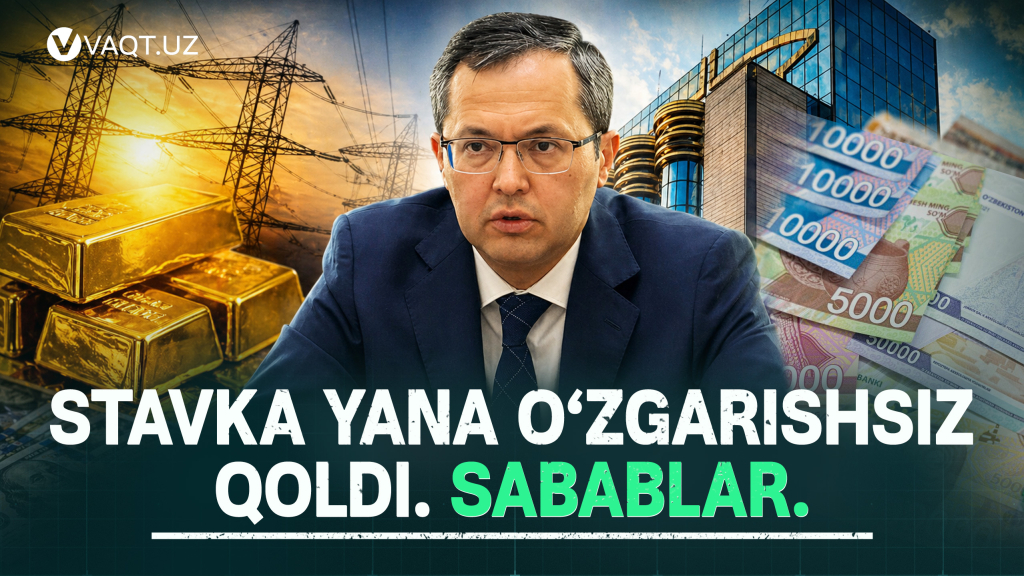
On April 29, the Central Bank's board decided to keep the key interest rate at an annual rate of 14%, reflecting a cautious approach amidst ongoing economic challenges. This decision was influenced by the current economic environment, inflation trends, and external risk factors that continue to impact the country’s financial stability.
Inflation Trends and Economic Indicators
The regulator reported a downward trend in overall inflation, with the annual inflation rate standing at 7.1% in March 2024. Inflation expectations have also decreased, signaling a positive shift in the economy. However, the persistent rapid increase in food prices remains a significant concern. Prices of essential consumer goods continue to rise above the inflation rate, which complicates the Central Bank's ability to lower the interest rate.
"Although inflation is gradually declining, the process has slowed, and in some segments, inflation pressures are not easing," stated Central Bank Chairman Temur Ishmetov.
Energy tariffs and utility costs are also critical components factored into inflation calculations. A tariff indexation of up to 10% announced earlier this year was included in forecasts, although exact figures have yet to be confirmed.
External Pressures and Domestic Growth
External economic factors add further complexity to the Central Bank’s policy decisions. The International Monetary Fund has downgraded global growth forecasts and highlighted persistent inflation risks, especially volatility in energy and food prices. Such changes have direct implications for the domestic market.
On the domestic front, Uzbekistan's economy grew by 8.7% in the first quarter of 2024, surpassing predictions. This growth strengthens internal demand and could increase inflationary pressures, which the Central Bank has taken into account in their monetary policy decisions.
Monetary Policy and Financial Sector Developments
Meanwhile, the privatization of state-owned banks continues, including Industrial Construction Bank, Aloqabank, and Asakabank. While the Central Bank does not directly participate in privatization, it remains involved in evaluation and analysis efforts.
The regulator maintains a strict stance on exchange rate policy, keeping the currency on a free-floating regime without artificial interventions. This approach underscores the Central Bank’s commitment to market-driven currency valuation.
Looking ahead, the Central Bank indicated that future adjustments to the interest rate will depend heavily on the dynamics of inflation and associated risks. A decrease in inflationary pressures could lead to rate cuts, whereas persistent inflation may necessitate a tightening of monetary policy.