Drone Attacks on Dnipro Result in Injuries and Property Damage Amid Ongoing Conflict
Seven people, including two children, were wounded in recent drone strikes on Dnipro, causing fires and infrastructure damage.
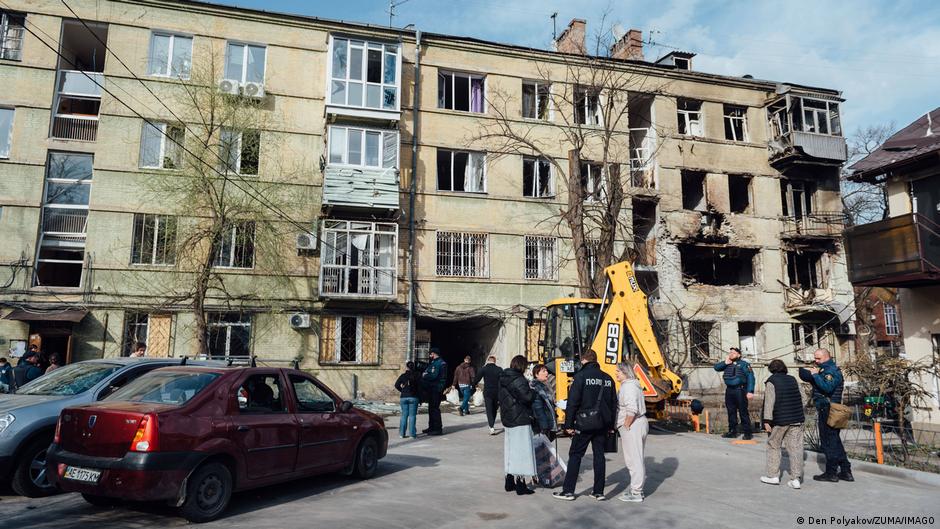
In the early hours of April 23, multiple drone strikes targeted various districts of Dnipro, injuring seven people and damaging residential properties, local officials reported. The strikes caused fires in several apartments and affected commercial and private vehicles.
Details of the Attack and Impact on Civilians
According to the head of the Dnipropetrovsk Regional Military Administration, Alexander Ganja, the attacks involved Russian unmanned aerial vehicles targeting a high-rise residential building. Fires broke out on the fourth and fifth floors, as visible in footage shared by regional authorities. Additionally, a store and a car in the vicinity were set ablaze.
"Two girls, aged 9 and 14, were among the wounded and have been hospitalized. Three adults, including two elderly women aged 62 and 68, were also admitted with moderate injuries," Ganja stated.
One other male victim, aged 35, received medical attention but did not require hospitalization. The incident adds to the series of attacks on Dnipro, with prior assaults on April 21 and April 22 causing injuries and property damage to residential buildings and vehicles.
Broader Context and Previous Attacks
The April 23 attack follows an intensified wave of strikes on Dnipro on April 16, which involved both drones and ballistic missiles. That assault resulted in four fatalities and 34 injuries, alongside significant damage to homes, garages, vehicles, and an educational institution.
The repeated targeting of urban infrastructure raises concerns over civilian safety and the resilience of local services amid the ongoing conflict. For investors and stakeholders, these events highlight potential risks to regional stability and economic activity, especially in sectors reliant on infrastructure and residential security.
Monitoring the frequency and impact of such attacks remains critical for assessing geopolitical risks that could affect market confidence and investment in the region.