Phishing Attack Compromises Bundestag Chair Julia Klöckner’s Signal Account, Raising Security Concerns
Julia Klöckner’s Signal account was hacked in a phishing operation impacting CDU leadership communications, exposing vulnerabilities in political cybersecurity.
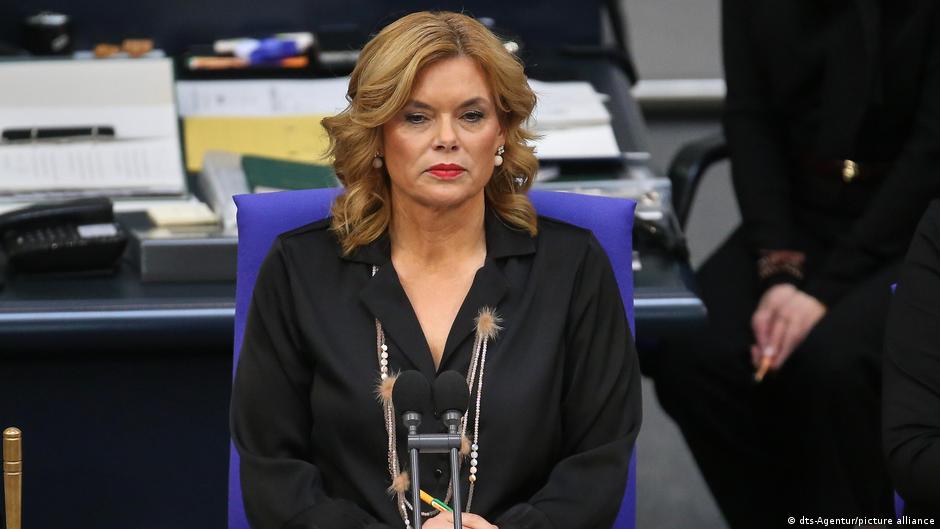
In a significant cybersecurity breach, the Signal messaging account of Julia Klöckner, Chair of the Bundestag and Vice-Chair of the Christian Democratic Union (CDU), was compromised through a phishing attack that has been targeting the platform for several months. This incident has raised alarms regarding the integrity of communications within Germany's political leadership.
Impact on CDU Leadership Communications
According to investigative reports, Klöckner’s account, which she used alongside other senior CDU figures including Chancellor Friedrich Merz in a presidium group chat, was accessed by unauthorized parties. The breach potentially exposed sensitive communications among party leadership, prompting the CDU to confirm that the incident affected the group chat utilized by key officials.
"It should be assumed that perpetrators are currently covertly harvesting data from multiple groups within the Bundestag through the Signal application," stated a confidential document circulated among parliamentary leaders.
The Federal Office for the Protection of the Constitution (BfV) promptly informed Chancellor Merz about the breach and conducted a security check on his device, which showed no signs of compromise. Meanwhile, Klöckner’s representatives neither confirmed nor denied the hack, citing security protocols around critical infrastructure information.
Wider Context and Security Implications
The BfV has been monitoring a continuing wave of phishing attacks aimed at high-ranking political figures, military personnel, diplomats, and investigative journalists. A recent 20-page briefing distributed to party leaders and parliamentary faction heads detailed the growing risk and prevalence of such cyber intrusions.
Sources report that over 300 individuals in Germany have fallen victim to these hacking attempts, suggesting a widespread and persistent threat that extends beyond individual targets to institutional security. The attacks are reportedly linked to Russian hacker groups, reflecting ongoing geopolitical cyber tensions.
Financially, such breaches could undermine investor confidence in the stability and governance of institutions, potentially affecting market perceptions related to German political risk. For political parties and government bodies, these incidents underscore the necessity of robust cybersecurity investments and transparent communication strategies to mitigate risks to sensitive information.
As digital communication becomes increasingly central to political operations, the incident involving Klöckner highlights vulnerabilities that threaten both personal data and broader governmental functions. Ensuring the integrity of these channels is critical for maintaining public trust and safeguarding democratic processes.