European Leaders Support US-Iran Agreement, Emphasize No Nuclear Weapons and Economic Stability
France, Germany, UK, and Italy view the US-Iran deal as a step toward peace and regional stability, stressing urgent implementation and nuclear non-proliferation.
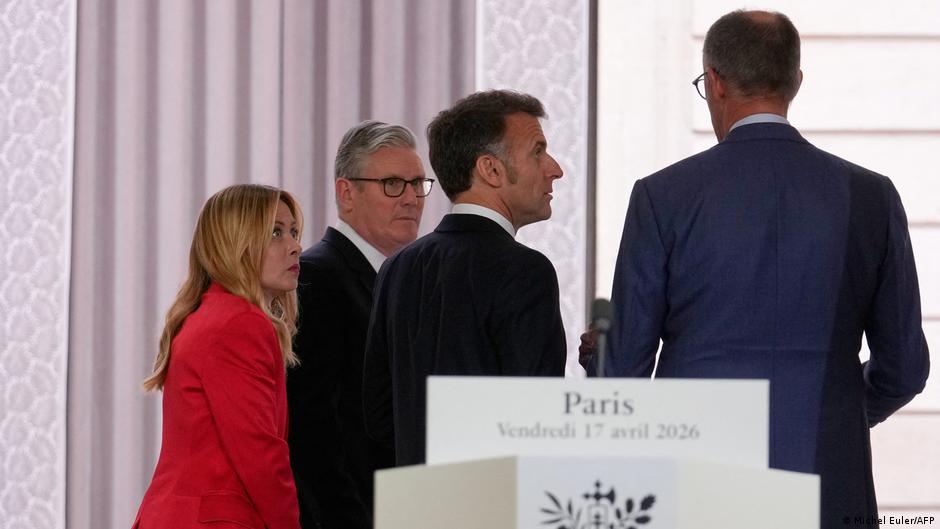
Leaders of France, Germany, the United Kingdom, and Italy have welcomed the upcoming signing of a peace agreement between the United States and Iran scheduled for June 19, viewing it as a pivotal moment toward ending conflict and promoting regional and global economic stability.
In a joint statement released on June 15, the heads of state and government from these four European nations hailed the diplomatic breakthrough but underscored the critical importance of swift and comprehensive implementation of the agreement. They identified the restoration of freedom of navigation in the strategically vital Strait of Hormuz as a priority measure for stabilizing global fuel markets.
Focus on Economic Stability and Security in Global Energy Markets
"The planned agreement opens opportunities for restoring regional stability and stabilizing the global economy," the joint declaration noted, highlighting the intention of European leaders to support efforts—including active participation in mine clearance operations in the Strait of Hormuz—to ensure uninterrupted maritime traffic in this key transport artery.
"Iran must never be allowed to obtain nuclear weapons under any circumstances. We are prepared to work with the US, Iran, and the IAEA to achieve this goal," the leaders stated.
UK Prime Minister Keir Starmer issued a separate statement emphasizing the need for unimpeded navigation in the Strait of Hormuz "without any fees or restrictions," framing this as essential to mitigating the broader economic fallout from the ongoing US-Israel conflict with Iran.
French President Emmanuel Macron also expressed cautious optimism but reiterated concerns regarding Iran’s nuclear and ballistic missile programs. Starmer took an unequivocal stance on nuclear non-proliferation, aligning with the joint European position that Iran must be prevented from developing nuclear weapons.
Investor Considerations and Economic Implications
For investors and market analysts, the US-Iran agreement signifies a potential de-escalation in Middle Eastern geopolitical risks that have been contributing to volatility in energy prices and supply chains. The commitment by leading European economies to expedite implementation and to support efforts that secure key maritime routes could stabilize oil supply lines, potentially easing price pressures that have impacted global markets.
Furthermore, the leaders’ readiness to consider sanction relief contingent upon verifiable Iranian compliance with nuclear commitments presents a framework for gradual normalization of economic relations, which may open new avenues for trade and investment in the region.
This diplomatic development is likely to be closely monitored by financial markets, with investors weighing the prospects of improved regional security against the persistent risks linked to Iran’s nuclear ambitions and geopolitical dynamics.